
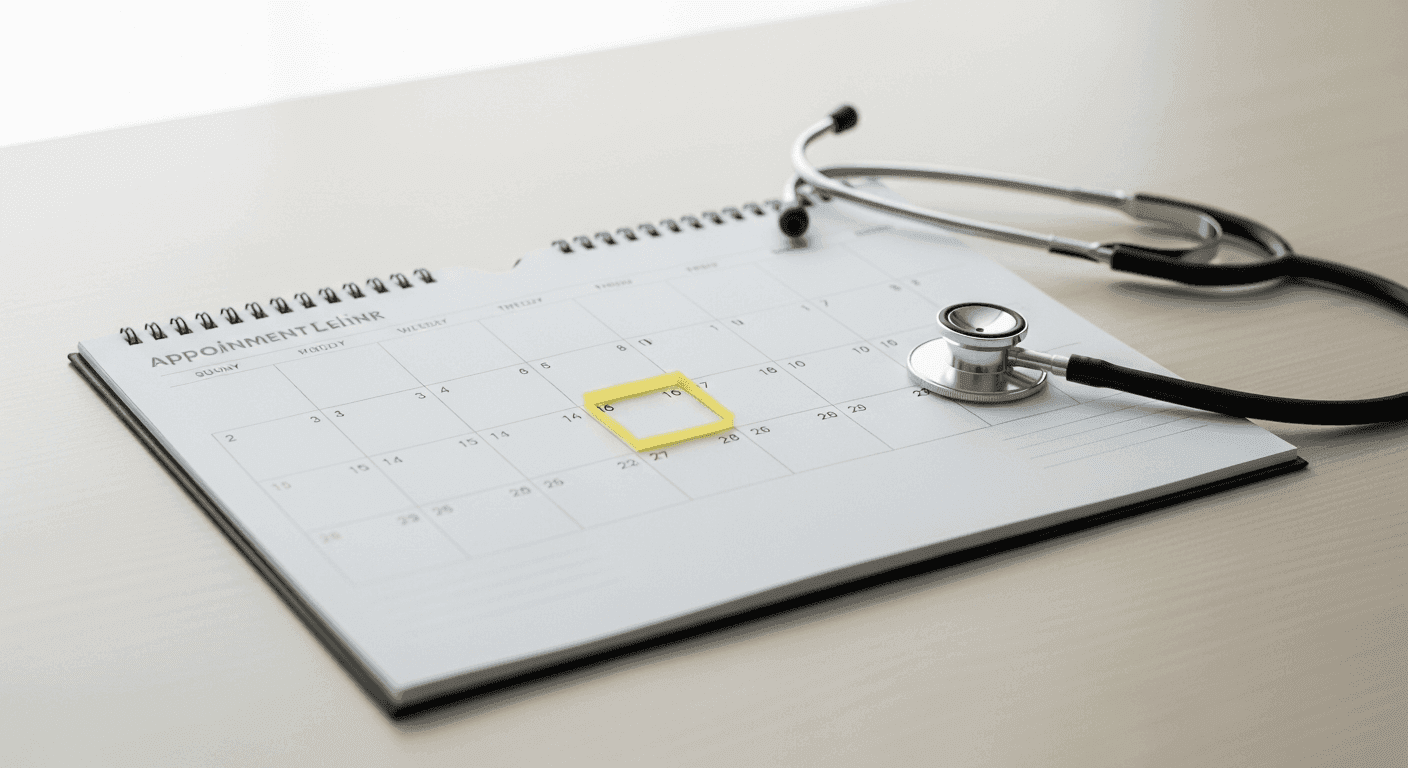
Diagnosis: empty slots are a triage problem—name the leak, fix intake, then automate backfill.
Nine times out of ten, a practice that cannot fill cancellations is not suffering from a missing SaaS logo. It is suffering from a phone tree that sends new patients to hold music, a waitlist that lives only in Brenda's notebook, and a website that still says "call for appointments" in the year our EHRs can text reminders but cannot answer on the first ring. Strategies to fill empty appointment slots start with that honest inventory—not a demo from another scheduling vendor.
If you want to prevent holes from opening in the first place, read how to reduce no-shows without more staff. This page is for the hole that already exists: the Thursday afternoon cancel, the no-show block, the template gap your scheduler swears was "buffer time" but behaves like paid vacation for your exam rooms.
Where empty slots actually come from
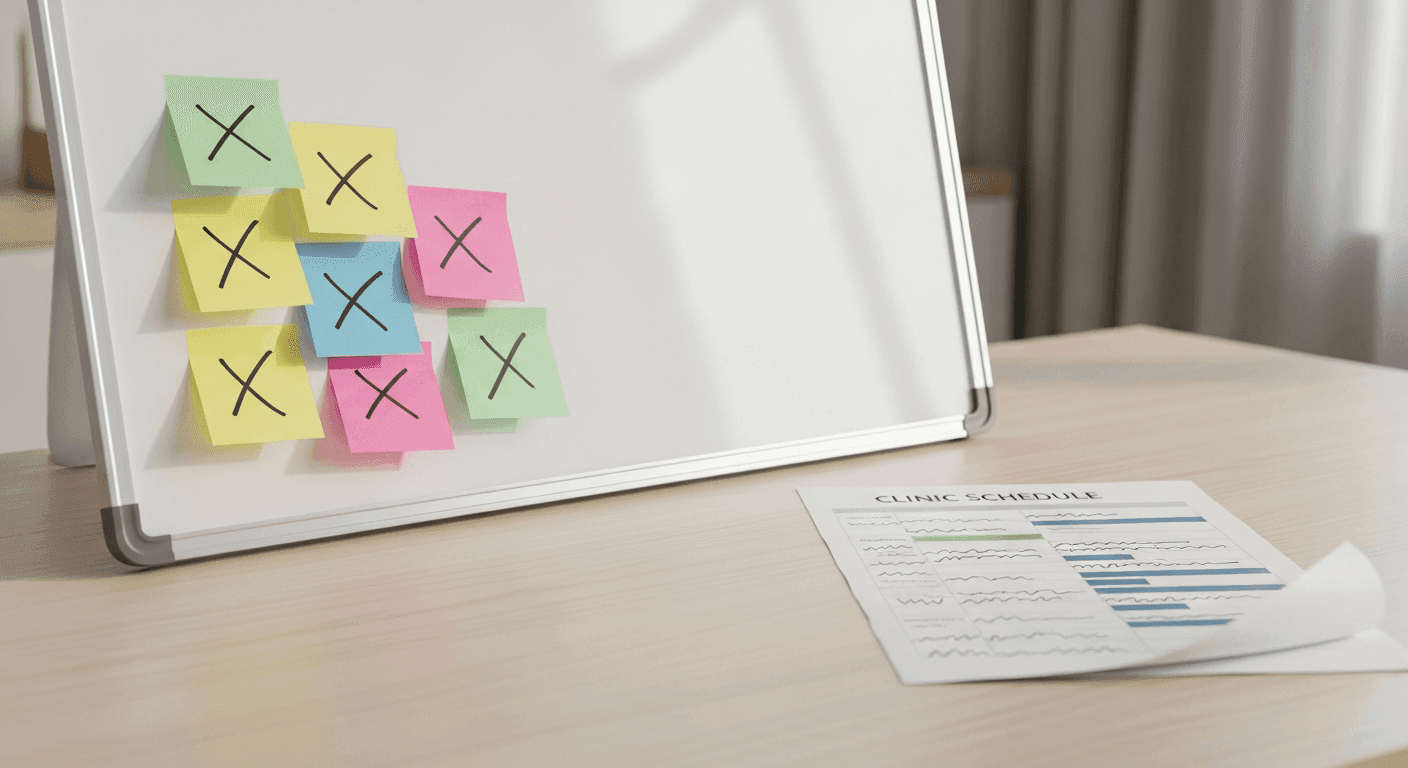
Treat the schedule like an ER board. Different chief complaints, different treatment orders. Late cancellations with enough notice to backfill behave differently from no-shows that open the slot ten minutes after the nurse already pulled the chart. Template gaps—every visit blocked at thirty minutes when half your follow-ups need fifteen—create empty chairs without anyone canceling. Panel churn and seasonal dips leave recurring holes on the same weekday until someone admits the template is wrong, not the patients.
Monday morning, late 2023, a multi-location ortho practice called in a panic. Their online intake form had broken over the weekend. High-value consults were bouncing. Our dev team rebuilt the API handoff to the EHR in under two hours. The lesson was not heroic coding. The lesson was that digital intake is part of scheduling circulation—when it clots, slots die upstream before anyone talks about a waitlist.
Write down last week's empty slots by category: cancel with notice, no-show, template mismatch, provider running long and skipping the last block. If most holes are no-shows, backfill alone is ambulance-at-the-bottom. Fix confirmation and reschedule paths first. If most holes are late cancels with nobody on a waitlist, you have an ops problem, not a marketing problem.
Intake and phone tree before waitlist software
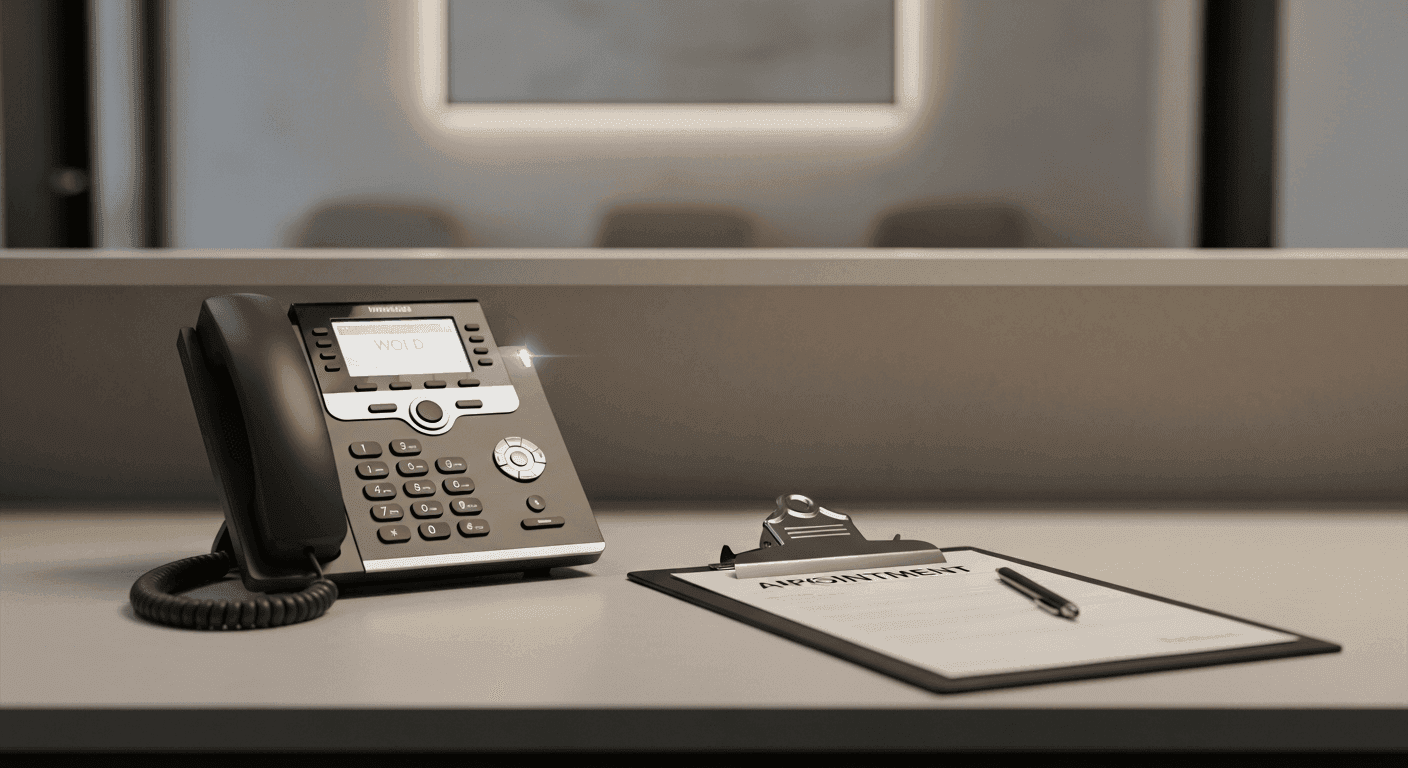
Marketing's job is to make the phone ring. If the front desk puts patients on hold until they book somewhere else, you are incinerating budget—including the budget you planned to spend on waitlist automation. Audit answer rate, average hold time, and who owns backfill calls when a slot opens. If the answer is "whoever is free," the answer is nobody.
Assign one role per shift: backfill owner. Not the same person running check-in, prior auth callbacks, and insurance voicemails from 2019. They work the waitlist queue, confirm claim responses, and update the EHR before the slot gets double-booked by accident. This is boring work. It is also the work vendors pretend their AI will do while your patients still hear three minutes of hold music and a jazz saxophone.
Phone tree hygiene matters. Press-one-for-appointments should not dump to a full voicemail box. Online reschedule links in reminder texts should actually work on mobile without seven clicks. For communication patterns that do not torch panel trust, see patient communication for family medicine—the specialty label changes; the intake physics do not.
Waitlist and same-day backfill workflows
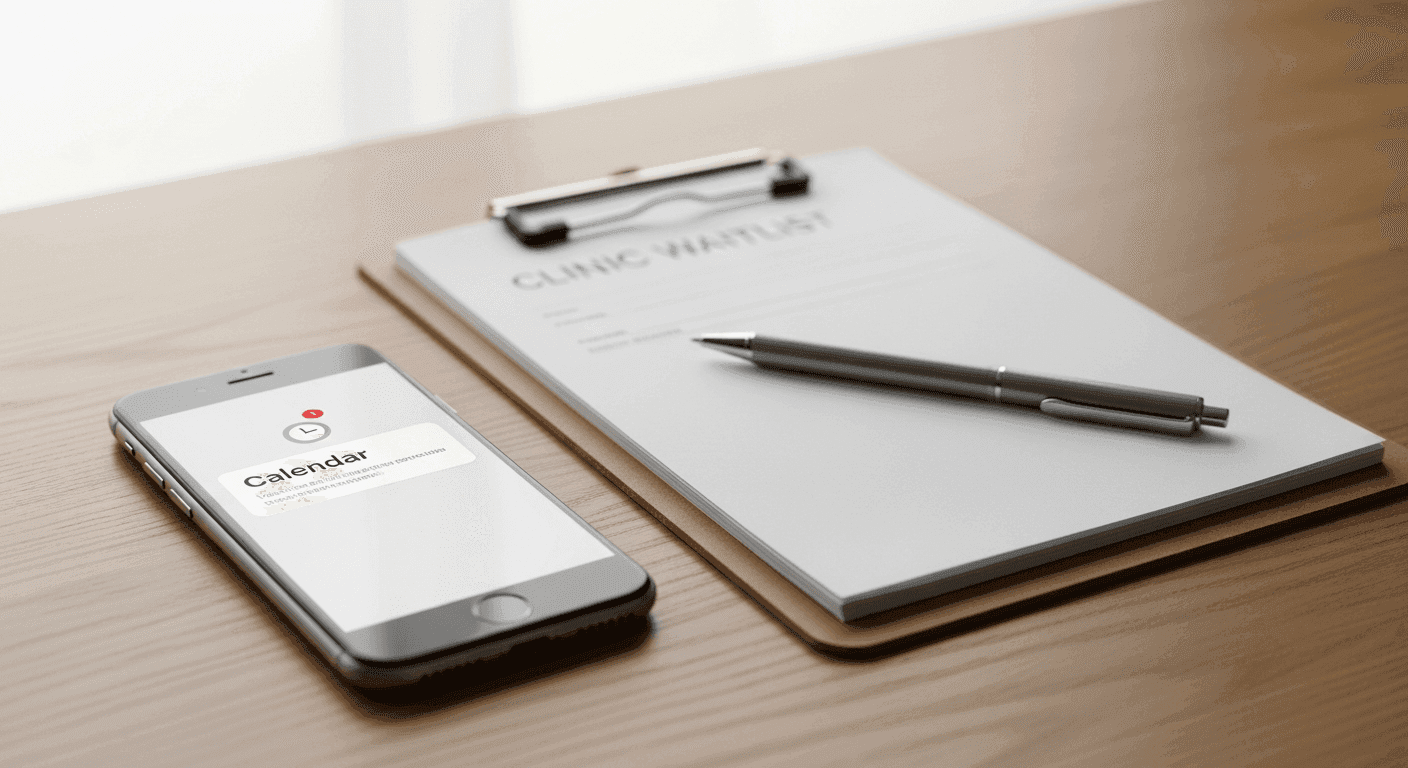
A waitlist is not a spreadsheet of maybes. It is a consent-based queue: visit type, provider preference, acceptable days, maximum travel radius for multi-site groups. When a slot opens, eligible patients get one clear message—SMS, portal push, or email—with a single claim action. First confirmed booking wins. Everyone else gets a closed-loop note so they are not still driving in for a slot that died twenty minutes ago.
Same-day backfill works when the pool is warm. Enroll patients at checkout when your next available new-patient slot is three weeks out: "Want an earlier visit if something opens?" Urgent cases get priority flags in the queue—not because the algorithm is clever, because your clinical lead defined what urgent means for your practice and documented it where staff can see it.
Throttle notifications. Alert fatigue turns a helpful text into spam. Let patients set quiet hours and visit-type filters. Tie reduce patient no-shows with automated SMS to confirmation, not to twelve follow-ups for the same open slot. The CDC patient engagement literature is clear that respectful, responsive communication beats blast volume—no spreadsheet required to believe that.
Recall and panel outreach without spam
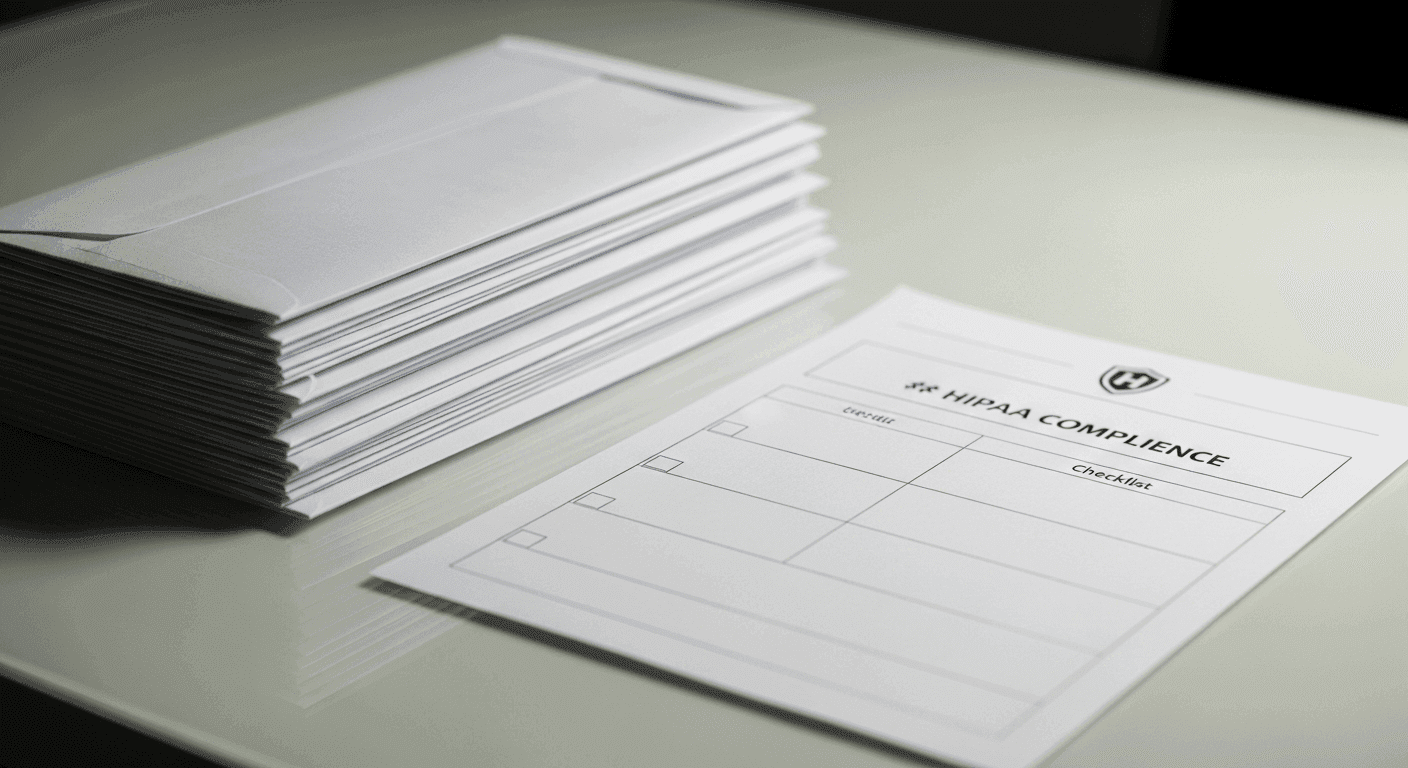
Recall is not a waitlist. Recall pulls overdue preventive care and chronic follow-ups back into the system. A HIPAA compliant patient recall system routes through vendors with BAAs, keeps PHI out of personal inboxes, and documents opt-out. It should not fire blasts to your entire panel because one dermatology slot opened on a Friday.
When the new-patient panel is full, recall and marketing blasts make empty slots worse—they train patients to ignore you. Triage capacity first. If surgeons are booked eight weeks out, your problem is not empty chairs; it is access narrative and wait-time messaging on the site and map listing. Retention work belongs in a different lane; see medical practice patient retention for the leak map when patients leave quietly instead of canceling.
For outreach content, use plain language and one action. Do not attach clinical detail in SMS. Do not DIY HIPAA on a personal phone. If your EHR recall module is a labyrinth, a focused vendor with a signed BAA beats a mail merge from front-desk Gmail. That is an opinion, not a product pitch—we do not sell recall software. We do sell you the embarrassment of fixing intake before you automate spam.
Owned booking paths and map traffic
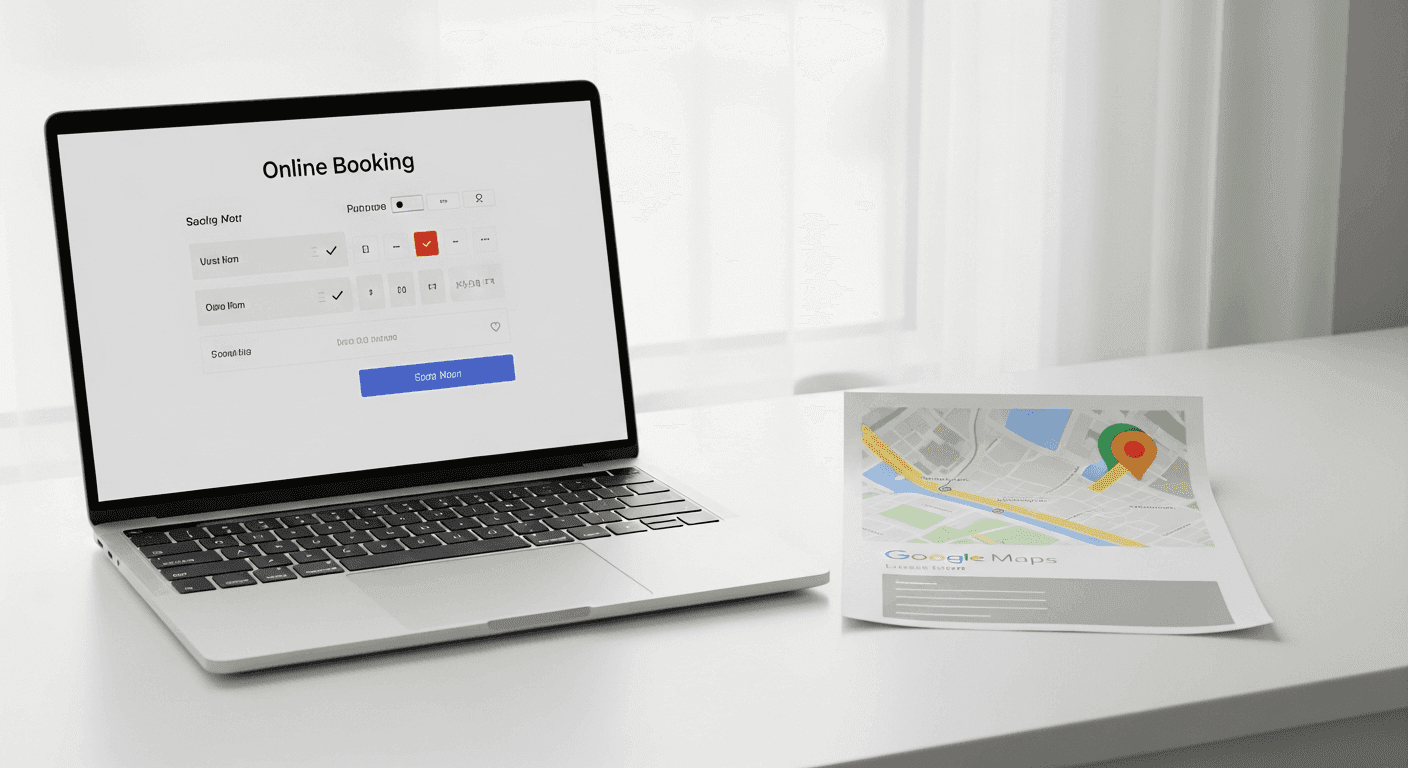
Map clicks still drive a huge share of new appointments for local practices. If your Google Business Profile sends patients to a desktop-only PDF phone tree, you are pouring demand into a colander. The listing, the site, and the EHR booking widget should agree on hours, location, and the same book button.
Owned online booking is how you fill short-notice openings without playing phone tag. Real-time availability—or honest next-available with waitlist enrollment—beats "request an appointment" forms that land in a inbox nobody monitors during lunch. Deep dives live in Google maps doctors and physician SEO: fix the pin, then fix the handoff.
Marketplace directories rent you patients and rent you the relationship. Building how to grow a medical practice online through owned search and booking is slower. It also survives when the directory raises fees or changes the algorithm. Backfill gets easier when patients already know your book link and trust it on mobile.
Scheduling templates that stop self-inflicted gaps
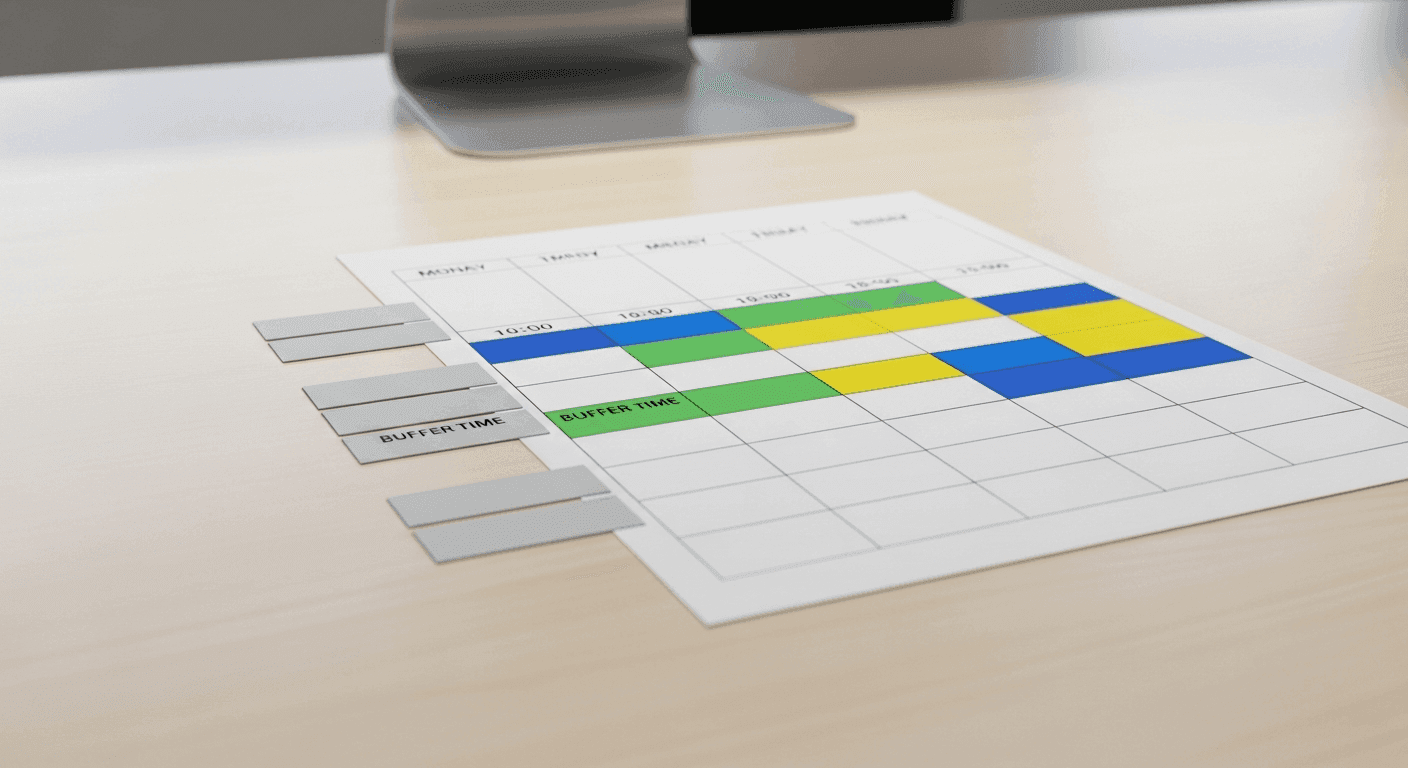
Templates are clinical operations, not clerical wallpaper. Mixing visit lengths—short follow-ups beside new-patient blocks—reduces fake empty time where the nurse stares at an open room while the physician runs long on a complex visit. Buffer blocks belong at predictable choke points: post-lunch procedure days, Monday infusion ramps, not randomly sprinkled because the scheduler likes symmetry.
Book the next visit before checkout when clinically appropriate. Patients who leave with a card and a vague "call us" are future empty slots. Double-booking as a no-show hedge is a specialty-specific gamble—fine when your no-show profile is known and staff can recover; chaos when everyone shows up on the same Tuesday.
Review the template monthly with front desk and one clinician voice. Idle recurring gaps on the same hour every Wednesday are data, not bad luck. The best patient scheduling and CRM software for solo practice still loses to a template designed for how your visits actually run. Software amplifies discipline; it does not invent it.
When not to hire us yet
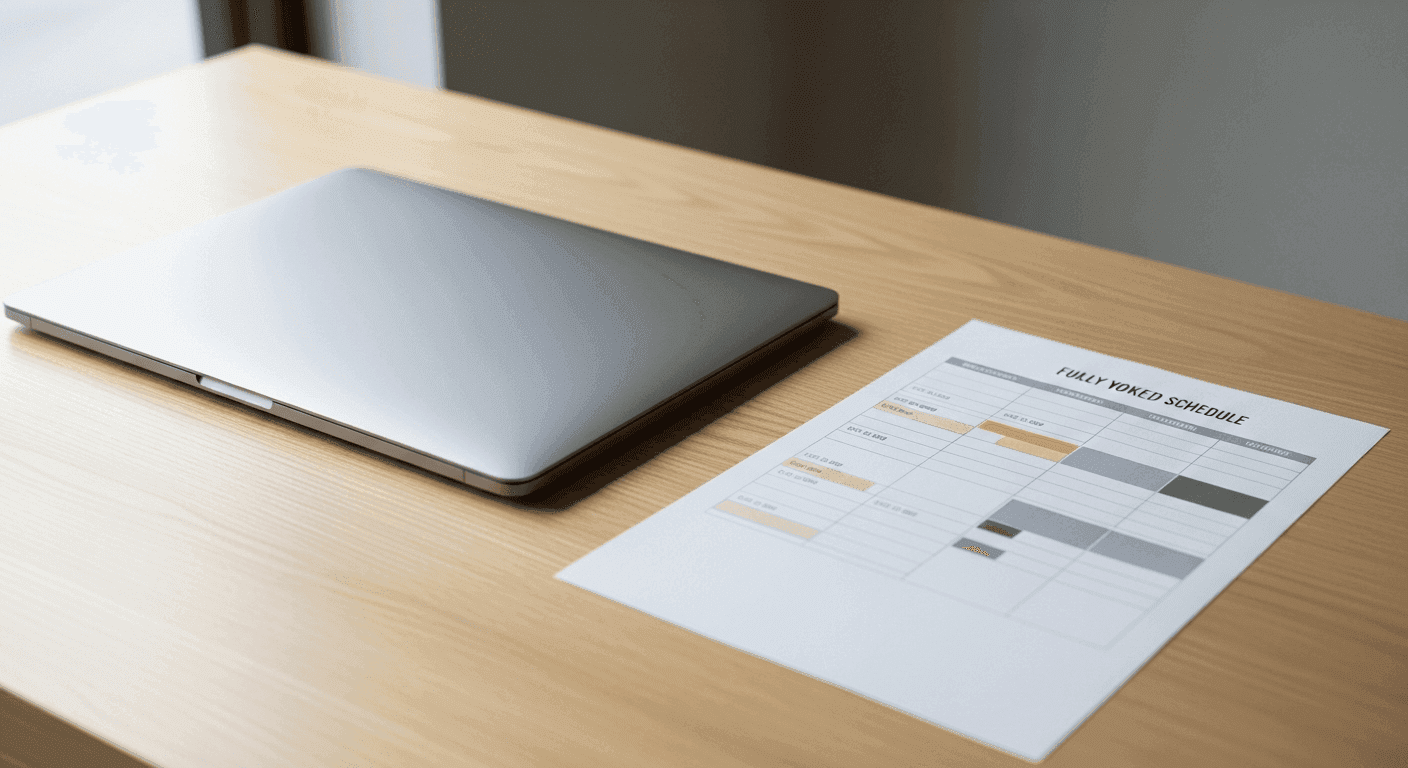
Do not hire us—or anyone—if the schedule is already full and honest, if nobody answers the phone, if you have no waitlist pool, or if you have not classified whether holes are cancels, no-shows, or template mistakes. Buying marketing to fill slots you cannot service is how patients learn to distrust your brand.
We talk practices out of retainers when the fix is a postcard verification, a template edit, or telling the surgeon to block consult time instead of running a billboard campaign. Vanity dashboards do not pay malpractice insurance. Booked visits through a working intake path do.
When leaks are named, intake can answer, the waitlist has names on it, and owned booking still bleeds map traffic, read how it works or book a discovery call on pricing.
Straight answers
What is the fastest way to fill a canceled appointment slot?
Same-day waitlist with SMS or portal claim. Match visit type, notify opted-in patients, close the loop when filled.
How does a medical practice waitlist work?
Patients enroll with preferences. When a slot opens, eligible people get one claim message; first confirmation wins.
Should recall campaigns or a waitlist come first?
Intake first. Waitlist for short-notice backfill. Recall for overdue care—not blasts when the panel is full.
How is filling empty slots different from reducing no-shows?
No-show work prevents the hole. Backfill fills it after cancel or no-show. Most practices need both workflows.
Does online booking help fill last-minute openings?
Yes with real-time or honest next-available sync. Brochure contact forms do not backfill a same-day cancel.
When is scheduling software not the problem?
When phones go unanswered, templates create gaps, or marketing floods a full panel. Fix circulation before buying plumbing.
When should we hire help for appointment fill workflows?
When leaks are classified, intake works, the waitlist has depth, and owned digital paths still leak—but nobody can maintain them in-house.
Integrated scheduling guidance from ONC care coordination basics still applies: fewer silos between booking, EHR, and patient communication mean fewer orphaned slots.
Empty chairs are a charting problem for your operations team, not a reason to buy snake oil. Go finish your charting. When the waitlist is real and the map still sends patients into a broken book button, we will say so out loud.