

Diagnosis: retention fails in the gaps between map, mobile booking, and how the desk answers when the day is already full.
New patient guides get the glory. Retention is the chronic condition you manage in the background while refill lines, prior auths, and the EHR spin wheel compete for your attention. The algorithm still watches whether patients can find the right door, tap reschedule without rage-quitting, and read a star rating that matches what they feel in the exam room.
If you need the acquisition angle first, read how to get more patients for my practice. This page stays in the lane of patients you already earned and want to keep.
Map and profile still shape return visits
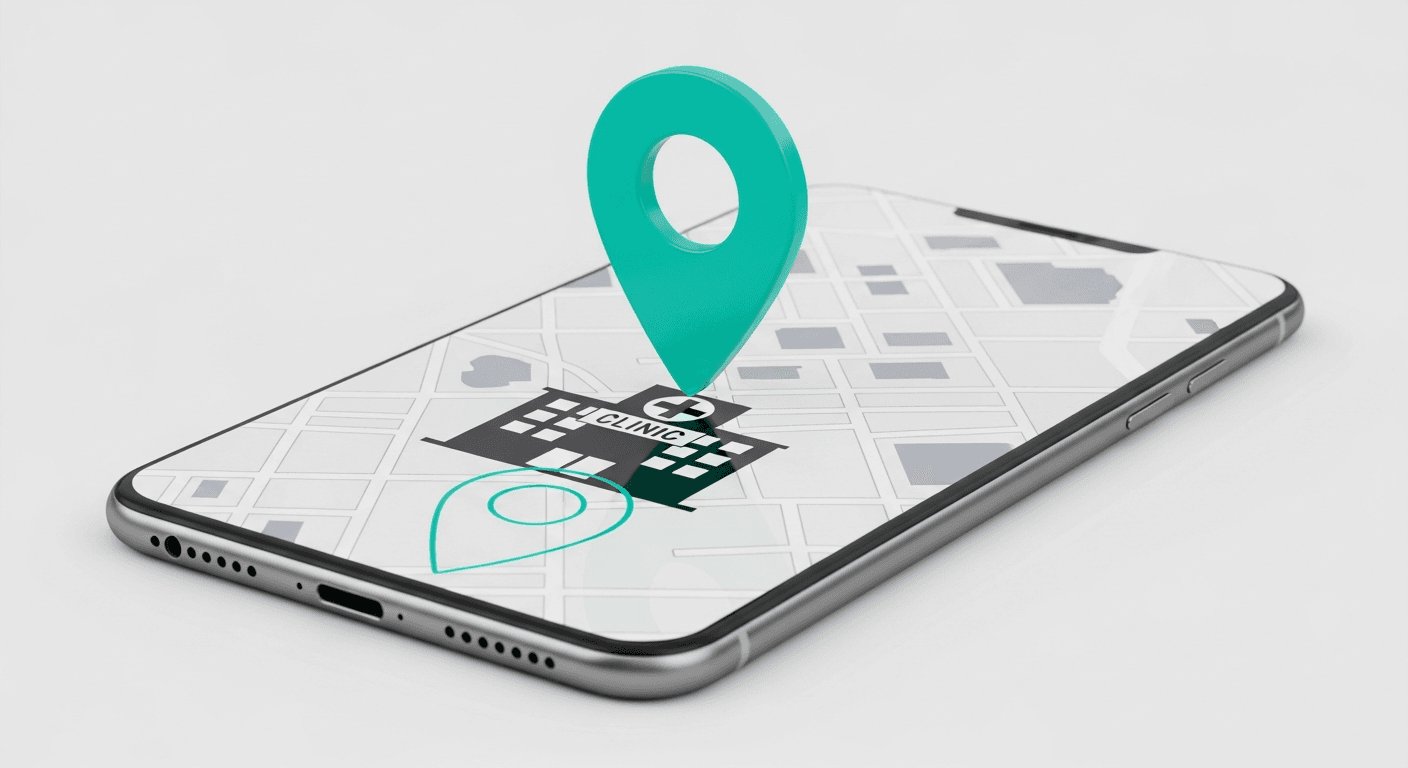
Established patients still sanity-check hours, closures, and parking from the map card. When a duplicate profile lists the old suite or a departed partner, you get the same chaos as two conflicting problem lists in the chart. Clean merges and consistent name-address-phone data are not vanity. They are how people trust they are calling the right fax ghost from 2014.
For the full map-pack playbook, see local SEO doctors. Google publishes structured data patterns for FAQs if you want machine-readable answers alongside human copy on your own site: FAQ structured data.
Owned scheduling, SMS, and contact data
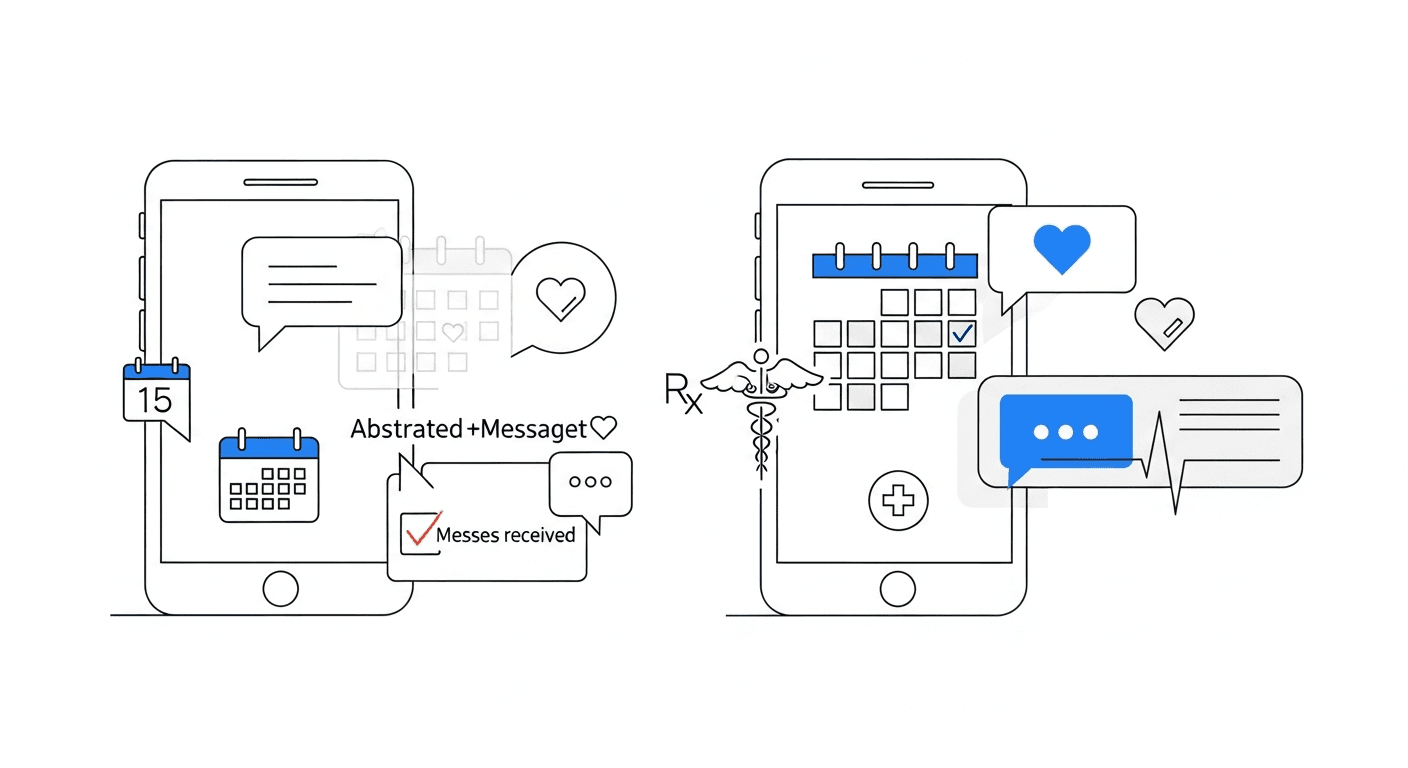
Portals that lock messaging inside a vendor feed are convenient until they are not. Owned scheduling with clear opt-in paths keeps recall campaigns on rails you control. When PHI touches messaging, stay inside configurations your compliance officer can defend. HHS maintains the privacy rule hub for a reason: HIPAA privacy resources for professionals.
Monday morning, late 2023, a multi-location ortho clinic called in a panic because their online intake form had broken over the weekend. Our dev team was on it in 15 minutes, rebuilt the API connection to their EHR, and had patient flow restored in under two hours. Retention is not only sentiment. It is whether the digital front door opens when someone tries to book follow-up before school pickup.
No-shows, recalls, and front-desk triage

Marketing can fill the schedule. It cannot apologize for a desk that parks callers on hold until they hang up and text someone else. Audit the front desk the way you would audit a triage nurse during flu season: who answers, how fast, what gets escalated when every slot is full.
For reminder workflows without adding headcount, pair this section with reduce no-shows without more staff. We have run this playbook since 2016 across 412 clinics with a 92% client retention rate because we treat the desk as part of the funnel, not an afterthought.
Reviews below four stars and the chairside leak

Let us look at the math. When a Google rating drifts under 4.0 stars, online conversion rates can fall by up to 60%. Loyalty does not survive a mismatch between bedside manner and what the public read on the map card. Fix the chairside and phone experience before you fund another reputation widget.
For how stars shape new decisions, read how online reviews affect patient choice. The same signals quietly nudge established patients who are shopping again after one bad visit.
Site speed and the digital waiting room plaque
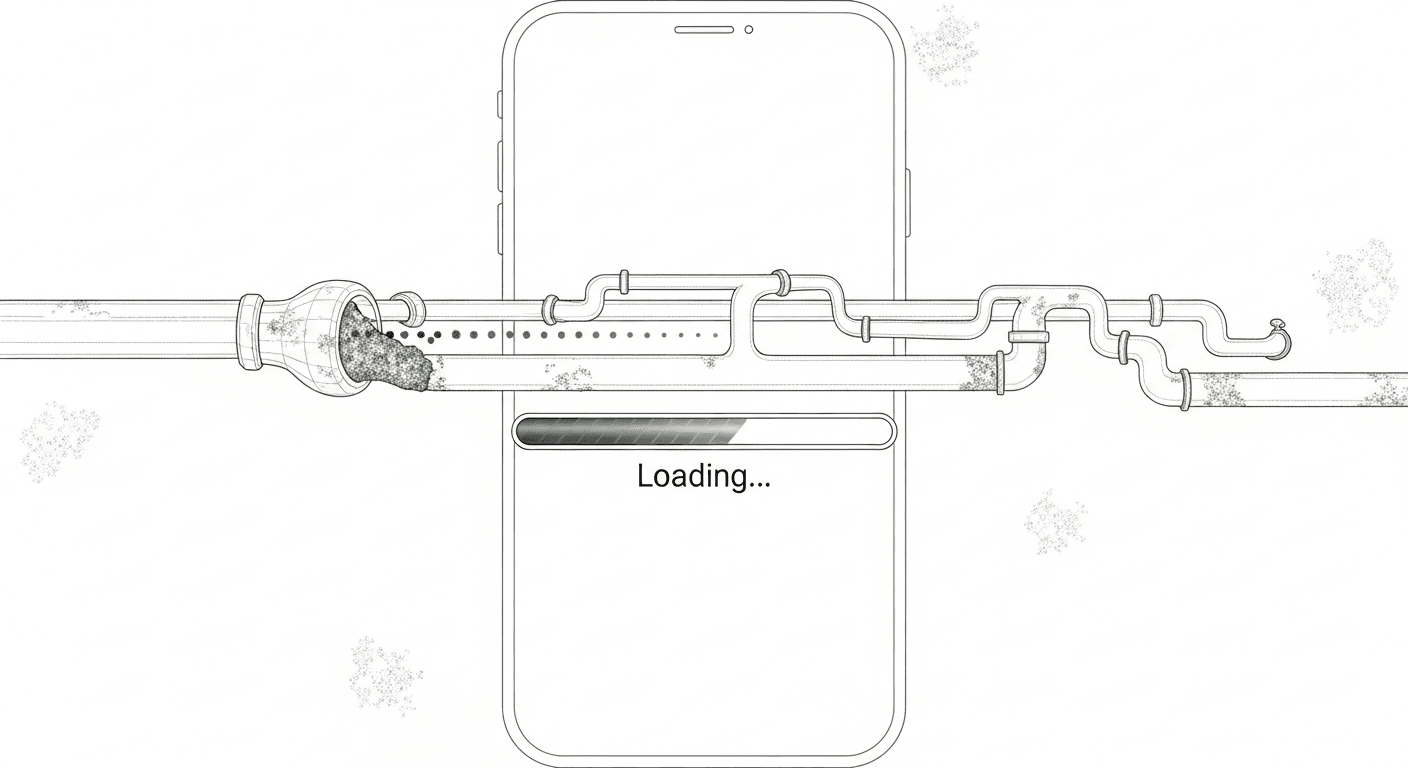
Nine out of ten slow clinic sites accumulate digital plaque: widgets, hero photos, chat snippets that each feel harmless until the pipe narrows. A slow website loading in over three seconds causes a 40% bounce rate. That is four in ten people walking out before they reschedule labs.
Google and the broader web community publish Core Web Vitals guidance if your developer wants a checklist instead of vibes: web.dev on Core Web Vitals. If the site is more than five years old and is not reliably mobile-friendly, rebuild before you pour budget into SEO. That is the rule we repeat on purpose.
When not to hire a retainer for retention yet

If the Google Business Profile is still unverified, duplicated, or missing core services, keep the retainer in your pocket. Paid help rarely fixes a map layer that argues with itself. Same story if ad spend is bundled into a single opaque monthly invoice. Pay platforms directly and pay the agency for work you can audit line by line.
We target a 14-day window from kickoff to go live on technical fixes and onboarding work when you are ready. Until then, walk the free triage yourself. If you want the sequence we run on calls, read how it works. We have talked ourselves out of retainers when the fix was a postcard code or a merge request, and we will do it again.
Straight answers

What does medical practice patient retention mean in practical terms?
It is the work of making repeat care, recalls, and follow-up visits easier than switching clinics: correct map and profile data, a fast mobile booking path, respectful reminders, and operations that keep ratings from slipping.
Do Google Maps and Business Profile still matter for patients who already know us?
Yes. Return patients still confirm hours, parking, and phone numbers from the map card. Duplicate or outdated listings behave like conflicting orders in the chart: nobody knows which line is true.
How does site speed connect to retention?
A site that loads in over three seconds can push roughly a 40% bounce rate, so rescheduling and portal tasks feel like waiting on hold in a digital waiting room.
Should ad spend be bundled into my agency monthly fee?
No. Ad spend should be paid directly to Google or Meta. The agency fee should cover strategy, build, and management so you can see true cost without hidden markup.
What should we fix before paying a marketing retainer for retention?
Merge ghost listings, align name-address-phone data, test the two-tap reschedule flow on a five-year-old phone, and audit how the front desk answers when the schedule is full. Marketing cannot retain patients who bounce on load or bail after ten rings.
How do reviews affect retention, not just new patient volume?
When a Google rating drifts under 4.0 stars, online conversion rates can fall by up to 60%, and existing patients quietly start shopping the map again. Reviews are a vitals panel for loyalty, not only acquisition.
Are automated SMS reminders enough to cut no-shows?
They help when paired with clear opt-in, two-way confirmation, and front-desk habits that do not treat reminders as spam. Scripts alone do not fix a schedule that punishes punctual patients.
When should a solo doctor not hire Patients Finder for retention yet?
If the Google profile is unverified, duplicated, or missing core hours, fix that free layer first. If the website is more than five years old and is not reliably mobile-friendly, rebuild before you fund SEO or ads.
Retention is boring medicine done well: fewer wrong doors, fewer slow taps, fewer silent departures. Book a discovery call when the free triage is done and you want help shipping it without brochure voice. Go finish your charting. We will argue with the map pins.