

Diagnosis: treat demand like triage — stabilize map and mobile first, then scale traffic.
This guide folds in the acquisition cluster you would type at 11 p.m. after a long clinic day: grow medical practice online, medical practice marketing strategies, how to attract new patients, patient acquisition strategies, new patient growth for doctors, and how to increase patient volume. Retention has its own spoke so we do not pretend two diagnoses are one URL: medical practice patient retention.
For map-layer depth, read local SEO doctors. For the 90-day volume lens, pair it with increase patient volume with owned digital presence.
Map intent before brochures: where empty slots actually start

Most new patient questions do not begin on your About page. They begin in a rectangle with driving directions and a star rating. If you are invisible there, the rest of your marketing stack is doing CPR on the wrong patient.
Older practices often carry messy digital roots: a partner leaves, the suite moves, and now two profiles argue about the fax line. The map layer splits authority the same way duplicate charting splits the chart. Merge duplicates, align data, then let new traffic land on one coherent story.
Google documents verification and profile basics in the Business Profile Help Center. Read it before you sign anything that smells like toner and fear.
Google profile and ghost listings: free work that still moves the needle

Claim your Google Business Profile before you fund a heavy retainer. It can drive roughly half of local patient traffic when it is accurate, and the price is time, not a line item on your card.
Pick the primary category that matches how you bill, not how the plaque in the lobby reads. Fill services in the words patients type. Post hours your front desk can defend. Holiday closures are a trust signal, not a marketing flex.
Site speed and booking path: do not SEO a leaking bucket

Let us look at the math. A slow site — loading in over three seconds — can push roughly a 40% bounce rate. That is four out of ten people leaving your digital waiting room while hold music plays on your real phone tree.
If the site is five-plus years old and mobile is shaky, rebuild before you pour budget into traffic you will lose on the first tap. That rule exists because we have watched clinics try to polish a Bush-era engine with premium fuel.
For a field checklist, use the 2026 doctor website checklist for solo providers.
Reviews and front-desk triage: stars plus a human who answers
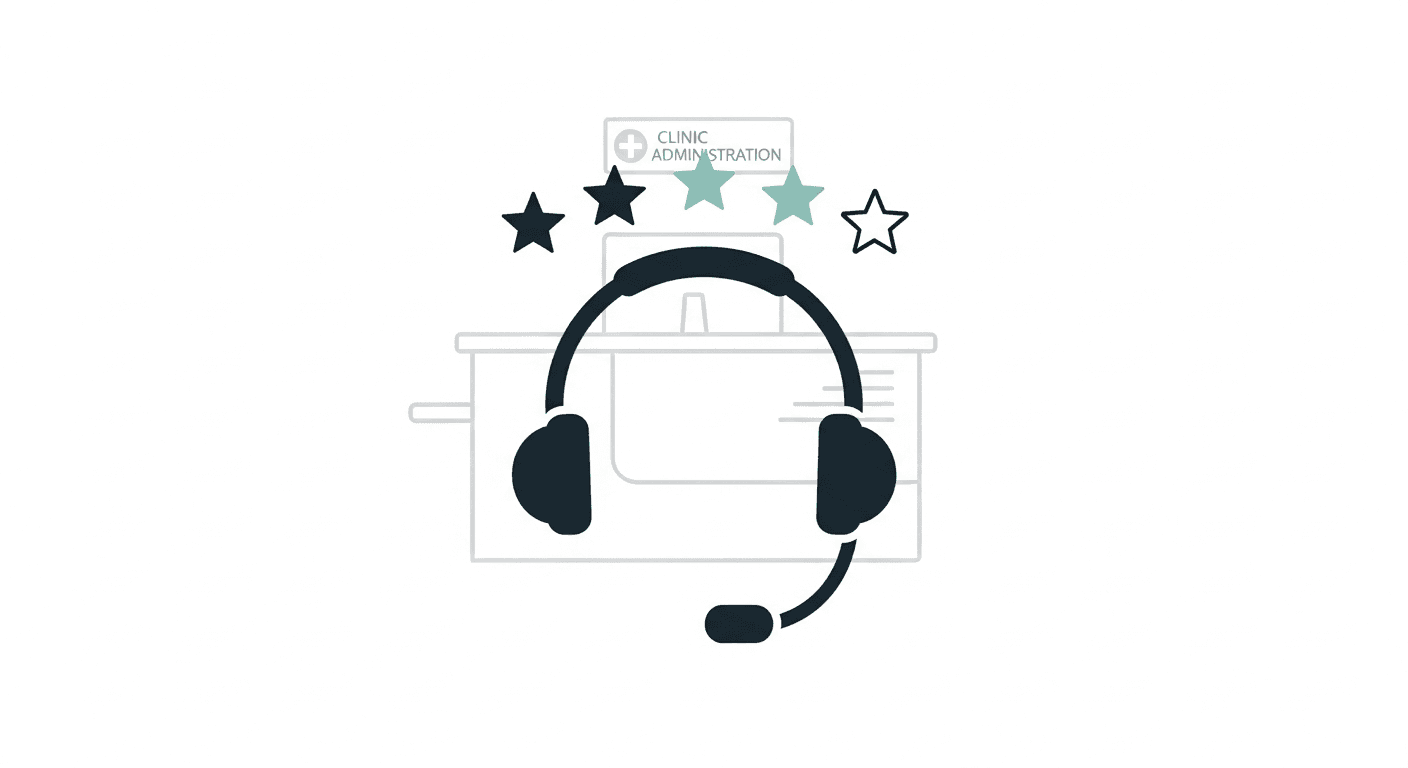
Stars are not vanity. They are triage for strangers. When ratings drift under 4.0 stars, online conversion can crater by up to 60%. Fix the chairside experience and the phone answer before you buy more clicks.
Nine times out of ten, thin reviews are not a morality play. Nobody asked. A polite text after a good visit beats a reputation circus. Tie the psychology to our how online reviews affect patient choice write-up if you want receipts.
Hybrid ads and SEO: rent versus equity, with real CPAs
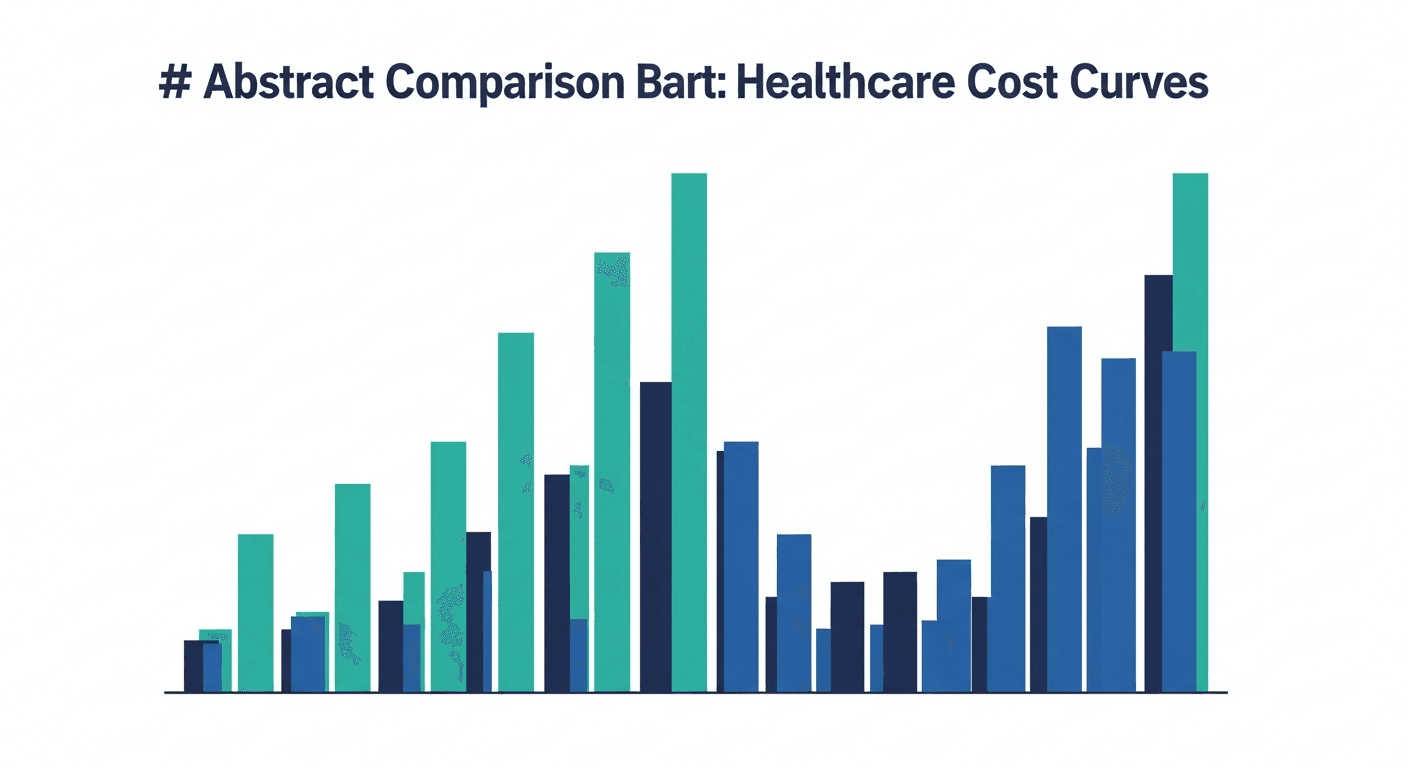
Paid search is rent. SEO behaves more like equity over time. On a twelve-month horizon, implant-focused ads often sit around $150–$300 cost per acquisition while mature SEO can drag blended CPA toward about $35. That is not a sermon on virtue. It is budget triage.
A clinic stuck on page two of local results captures less than 1% of that search demand. Ads can buy placement while you fix the foundation, which is why we like a hybrid — as long as ad spend is paid directly to Google and the agency fee stays separate. Bundling the two is how budgets disappear without a receipt.
For the sovereignty angle on owned channels, read medical practice sovereignty and owned patient acquisition.
When we want you to keep the credit card in your coat pocket

If you have not claimed the profile, merged obvious duplicates, or looked at mobile load time, do that before you send a wire. We have run 412 clinics with a 92% retention rate because we say no to theater.
If an agency still wants a 12-month ironclad retainer before the map layer is coherent, treat that the same way you would a consult request with no vitals attached — polite decline, then fix what is measurable.
Read how it works before you book time on pricing.
Straight answers

How to get more patients for my practice without buying ads first?
Fix map intent first: profile, duplicates, citations, and obvious site speed. That sequence costs sweat equity, not ad dollars.
How long until marketing shows clearer direction after kickoff?
We aim for a 14-day go-live window from kickoff for technical onboarding, then read compounding lift over the next quarters.
Should ad spend be bundled into an agency monthly fee?
No. Pay Google or Meta directly for ads. Pay the agency for strategy and execution.
Do online reviews really change bookings?
Yes. Under 4.0 stars can cost up to 60% conversion loss online. Fix operations, then scale traffic.
Is a slow website enough to kill volume?
Three-second loads can drive roughly 40% bounce. You are bleeding four in ten prospects before they book.
When should we rebuild the site instead of pushing more SEO?
If the site is five-plus years old and mobile is unreliable, rebuild first so SEO traffic lands somewhere fast.
What is a ghost listing?
An old or duplicate map profile that splits authority and confuses callers.
When should a solo doctor skip a retainer for now?
If the Google profile is unclaimed or duplicated, fix that free layer before you buy a retainer that cannot merge ghosts for you.
For a calm overview of how search pieces fit together, skim Google's SEO Starter Guide. It pairs well with coffee that has been sitting on the warmer since rounds.
We have been at this since 2016 with a 14-person team and the same blunt rule: fix the free map layer before you fund theater. Go finish your charting. If the profile still looks haunted after you do the adult homework, book a discovery call on pricing and we will tell you the truth, even when the truth is boring.