
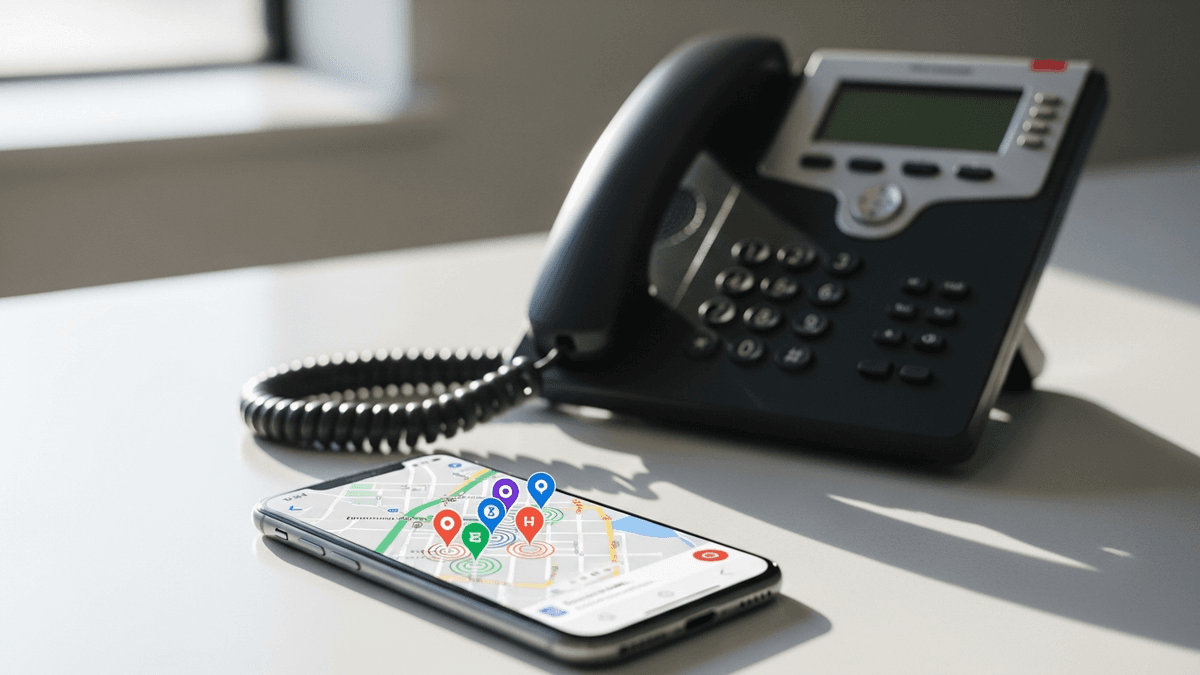
Diagnosis: one verified map entity before you buy citations, ads, or an SEO retainer.
Patients still open Maps, compare stars, and tap call. Google maps doctorsis the discipline of making that tap resolve to your clinic—not a hospital directory you do not control, not a duplicate pin with last decade's fax number. For the broader local stack, see local SEO doctors. For owned-site and on-page work above the map layer, see physician SEO. This page stays on map operations you can run between prior auths.
One map entity before you buy SEO
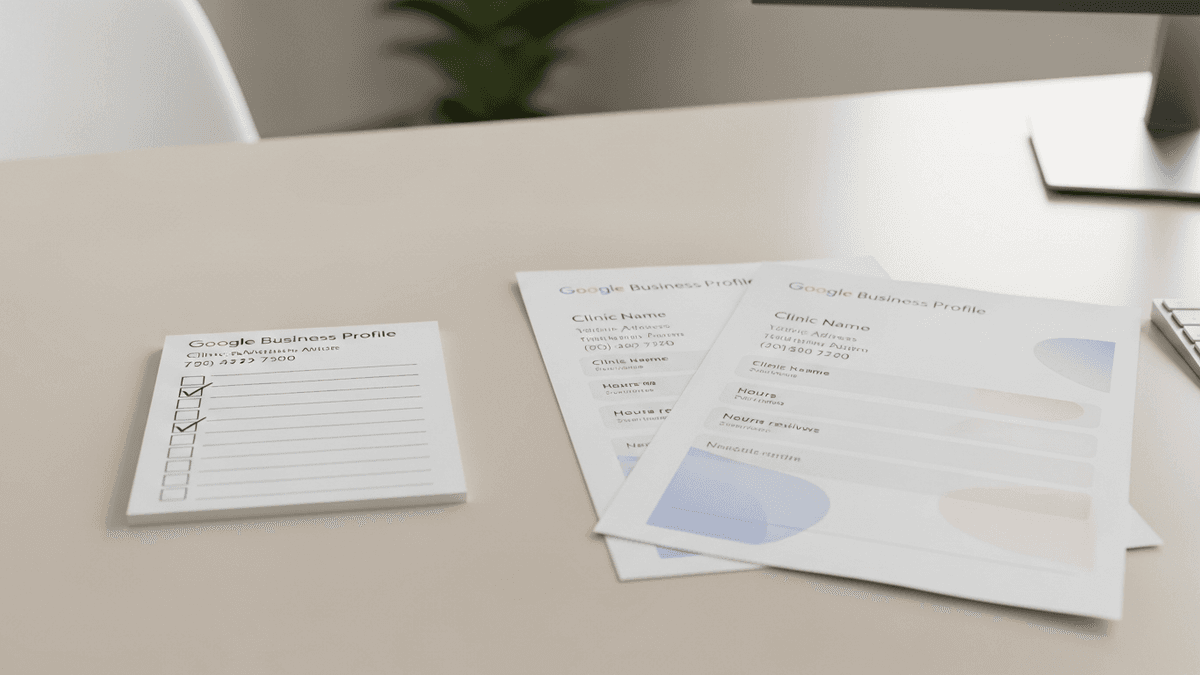
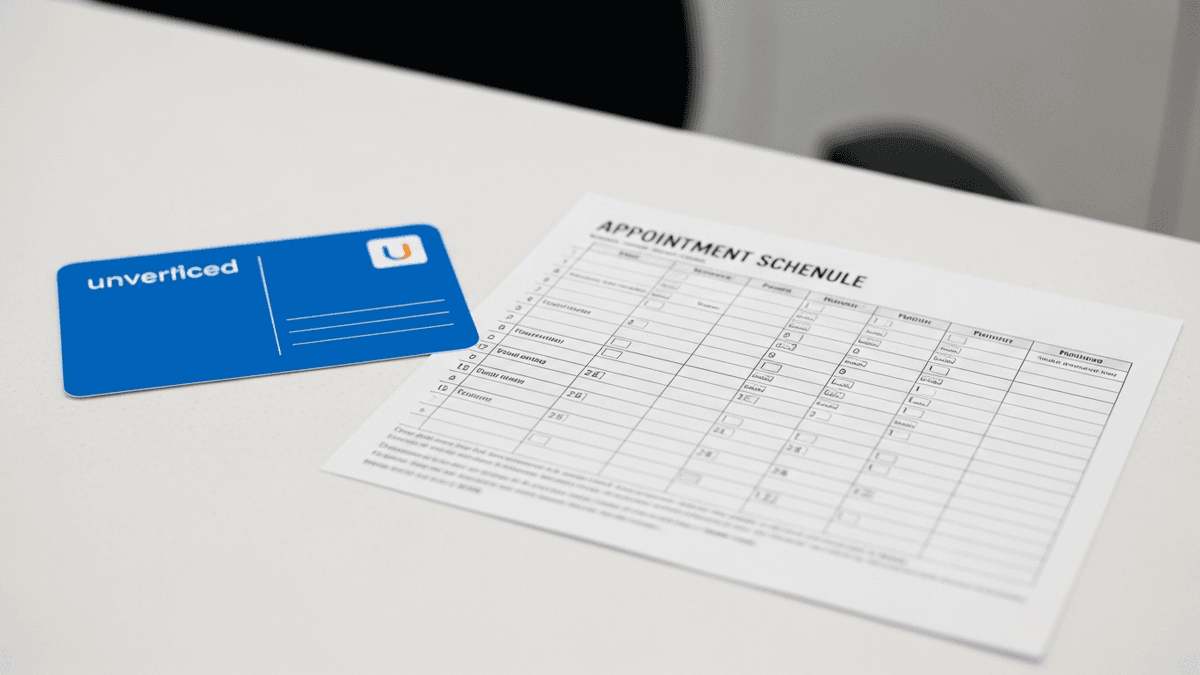
Claim your Google Business Profile before you pay anyone to optimize anything else. Verification is not decorative—it is how Google knows you control the listing patients see. Postcard on the front desk, video option where eligible, or other approved path. The code goes in. The profile moves from suggestion to asset.
We once had a frantic call from a physician ready to sign a four-figure monthly SEO retainer because the new clinic was invisible on Maps. The postcard Google mailed sat under a stack of lab faxes. He typed the five-digit code. The listing populated within days. We talked ourselves out of a retainer because it was the right thing to do—not every map problem needs an agency invoice.
Older practices carry ghost listings like tree roots under a sidewalk: a move from eight years ago, a departed partner, a satellite office that closed. Three profiles, three phone numbers, one confused algorithm. Merge duplicates in the profile dashboard, align name-address-phone with your website, then chase citations. Skipping that order is digital triage on a patient you have not examined.
Our opinion stays blunt: claim the free profile before you fund a new website or a bundled agency package. Vanity map rankings on top of an unclaimed entity are snake oil with a logo. Fix the entity first.
GBP fields that earn the call tap
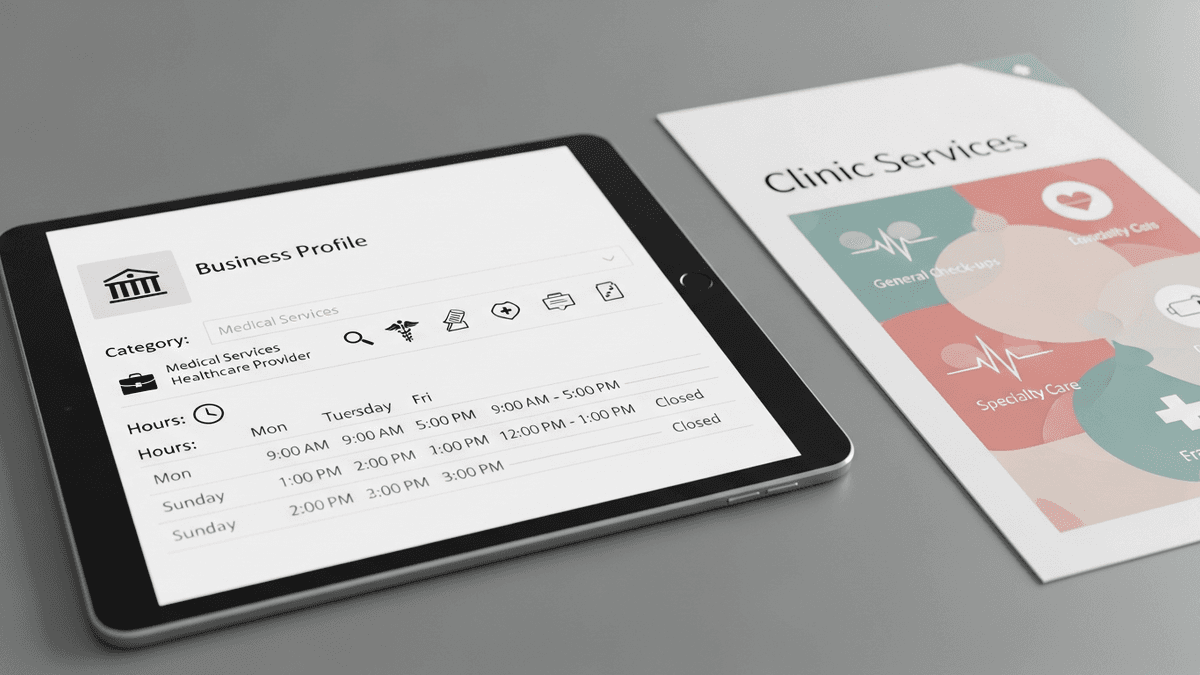
Categories are not trivia. Primary category should match how patients search—family medicine, orthopedics, dermatology—not how your partnership agreement labels the LLC. Secondary categories only when they reflect real services. Hours must match reality including lunch closures and holiday blocks; nothing erodes trust faster than a patient standing at a locked door reading "open now" on Maps.
Services and attributes belong filled, not factory-default. List procedures you actually schedule, languages spoken at the front desk, accessibility features patients ask about. Photos should be yours—real waiting room, real signage, real team where policy allows—not stock models in pristine coats pointing at clipboards nobody uses.
Booking links and appointment URLs should land on your owned flow or approved patient portal—not a third-party profile that owns the relationship. Follow Google's Business Profile guidelines for what belongs on the listing; the medical part is accuracy under pressure when the schedule changes on a holiday Monday.
Telehealth and virtual visit links belong only when you truly offer them and your intake path is compliant. A map pin promising video visits that route to a broken form is worse than no link—patients blame the clinic, not the widget vendor.
Reviews and public replies for doctors

Doctor reviews and patient reviews are the stars patients skim before they tap call. Low velocity is usually an operations problem, not a clinical quality verdict—nobody asked. Automate a polite post-visit request where policy allows; train the front desk to mention it once without sounding like a Yelp hostage situation.
Public replies are marketing copy visible to regulators. Thank the reviewer. Offer a private channel for detail. Never confirm identity, diagnosis, treatment, or outcomes in a Google reply—that is a HIPAA event wearing a thank-you badge. For broader reputation strategy beyond the map layer, see online reputation healthcare. For privacy framing, HHS HIPAA guidance beats whatever your cousin's agency said at a barbecue.
Flag policy-violating reviews through Google's process when they are clearly fake or abusive. Arguing with a one-star novel in public makes great screenshots for competitors and terrible optics for humans. Assign one owner for review triage—usually office manager, not the surgeon between cases.
Negative reviews that describe wait times or billing confusion are intake signals. Fix the hold music before you buy more map impressions. Marketing makes the phone ring; a miserable answer burns the budget.
Citations, ghost listings, and wrong numbers

Citations are directories that repeat your name, address, and phone. When they disagree, Google maps doctors queries fork—callers hit the old main, faxes go nowhere, the algorithm picks a winner you did not choose. Audit the major healthcare and general directories after the profile is verified, not before.
Ghost listings are the digital plaque of local search: an associate who left, a rebranding nobody updated, a pop-up vaccine clinic pin that never closed. Each split authority like competing charting systems that never merged. Merge or remove in Google's tools, then update the ecosystem so the ghost does not respawn next quarter.
Wrong phone number fixes start at the verified profile, then the website header and footer, then high-trust citations. Changing only the map pin while the site still shows the old main is how you get two ringing phones and one angry office manager. Document the canonical number in one internal runbook everyone uses—front desk, billing, after-hours service.
Data brokers and scraper sites republish stale NAP without asking. Periodic citation hygiene beats a one-time cleanup before a sale event. Treat it like wound care: not exciting, but the bleeding stops when you actually do it.
Multi-location and hospital map noise

Multi-location groups need one profile per public address patients can visit—not one city page claiming every metro in the state. Suite numbers, parking instructions, and entrance photos matter on hospital campuses where patients already arrive stressed.
Hospital-affiliated groups compete with the mother ship's find-a-doctor pages. Your owned map pin should still be accurate for the suite where you chart. Affiliation badges belong when true; keyword-stuffed hospital names in the business title belong nowhere. Patients search the doctor and the neighborhood, not your joint venture branding committee.
Multi-physician Google Business Profile cleanup is a governance problem. Individual practitioner listings can make sense when brands and addresses differ. Shared suite, shared phone, shared brand—one primary practice listing with provider bios on the site is usually cleaner. Forked listings for the same reception desk split reviews and confuse referring offices.
Service-area practices without a storefront still need honest geography in profiles and content. Claiming cities you never serve is local spam with a white coat. Regulators and patients both notice.
Map clicks need a site that converts
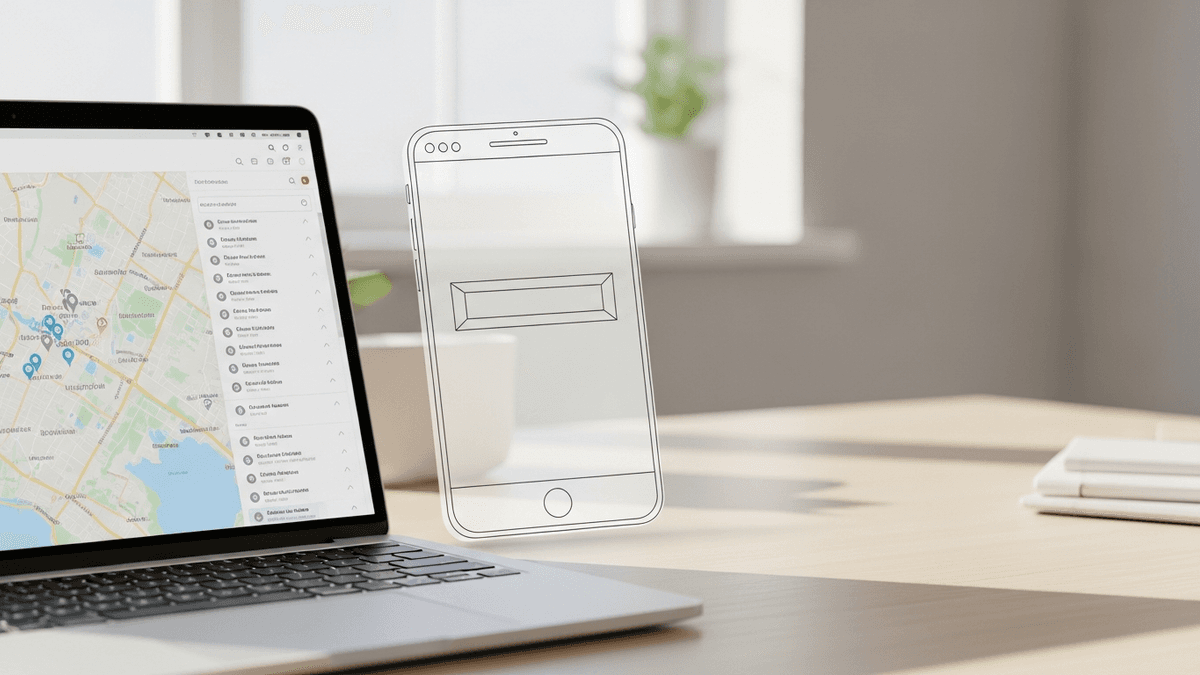
Winning the map tap then sending traffic to a brochure site is driving patients into a waiting room with no chairs. Mobile-first booking or tap-to-call above the fold—not three scrolls of mission statement before the phone icon. That is where physician website design meets grow medical practice online work: the map earns attention; the site earns the appointment.
Core pages should answer what you treat, where you are, and how to schedule without a scavenger hunt. Condition and service labels patients actually type beat subspecialty jargon on dropdowns nobody opens. If the primary action hides behind a hamburger menu, map visibility becomes a leak, not a funnel.
For build-vs-patch decisions, see doctor website builder. For performance habits when pages accumulate widgets, Core Web Vitals still matter—heavy pages bleed map clicks on hospital Wi-Fi and parking-lot LTE alike.
Track calls and form submissions by source when you can—not impressions, not vanity ranking PDFs. A map pin that rings the phone is doing its job even when an agency dashboard looks bored.
When not to hire us yet
Do not hire us—or anyone—if the profile is unclaimed, if ghost listings still fork your number, if the site cannot convert map traffic, or if the new-patient panel is full and marketing would lie about capacity. Fix the free layer first. Marketing makes the phone ring; if the front desk puts people on hold until they hang up, you are setting budget on fire.
We tell practices to verify Google Business Profile before signing retainers they do not need. We tell groups with full surgical schedules to fix wait-panel messaging before we publish book-today copy that cannot be true. We make money when the work is real—not when we sell hope on top of a broken intake path.
When the map is clean, the site converts, and you have new-patient room, read how it works or book a discovery call on pricing.
Straight answers
What does Google maps doctors mean for a medical practice?
One trustworthy map entity—verified profile, aligned name-address-phone, credible reviews, and a site that books or calls when patients tap through.
Should I verify Google Business Profile before hiring local SEO?
Usually yes. Verify, merge duplicates, align NAP. Citations and retainers on top of a forked map layer waste quarters.
How is this different from local SEO for doctors?
This page is map-layer operations. Local SEO for doctors connects map work to citations and broader local strategy; physician SEO adds the full owned-site stack.
Can each physician have a separate listing from the practice?
Only when brands and addresses truly differ. Shared suite and phone—one primary practice listing is usually cleaner.
How do I fix a wrong phone number on Google Maps?
Edit the verified profile first, then the website and major directories so citations match. Merge stale duplicates instead of competing numbers.
What should I say in public review replies?
Thank generically, route concerns privately, never confirm identity or clinical details in public.
When should a practice hire help for Google Maps?
When verification and merges are done, the site converts, capacity exists, and nobody in-house can maintain reviews and citation hygiene between clinic days.
Map pins are not trophies. They are the front door. Go finish your charting. When the entity is clean and the site still cannot convert, we will say so—even when the answer is a postcard, not a retainer.