

Diagnosis: choose infrastructure first, then decorate.
This guide targets the doctor website builder cluster, plus same-intent searches like medical practice website design and healthcare website builder. Solo providers should also read solo practice physician website builder. For template selection and customization order, see medical website templates. If you need the broader visibility model, read medical practice sovereignty.
Builder versus brochure: your site is a workflow, not a wall poster
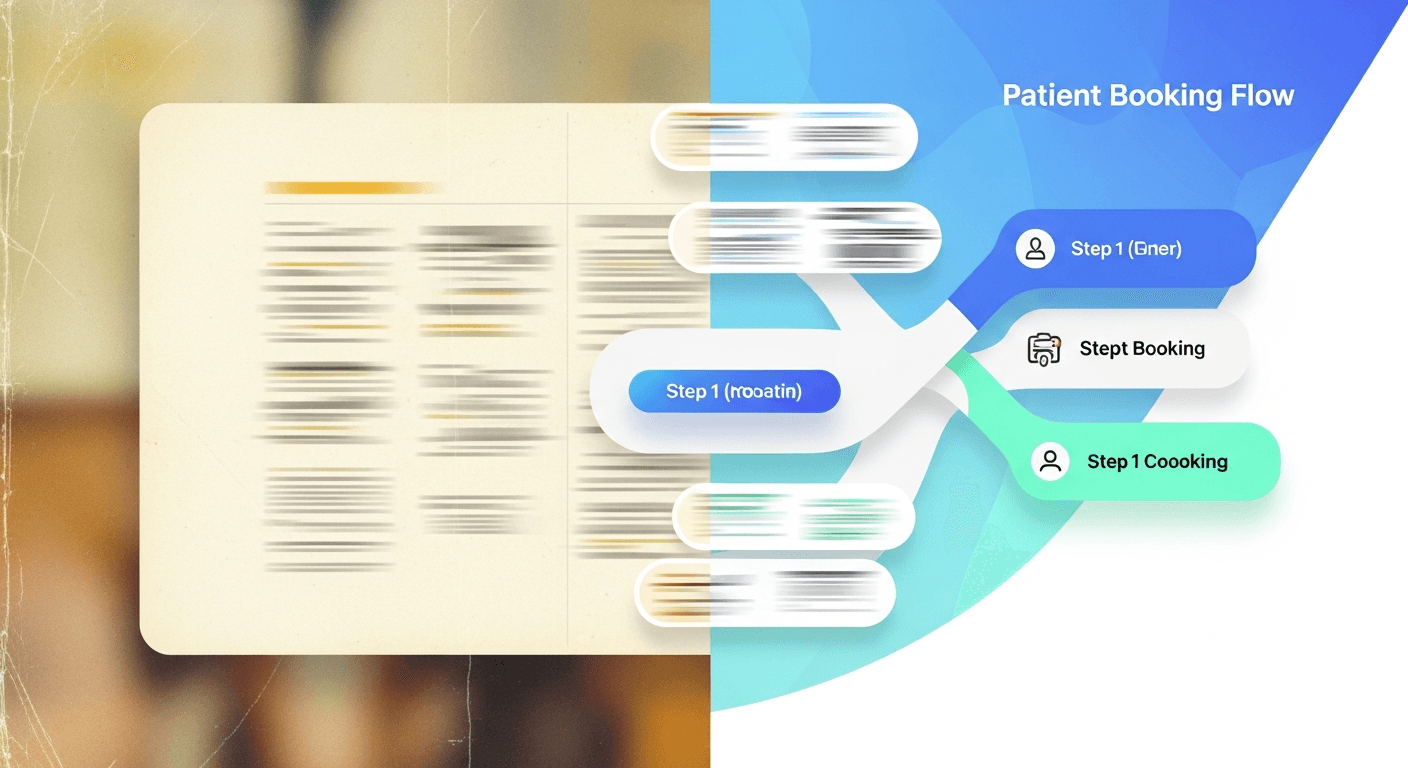
Patients do not visit your homepage to admire gradients. They arrive with intent and scan for one of three answers: do you treat this, do you take this insurance, and how fast can I book. The builder you choose has to support those decisions above the fold.
Competing products promise speed to launch. SERP leaders in this space mostly ship feature checklists and testimonials. The gap is operational guidance: what to publish first so patient flow improves in week one, not month four.
Service page intent mapping beats template quantity every time
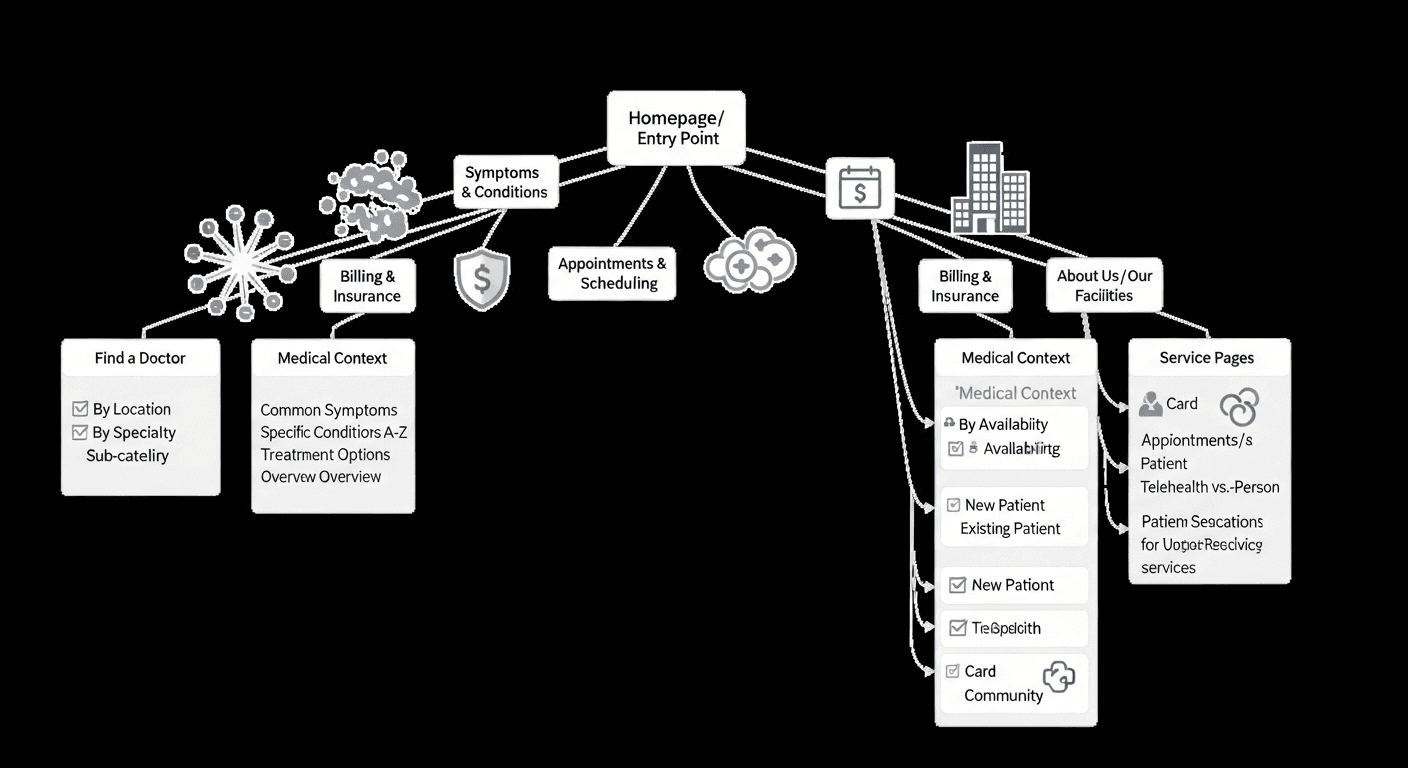
A hundred templates cannot rescue vague page architecture. Match page titles to patient language, not internal labels. This is where most best website for doctors guides quietly fail: they score features, then ignore search intent.
Keep each service page tied to one demand theme and connect those pages to your profile, reviews, and booking action. For a practical checklist, use our 2026 doctor website checklist.
Speed and mobile triage: the non-negotiables before SEO campaigns
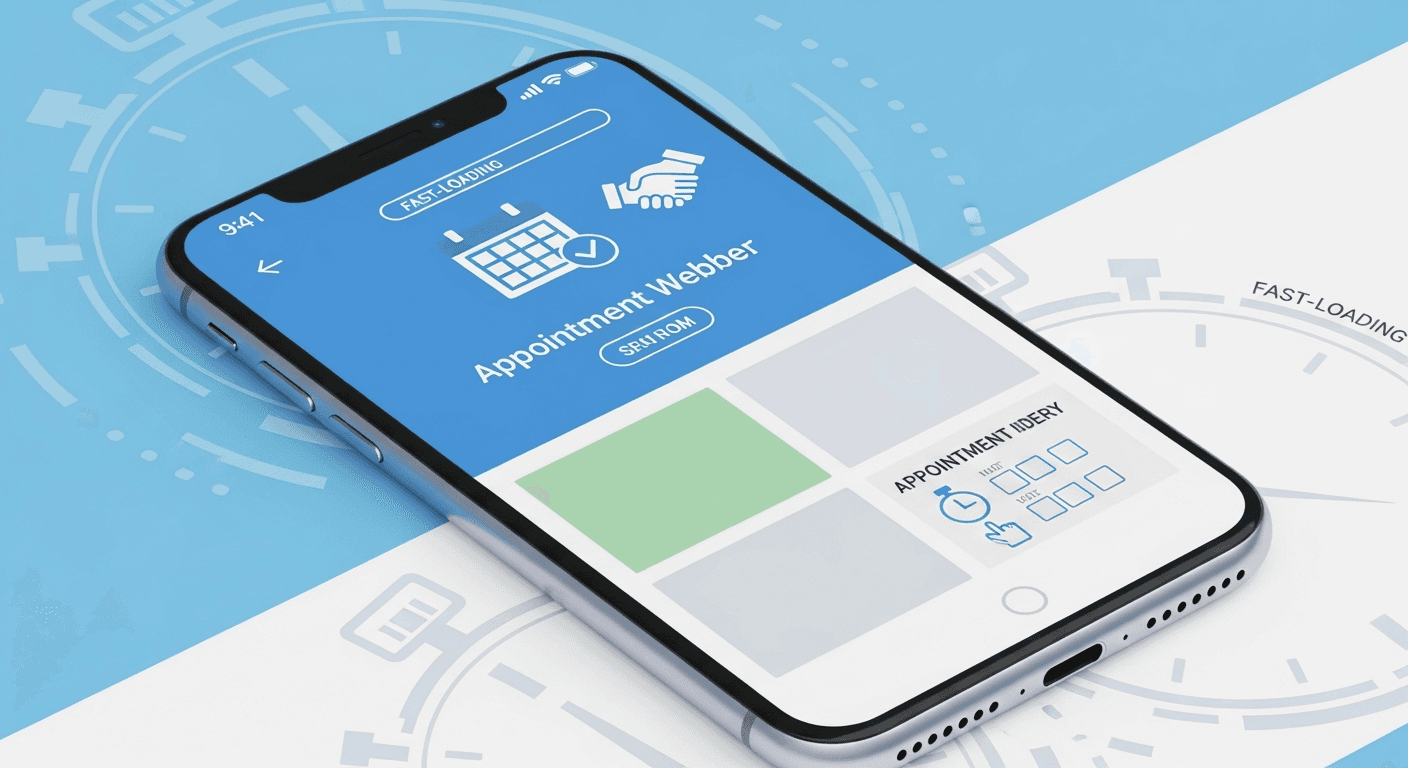
This is the boring part that pays bills. Once load time drifts beyond three seconds, bounce can climb around 40%. That is four out of ten potential patients leaving before they even read your credentials.
Use publicly documented benchmarks like web.dev Web Vitals and Google’s SEO Starter Guide. If a platform cannot hit baseline performance on mobile, keep shopping.
HIPAA and form boundaries: where most DIY builds get risky
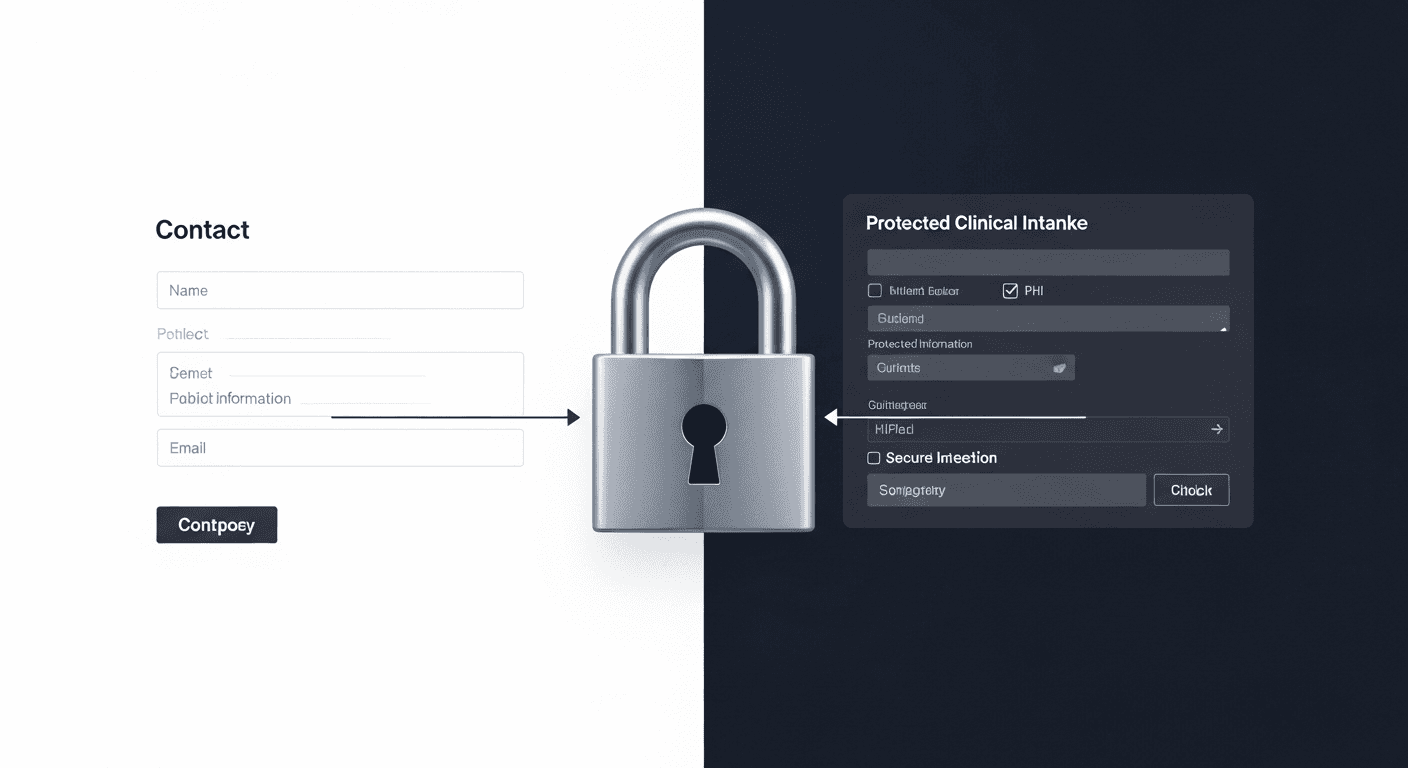
Not every contact form belongs in clinical intake. Keep marketing inquiries separate from PHI workflows and route medical details through approved systems. That line is not optional because a plugin says “healthcare friendly.”
HHS publishes the compliance baseline in HIPAA for Professionals. Read it before collecting medical history through generic website widgets.
Ownership and pricing clarity: separate ad spend from builder fees
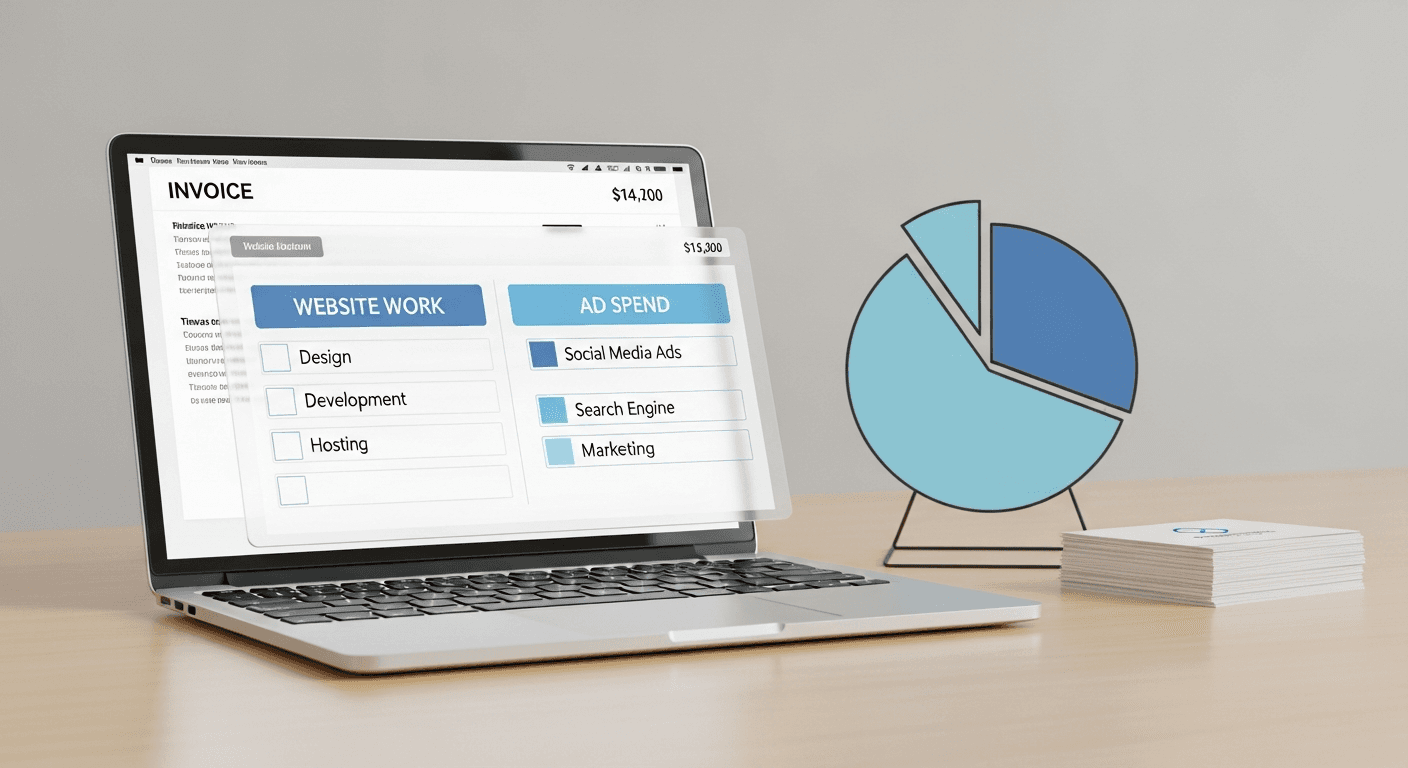
A specialized clinic once showed us a $3,000 monthly quote that looked comprehensive until we opened the hood. Most of it was management markup on a shared template and minimal media budget. We separated costs, rebuilt the funnel, and cut acquisition waste.
The opinion here is simple: bundled pricing hides accountability. Builder costs, agency labor, and media spend should never be one mystery number. This is covered in our pricing structure.
When not to hire us yet

If your domain is not in clinic ownership, your Google profile is half-complete, or your booking button fails on mobile, do the free fixes first. Paying a retainer before those basics is like ordering imaging before taking vitals.
When those are stable, we can help with growth sequencing. Until then, keep your money and spend an afternoon on digital triage. If you want the workflow, start with how it works.
Straight answers

What should a doctor website builder include first?
Fast mobile pages, clear services, real booking path, and account ownership controls.
Is a builder enough without SEO?
No. A builder helps launch, but intent mapping, profile hygiene, and technical SEO still decide visibility.
How fast should the site load?
Under three seconds on mobile is the practical target for conversion health.
Are generic builders HIPAA compliant by default?
No. Compliance depends on the full data flow, agreements, and controls.
Should ad spend be bundled into site management?
No. Keep labor and media costs separate so ROI math is transparent.
When should we rebuild instead of patching?
If your site is five-plus years old and mobile feels brittle, rebuild before heavy campaigns.
When should we avoid hiring an agency yet?
When the basic free fixes are still open: ownership, profile completeness, and working booking.
Since 2016 we have helped scale 412 clinics with a 92% retention rate because we choose boring truth over polished pitch decks. Go finish your charting. If the infrastructure is stable and you want a growth plan, book a discovery call on pricing.