
Patients Finder logo

Patients Finder

NEW · AI ADD-ONS FOR PATIENTS FINDER

Three AI Add-Ons That Pay for Themselves in 60 Days

Bolt these onto your Patients Finder plan and let them work in the background. Bring back inactive patients. Fill cancelled slots automatically. Grow your 5-star review count without asking your staff to chase.

  • HIPAA Compliant (BAA included)
  • Works on top of your existing Patients Finder plan
  • 14-day free pilot — no card required
  • Cancel any add-on month-to-month
  • 18–23%1

    of an inactive list reactivated, first 60 days

  • 42%2

    of cancelled slots filled within 4 hours

  • +6/mo3

    new 5-star reviews per location, after 90 days

  • <60 days4

    to ROI for AI Reactivation (customer-reported)

Row of independent medical clinic storefronts at dusk

Who this is for

  • Independent solo MDs
  • 2–10 provider clinics
  • Specialty practices

Already on Patients Finder? Add an AI service in minutes and start seeing booked appointments within 7 days. Not on Patients Finder yet? See plans and add AI tools when you are ready. Learn how the engagement works or explore our core services.

The three AI add-ons

Production-ready tools that bolt onto your Patients Finder stack. No shelfware — only what we can run and measure today.

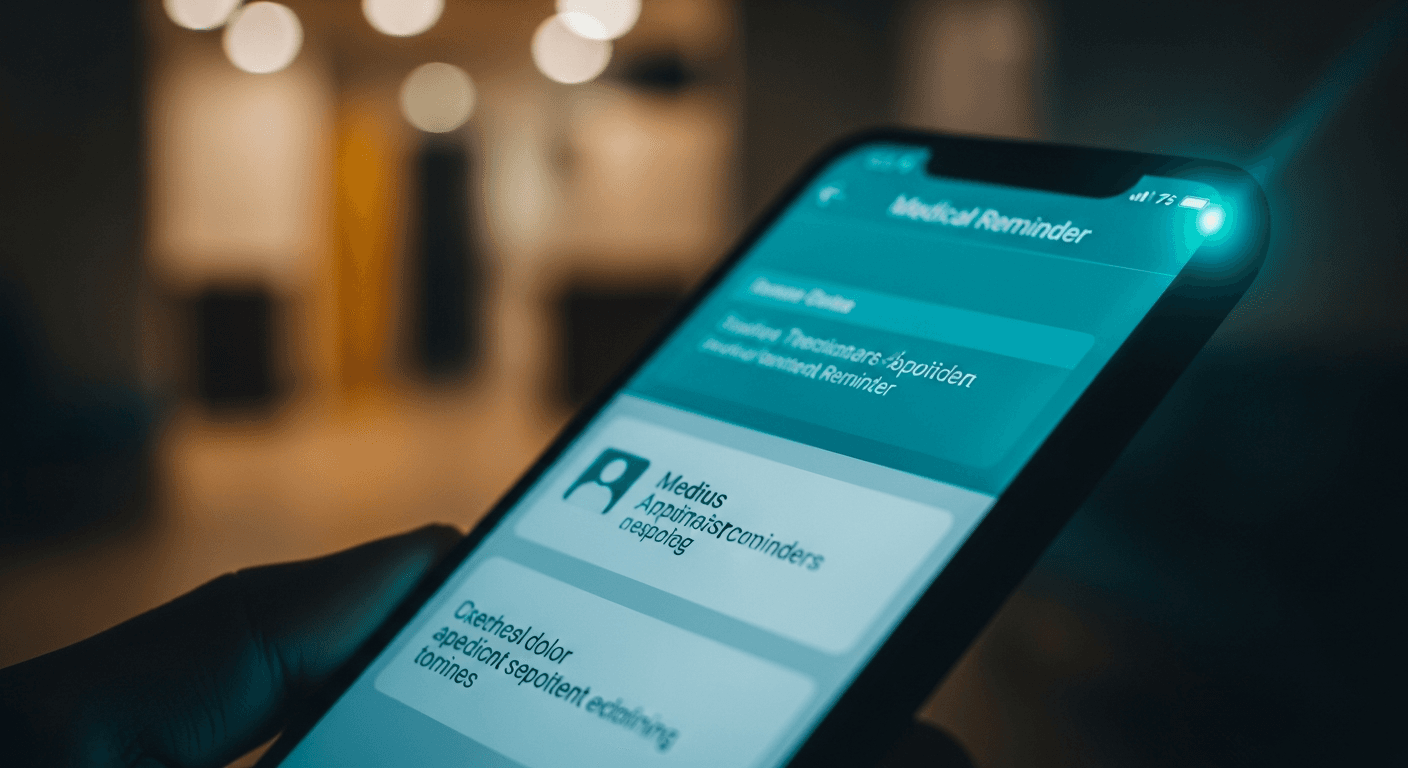
Smartphone with medical appointment reminder glow in a clinic setting

AI Patient Reactivation

Bring back the patients you have already paid to acquire.

Most practices have a shadow patient list — people seen once or twice, then never again. Annual physicals not booked. Mammograms overdue. Flu shots skipped. AI Reactivation runs personalized SMS, email, and optionally voice campaigns to bring them back — automatically, on schedule, in your practice voice.

How it works and outcomes

How it works

  1. Connect your patient list (CSV upload or EHR export — we support 14 EHRs)
  2. AI segments the list by last-visit reason, time elapsed, and clinical due-for rules
  3. AI generates a personalized message per patient (we never use templates)
  4. Patient gets the message via SMS, replies yes or clicks a booking link
  5. Appointment lands in your calendar; staff handles the human follow-up

What you will see

  • 18–23%¹ of contacted patients book an appointment
  • ~$8K–$15K in recovered revenue per 1,000 inactive patients¹
  • Front desk hours saved: ~6/week (no more manual recall calling)

HIPAA-ready infrastructure

  • BAA signed before data is shared
  • All patient data stored in HIPAA-eligible AWS (us-east-1)
  • LLM provider: Azure OpenAI (BAA-covered) or AWS Bedrock
  • Patient opt-out honored automatically; SMS-stop compliance built in
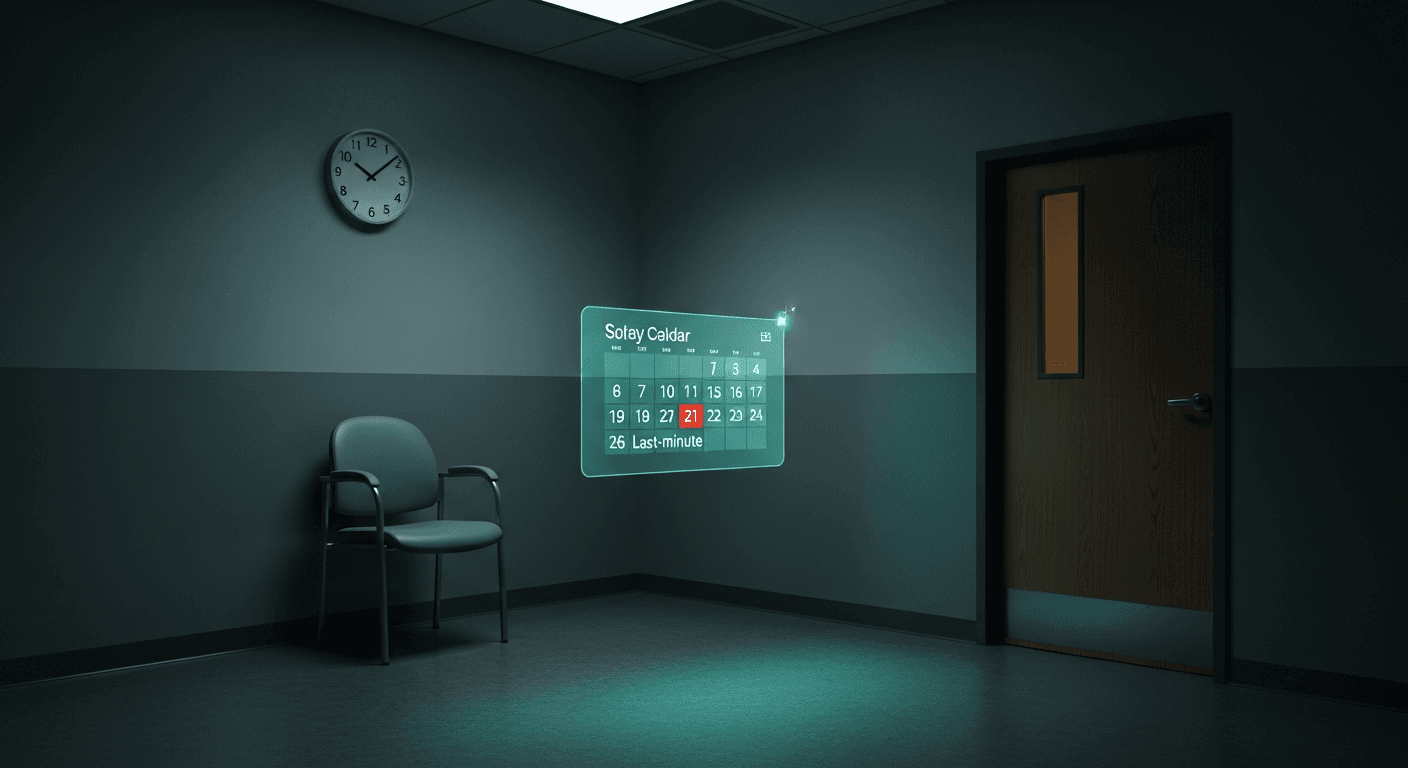
Empty exam room with digital calendar overlay suggesting an open slot

Smart Waitlist (AI-Powered)

Empty chairs become billable visits — automatically.

When a patient cancels at 9:47 AM for a 10:00 AM slot, your front desk does not have time to call ten waitlisted patients. Smart Waitlist does it in 30 seconds. AI ranks your waitlist by likelihood-to-accept, sends a personalized SMS to the top 5 simultaneously, and books the first to confirm.

How it works and outcomes

How it works

  1. Patient cancels (or no-shows — we detect both)
  2. AI scores your waitlist for fit (location, urgency, prior availability patterns)
  3. Personalized SMS goes out to top 5: "Dr. Patel just had a 10am open up — want it?"
  4. First yes gets the slot; others receive a polite next-time message
  5. Calendar updates; intake forms send automatically

What you will see

  • 42%² of cancelled slots fill within 4 hours (vs ~7% for manual waitlist)
  • Average rescue revenue: ~$185/slot²
  • Zero front-desk effort

HIPAA-ready infrastructure

  • Same HIPAA infrastructure and BAA as other add-ons
  • SMS compliance and opt-out built in
  • Works with your Patients Finder calendar or compatible scheduling
Tablet on a reception desk with five glowing review stars

AI Review Engine

More 5-star reviews. Caught negatives before Google sees them.

Every visit is a potential 5-star review you are missing. AI Review Engine sends a personalized review request at the moment of peak satisfaction (we measured this — it is not what you would guess). Positive sentiment routes to Google, Healthgrades, and Yelp. Negative sentiment is intercepted privately first.

How it works and outcomes

How it works

  1. Visit ends; AI waits 4–26 hours (varies by specialty — we A/B tested this)
  2. Patient gets a personalized SMS asking how the visit went
  3. AI scores the response: positive → "Would you mind sharing on Google?"
  4. Negative → routed to your team only so you can respond before the public sees it
  5. Monthly reputation report auto-emailed to practice manager

What you will see

  • +6 new 5-star reviews/month/location³
  • Negative-review interception rate: 73%³
  • Google ranking signal lift on local pack visibility

HIPAA-ready infrastructure

  • No PHI in public review prompts
  • BAA and HIPAA-eligible storage for response data
  • Configurable routing per location and specialty
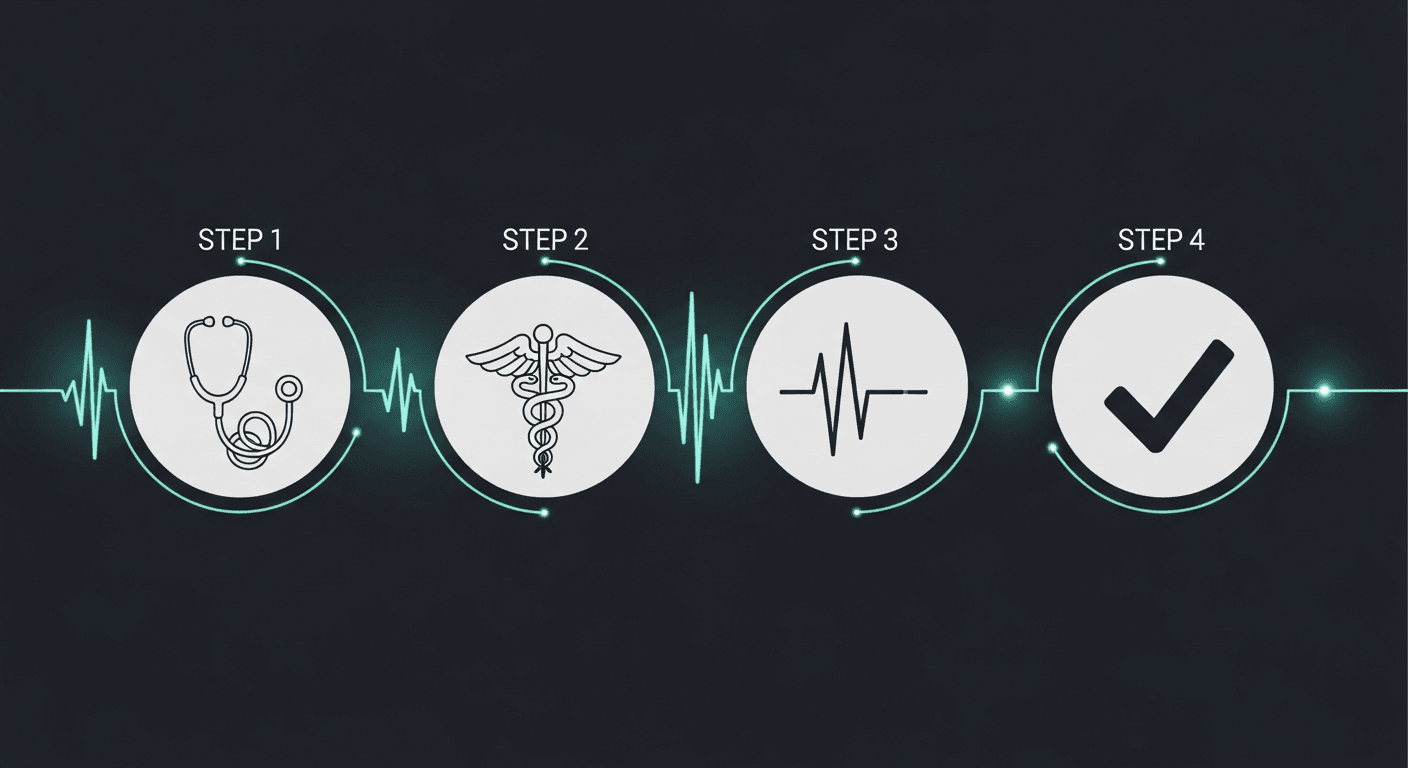
Abstract four-step medical AI onboarding timeline with teal accents

How the AI for Doctors Add-Ons pilot works

A simple, honest four-step intake. If the add-ons are not right for your practice, we say so in discovery.

  1. Discovery (15 min)

    We map your top pain. If AI add-ons are not right for you, we say so.

  2. Setup (Day 1–2)

    We connect your patient list, sign the BAA, and configure your voice and protocols.

  3. Pilot (Days 3–14)

    Run live on real patients. Measure outcomes against your baseline.

  4. Decide

    Keep the add-ons that paid for themselves. Cancel any that did not. No questions.

Coming soon — join the waitlist

We are shipping more AI capabilities through 2026. These are not live yet, so we are not going to oversell them. If you want early access, tell us which features matter.

We do not ship things until they actually work. When these go live, waitlist members get the first 90 days at half price.

Futuristic dark medical AI product roadmap interface concept

Get early access

Select the features you care about above, then send your details. We will reach out when they are ready.

Brightening medical practice waiting area suggesting recovered patient flow

Customer outcomes

Case studies coming soon — talk to a specialist for live references.

We are recruiting existing Patients Finder customers as design partners for the AI Reactivation pilot. When published, each case study will include practice name, specialty, provider count, location, a specific measured outcome, and a direct quote — with permission on file.

Straight answers

Do I need to be on Patients Finder already to use the AI add-ons?

Yes. The AI add-ons are designed to work with your existing Patients Finder website, calendar, and patient communication setup. If you are not on Patients Finder yet, start with an active base plan — you can add AI services anytime after. See plans.

Is this HIPAA compliant?

Yes. Every AI add-on ships with a Business Associate Agreement before any patient data is shared. Patient data is stored in HIPAA-eligible AWS infrastructure. Our LLM provider is Azure OpenAI, which signs BAAs for healthcare workloads. Audit logs and role-based access controls are standard.

What EHRs do you integrate with?

For AI Reactivation, we accept patient list exports from any EHR via CSV. For automated sync, we currently integrate with athenahealth, eClinicalWorks, Tebra (Kareo), NextGen, AdvancedMD, ModMed, SimplePractice, and Healthie. More integrations on request.

Will my staff hate this?

The opposite. Our pilot data shows front-desk staff save 6+ hours per week previously spent on manual recall calling and waitlist management. They redirect that time to in-person patient experience and complex cases.

Can I cancel an add-on if it does not work?

Yes — month-to-month, cancel any add-on independently of the others. No long-term contracts.

Why only 3 services? Other vendors offer 10+ AI tools.

We ship what we can prove works. Three services that pay for themselves in 60 days beats ten services that do not. We are adding more through 2026 — see the waitlist on this page for what is coming.

What if I am a paper-based practice without an EHR?

The AI Review Engine works completely without an EHR. Smart Waitlist needs a digital calendar (we provide one if you do not have one). AI Reactivation needs a patient list — even an Excel sheet works.

Does this work in Canada?

The AI Review Engine and AI Reactivation work in Canada with PIPEDA and provincial-privacy compliance (PHIPA, HIA, Quebec Law 25). Smart Waitlist is US-only for now.

Medical practice waiting area with warm morning light

Stop Letting Lost Patients Stay Lost

Most practices are sitting on recoverable revenue from inactive patients alone. The AI Reactivation add-on finds it. The 14-day pilot has zero cost and a real number against your baseline.

Footnotes

  1. 1 AI Reactivation outcomes based on internal pilot data from 12 independent medical practices, October–December 2025. Reactivation rate range reflects 25th–75th percentile of practices in pilot. Recovered revenue calculated as (booked appointments) × (clinic-specific average new-patient revenue). Individual practice results vary based on list size, list age, specialty, and message customization.
  2. 2 Smart Waitlist outcomes based on internal pilot data from 8 practices, October 2025–January 2026. Fill rate measured as (cancelled slots refilled within 4 hours via Smart Waitlist) ÷ (total cancellations during measurement period). Manual waitlist baseline of 7% sourced from MGMA 2024 practice operations benchmark.
  3. 3 AI Review Engine outcomes based on internal pilot data from 15 practices, August–December 2025, measured 90 days post-activation. Negative interception rate defined as percentage of negative-sentiment responses captured privately before patient posted publicly.
  4. 4 Time to ROI = days until cumulative recovered revenue from AI Reactivation exceeded the cumulative add-on cost. Self-reported by 22 customers Q4 2025; median value is 41 days, range 14–89 days.

All footnote data refreshed quarterly. Last update: May 2026. Outcomes are not guaranteed; results depend on practice characteristics. Pilot data does not constitute a clinical study.