
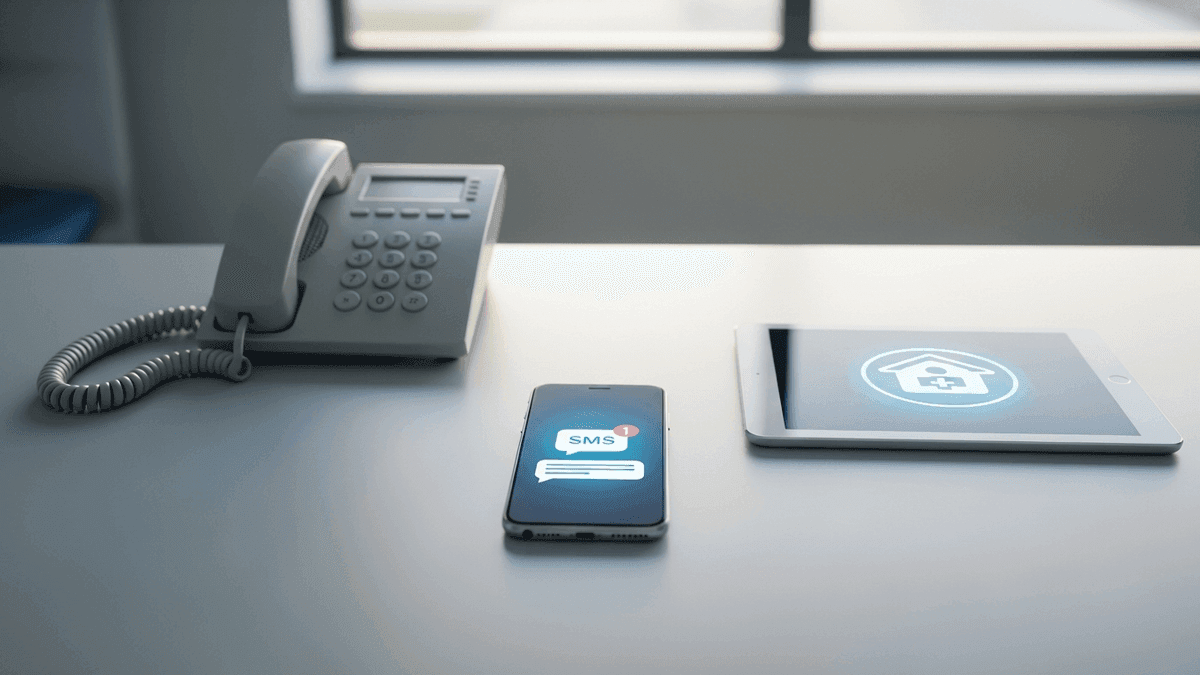
Diagnosis: fix the phone tree and booking path before you fund a recall blast.
Google still starts with Maps, stars, and tap-to-call for most PCP searches. Patient communication for family medicine only compounds when that path works and your panel has room—not when automation outruns intake. For the site layer, see web development for family medicine. For search and owned content, see SEO and content marketing for family medicine. This page stays on between-visit ops.
Phone tree before blasts
Claim your Google Business Profile before you pay for a twelve-month SMS package. It drives a large share of local patient traffic and it is free. (Yes, you should be charting. We still mean it.)
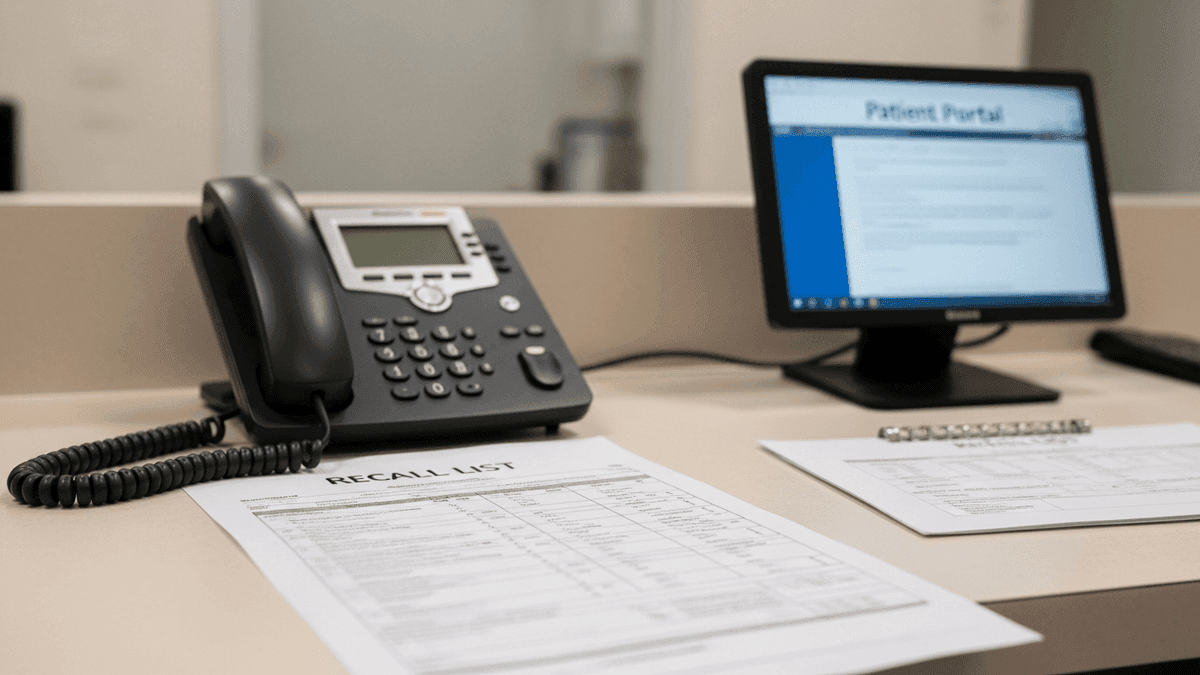
Marketing's job is to make the phone ring. If the front desk puts new patients on hold for ten minutes or sounds miserable, the reminder budget is being set on fire. Audit the phone tree before you audit the recall list. Nine times out of ten, the fix is operational, not another vendor login.
Older family medicine practices often carry ghost listings like tree roots under the sidewalk—a partner left in 2019, the sign changed, and now two profiles argue about the fax number. We merge duplicates, align name-address-phone data, and clean citations so Maps has one story. Only then do medical practice patient communication workflows earn their keep. For map-pack discipline, read local SEO doctors.
Reminders, recall, and panel capacity
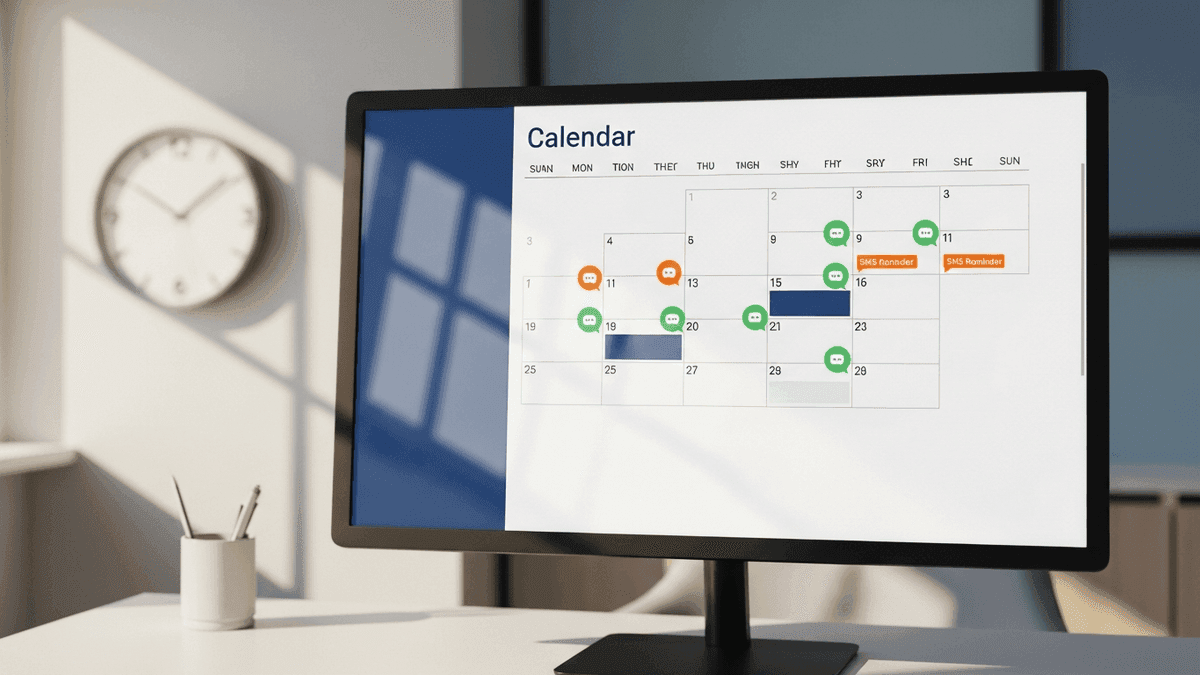
The AAFP FPM patient communication article covers what happens inside the exam room—connection, listening, shared agenda. This section covers what happens between visits: appointment reminders, preventive recall, and flu-clinic nudges that respect whether you can actually book anyone.
Panel capacity is the governor. If you are closed to new patients, a recall campaign that says "schedule your annual" while the schedule is six weeks out is digital false advertising. Match message volume to reality. Our opinion stays blunt: automate a polite text after a successful visit for reviews before you buy a complicated nurture sequence nobody will maintain.
For no-show mechanics and scheduling nudges without hiring, see reduce no-shows without more staff. For social channels that are public, not clinical, see social media management for family medicine.
HIPAA-safe channels, not comment threads
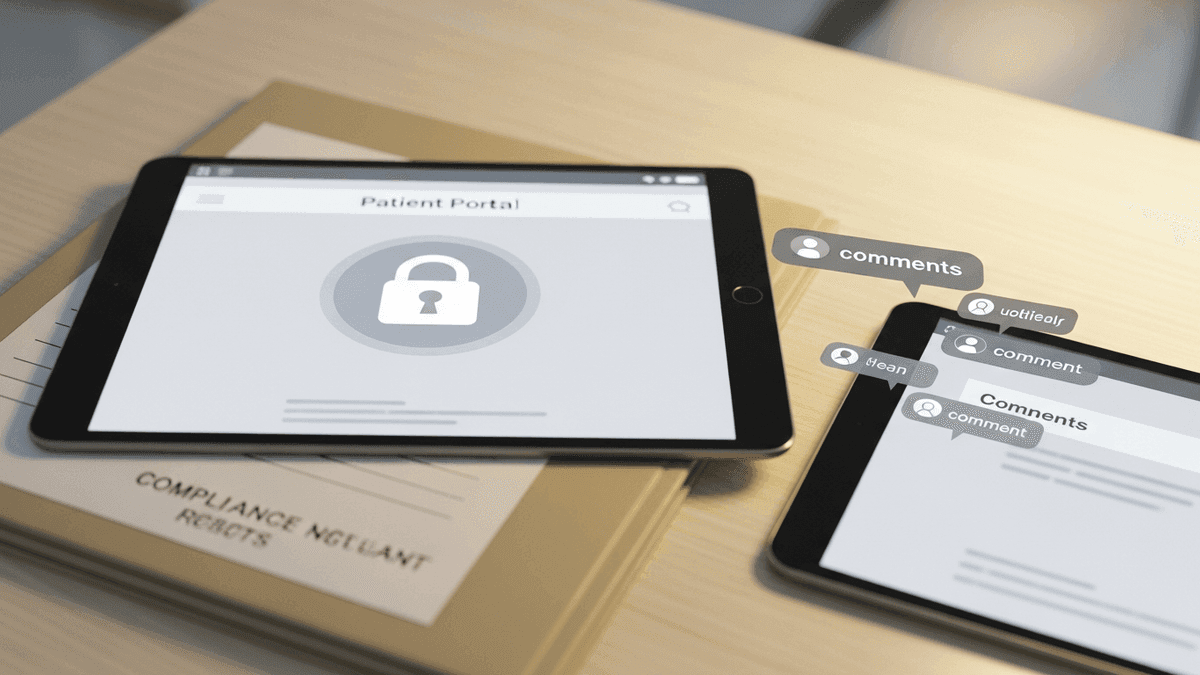
A patient who writes "Is my metformin dose okay?" under a clinic post or in a Facebook DM has just created a compliance headache. Train staff to thank them, move clinical talk to the portal or phone, and never confirm identity in a thread. The HHS HIPAA Privacy Rule does not care that the platform has a heart react.
HIPAA compliant patient communicationfor family medicine usually means a vendor with a BAA, minimum-necessary reminder copy, and written workflows—not a group chat the office manager runs from a personal phone. Do not DIY the gas: hooking an unencrypted generic form to collect histories is a different disaster. OCR fines are not a line item you want on the P&L.
Appointment reminders can work via SMS when content stays transactional. Treatment plans, lab results, and medication changes belong in the portal or on a documented phone call. If a workflow cannot pass a privacy officer's yawn test, it does not ship.
Booking path and EHR handoffs
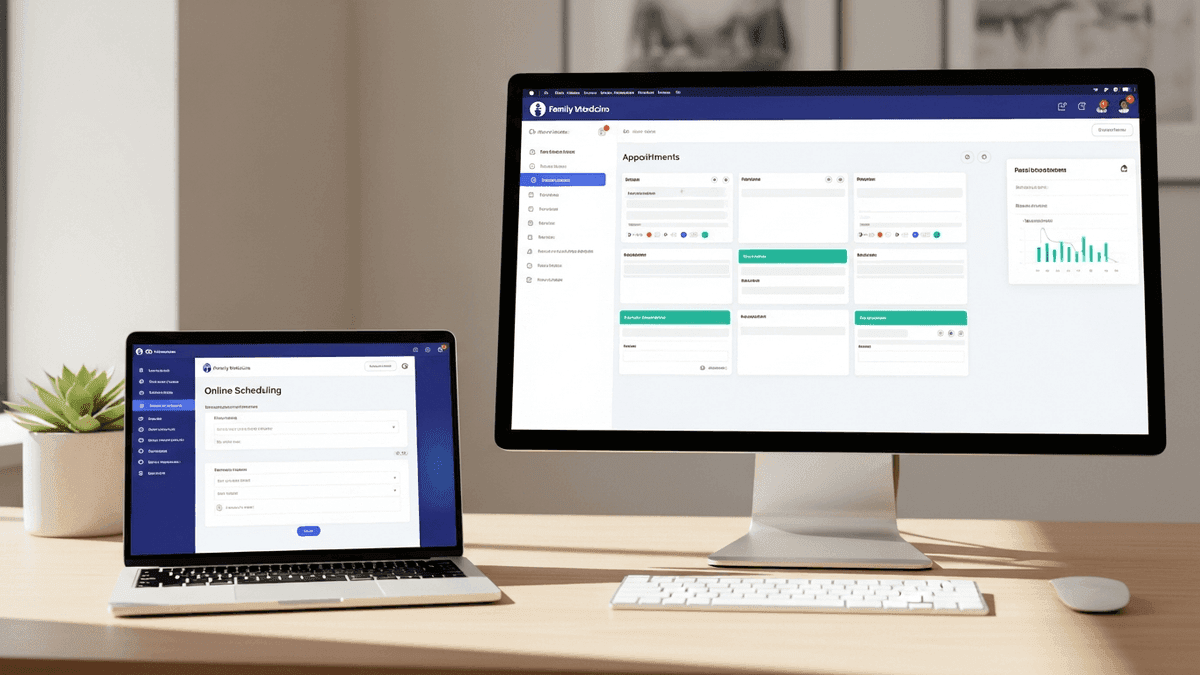
Monday morning, late 2023. A multi-location ortho clinic called in a panic. Their online intake form had broken over the weekend and they were losing high-value consults. Our dev team was on it in 15 minutes, rebuilt the API connection to their EHR, and had patient flow restored in under two hours. Family medicine groups see the same movie with smaller margins—a silent form is a burst pipe behind the wall.
Reminders that link to a dead scheduling page are harassment with a logo. Own the booking path on your site or a vetted integration—not a widget that phones home to someone else's database without a BAA. A site that loads in over three seconds pushes roughly 40% of visitors away. That is four out of ten prospective patients leaving while the front desk holds.
Test the path monthly like you test crash carts: submit a fake new-patient request, book a follow-up, confirm the EHR received it. For specialty context, see our family medicine marketing overview.
When automation is rent
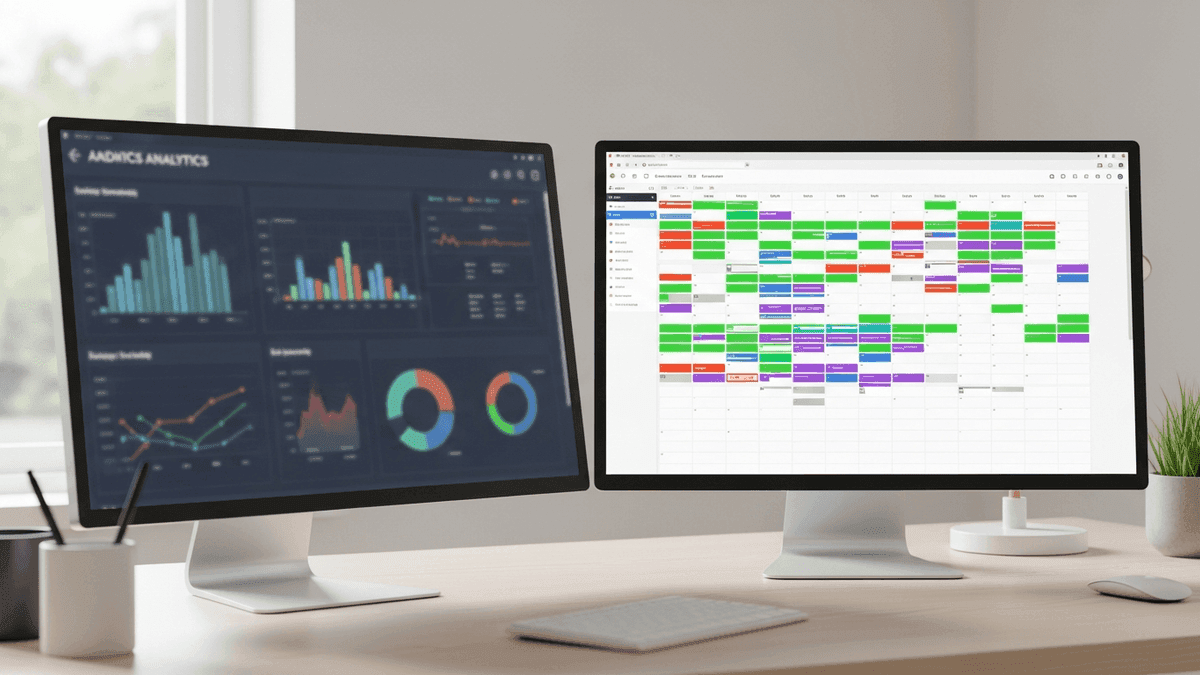
Paid patient-acquisition blasts are rent. The second you stop paying, reach drops. Owned reminder and recall workflows tied to your EHR behave more like a mortgage—boring maintenance, then compounding panel stability. Hybrid can work when the map layer is credible.
Let's look at the math. Average paid cost per acquisition for competitive medical keywords often lands around $150–$300. Mature SEO drops blended CPA toward roughly $35 over a twelve-month horizon. Across 412 campaigns we have scaled, hybrid wins when the listing still looks trustworthy after ads pause. Ad spend should be paid directly to vendors. We never bundle it into our agency fee.
If ratings slip under 4.0 stars, online conversion can crater by up to 60%. Fix operations and reviews before you buy more reach. A clinic on page two of local results captures less than 1% of that search demand. For volume strategy, see how to get more patients for my practice.
When not to hire us yet
Do not hire us—or anyone—for patient communication automation if the profile is unclaimed, if ghost listings still fork your phone number, if online booking is broken, if the panel is closed, or if ratings need an operational fix first. Fix the free layer. If the site is five or more years old and is not reliably mobile-responsive, rebuild before you fund blasts—see web development for family medicine.
Do not hire us if nobody owns workflow documentation. Automation without an office manager who can pause a runaway recall is how patients get three texts for the same flu shot.
When the map is clean, booking works, reviews are stable, and you have panel room, read how it works or book a discovery call on pricing. We launch new campaigns within 14 days from kickoff. We make money when the work is real.
Straight answers
What is patient communication for family medicine in plain terms?
Between-visit reminders, recall, and secure channels after Maps and intake work—not a substitute for exam-room listening.
Should we automate before fixing Google Business Profile?
Usually no. Verify the profile, merge ghosts, align NAP, and answer the phone. Blasts on a forked map layer waste quarters.
Is SMS okay for appointment reminders?
Yes with a BAA, minimum-necessary copy, and no clinical back-and-forth in the thread.
What if the panel is closed?
Pause acquisition and recall that promises new patient access. Match automation to capacity.
Can we use social DMs for clinical questions?
No. Escalate to portal or phone. See the social FM post for public-channel rules.
When does automation hurt?
When booking is broken, ratings are low, or intake cannot absorb volume.
When should we hire an agency?
When map hygiene is done, the booking path works, the panel has room, and nobody in-house can maintain HIPAA-safe workflows.
For performance when landing pages load heavy media, Core Web Vitals still matter. Light pages rank better and bleed fewer map clicks.
We have been at this since 2016 across 412 clinics with a 92% retention rate because we tell doctors when to keep charting instead of signing a retainer. Go finish your charting. When the phone tree works and automation still cannot book anyone, we will say so—even when the answer is boring.