

Diagnosis: standard medical SEO fails orthopedic surgeons because it treats one specialty like one keyword bucket.
This guide is for independent surgeons and small groups who keep losing high-margin joint and sports cases to hospital networks with bigger ad budgets and thinner clinical depth. If you want the general physician checklist first, read our physician SEO guide. This page stays in the OR mindset: procedure intent, sub-specialty silos, and map pack triage before anyone buys a content calendar. For total joint case volume and hospital PPC bid math, read our joint replacement marketing guide.
Why generic SEO fails orthopedic surgeons
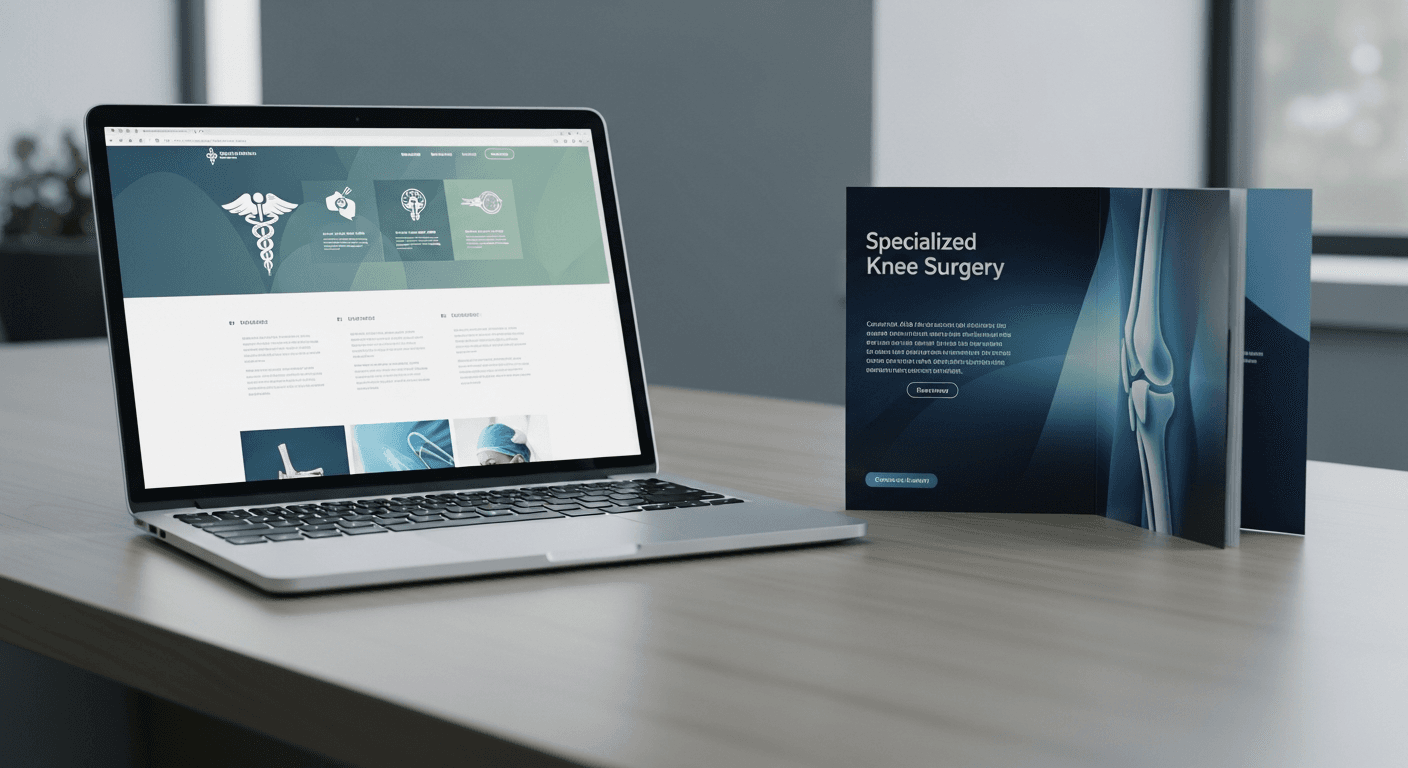
Nine times out of ten, the agency pitch sounds identical: rank for orthopedics, build a blog, buy some ads, collect a retainer. Meanwhile your competitor down the street has a dedicated page for robotic knee replacement that loads in under two seconds—and they did not need a dance trend to get there.
Patients do not wake up and search for orthopedics. They search for specific pain points. Knee replacement surgeon near me. Doctor for joint pain. ACL tear specialist. A homepage that lists every subspecialty in one paragraph reads like a hospital directory, not a surgeon they would trust with a major joint.
Template-churning agencies put fifty specialists on the same website skeleton, swap the logo, and call it digital marketing for orthopedic practices. Google sees the duplicate architecture. So does the patient who bounced in three seconds because the site looked like every other clinic in the market.
Our hot take stays blunt: paid ads are rent; mature SEO behaves more like a mortgage. Ads can buy placement tomorrow. Procedure-level organic pages compound for years once the map layer and site architecture stop fighting each other.
Sub-specialty silos: spine, sports medicine, and total joint are three patients

If a patient needs ACL reconstruction, they will not click a page talking about hip replacements. Sports medicine, spine surgery, and total joint are not menu items—they are separate funnels with separate search intent, separate recovery timelines, and separate trust signals.
A group that does spine and sports under one roof still needs URL siloing: /sports-medicine/acl-repair should not live inside a generic services accordion next to lumbar fusion copy. Each path needs its own H1, its own map category alignment, and its own consult booking flow.
To see how a dedicated platform automatically splits your sub-specialties into high-converting funnels, check out our tailored orthopedic patient acquisition suite.
Hospital-affiliated groups muddy the map with system branding. Independent surgeons win when each procedure page looks like the only place in town that does that surgery well—not a branch of something larger with a 1-800 number.
Procedure pages and map pack intent beat a content factory
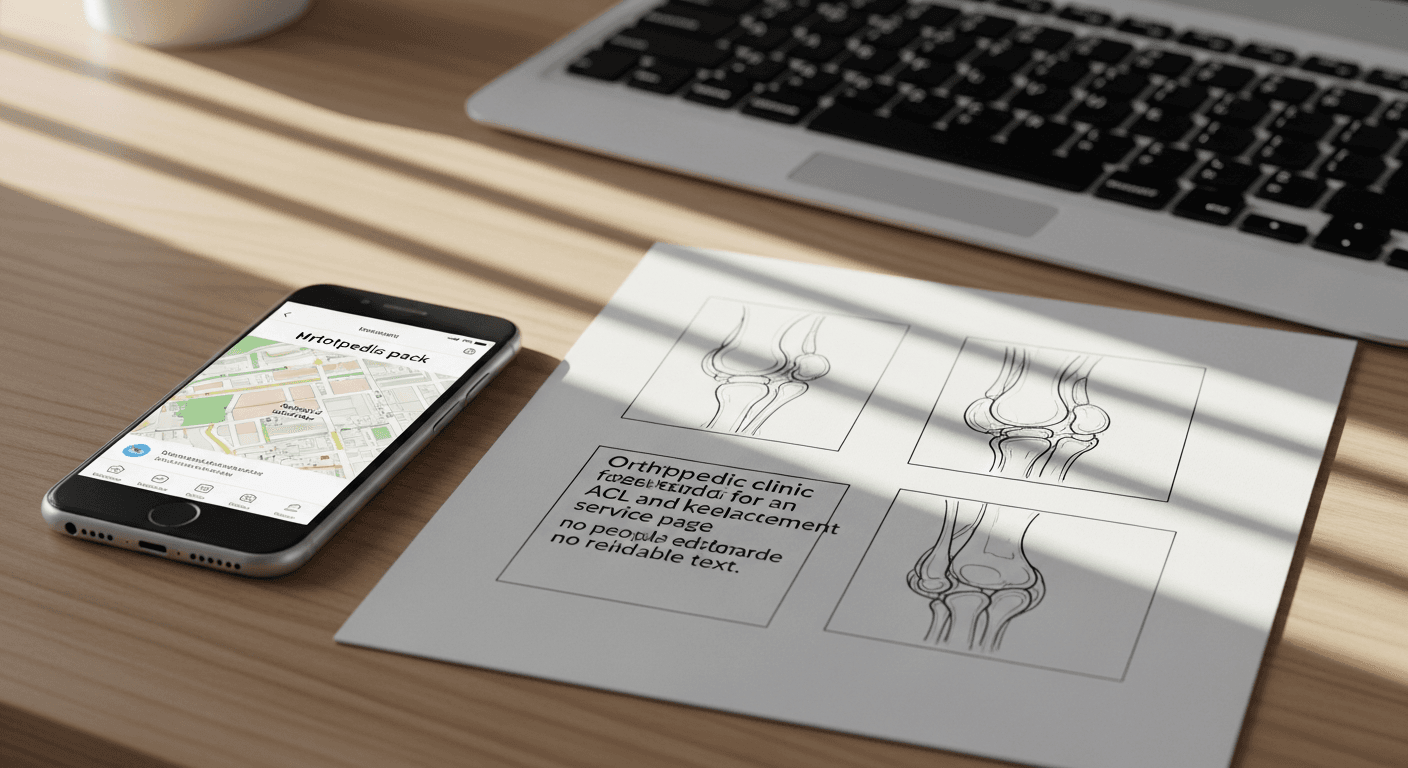
High-value procedures—total joint replacement, spinal fusion, ACL reconstruction—need dedicated, rapid-loading sub-pages that rank individually. Not one services page with twelve bullet points and a stock photo of a smiling model in scrubs.
Map pack clicks still gate the first handshake. Claim and complete your Google Business Profile before you fund a quarterly blog retainer. Align primary category, services, and hours with what the front desk actually says when the phone rings at 7 AM.
Official reference: Google documents verification and business information in their Business Profile Help Center. Fix that layer before anyone sells you medical SEO for spine surgeons as a standalone magic trick.
For the broader elective-surgery playbook—consult paths, visual trust, paid vs owned—see digital marketing patient acquisition for surgeons.
Owned site architecture: silos, internal links, and mobile trust

Someone facing major surgery judges competence from the website before they judge your fellowship line. A site that loads like it is still waiting on a prior auth while Maps sends traffic anyway is a conversion leak you cannot ad-spend past.
Build internal links from each procedure page back to your core hub and across related paths—a sports medicine patient with chronic knee pain may eventually need joint discussion. But do not collapse every intent into one URL and hope the algorithm sorts it out.
Older sites often carry digital plaque: widgets stacked on widgets until bandwidth narrows. That is the same chronic condition as a clinic website that suddenly stopped converting after a chat bot and a ten-megabyte hero photo went live. Audit load before you audit keywords.
For map-layer basics shared across specialties, read Google Maps for doctors and the orthopedic marketing software overview.
When we want you to fix the free stuff first

We once talked a surgeon out of a four-figure monthly retainer because his new suite was not verified on Google Maps. The postcard was on the front desk. He had not typed the five-digit code. We told him to finish verification, align his NAP with the site footer, and call back if the map layer still looked haunted. He was fine forty-eight hours later.
Monday morning panic calls happen too—a busy ortho clinic once lost high-value consults over a broken intake form while the schedule looked full on paper. Fix the pipes before you buy more traffic. If online booking is broken, SEO just sends patients to a dead end.
If you have not claimed the profile, merged obvious ghost listings, or looked at mobile load on your highest-margin procedure pages, spend thirty minutes there before you wire anyone a retainer. Read how it works when you are ready for custom build work—not template theater.
Straight answers

What are orthopedic SEO services in plain terms?
Help ranking in Google and Maps when patients search for specific pain points and procedures—not vague specialty labels.
Should we rank for orthopedics or procedure-specific terms?
Procedure-specific terms. Patients search for the problem they feel, not the word on your diploma.
How do we market spine, sports, and joint under one practice?
Strict URL siloing with dedicated service pages that rank independently on Google Maps—not one cluttered services dump.
Is local SEO better than PPC for elective orthopedic surgery?
Organic map rankings signal permanence and authority for high-trust elective work. Ads fill gaps short term; SEO compounds when the listing looks credible after the ad stops.
Do we need separate pages for ACL repair vs hip replacement?
Yes. Intent splits cleanly—a torn ACL patient will not click hip replacement copy, and neither should rank from the same thin page.
When should a solo orthopedic surgeon rebuild the site before SEO?
When the site is five-plus years old, shares a template with dozens of other clinics, or loads painfully on mobile. Rebuild first so traffic does not bounce.
When should we hire an agency vs fix Maps ourselves?
Fix free wins first. Hire when sub-specialty silos, procedure pages, and intake routing need custom work you cannot staff between OR days.
Google publishes a calm overview of search fundamentals in the SEO Starter Guide. Use it when an agency PDF smells like toner and fear.
To see how a dedicated platform automatically splits your sub-specialties into high-converting funnels, check out our tailored orthopedic patient acquisition suite. Go finish your charting. If the map layer still looks wrong after the free fixes, book a discovery call on pricing.