

Diagnosis: you are probably overpaying for clicks and under-investing in the free map layer patients actually trust before major joint surgery.
Most listicles tell you to post on social and buy more ads. Few walk through why knee surgeon PPC hits $20–$30+ per click when a health system shares your ZIP code—or how to capture joint pain searches on Google Business Profile before you write another retainer check. For site architecture and siloing, read our orthopedic SEO services guide. This page stays on economics and local capture for total joint.
Why knee surgeon PPC clicks hit $30 before you book a consult

Let's look at the math. A patient types knee replacement surgeon near me or best knee surgeon. Google runs an auction. Your independent group bids. So does the hospital system, the ambulatory surgery center they own, and sometimes a third affiliate listing with the same 1-800 number wearing a different logo.
In competitive metros, cost per click on those terms often lands between $20 and $30 or higher—not because Google hates surgeons, but because enterprise health budgets treat orthopedics like a land grab. Fifty clicks at $25 is $1,250 before anyone fills out a form. If your landing page is a generic services page and intake puts them on hold, that is not marketing. That is an expensive busy signal.
We once audited a clinic quoted $3,000 a month for a comprehensive package. Under the hood: a few hundred dollars of actual Google Ads and the rest in management fees for a template site shared with dozens of other practices. They were paying rent on clicks and rent on the agency—double lease, zero equity.
Ad spend should be strictly separated from agency fees. You pay Google directly for media; you pay us for strategy and build. Agencies that bundle everything into one invoice are often skimming the line item you actually care about: booked joint consults.
Google documents healthcare and medicines advertising rules in their Healthcare and medicines policy. Read it before someone promises unlimited knee leads in thirty days.
Google Business Profile checklist for joint pain radius searches
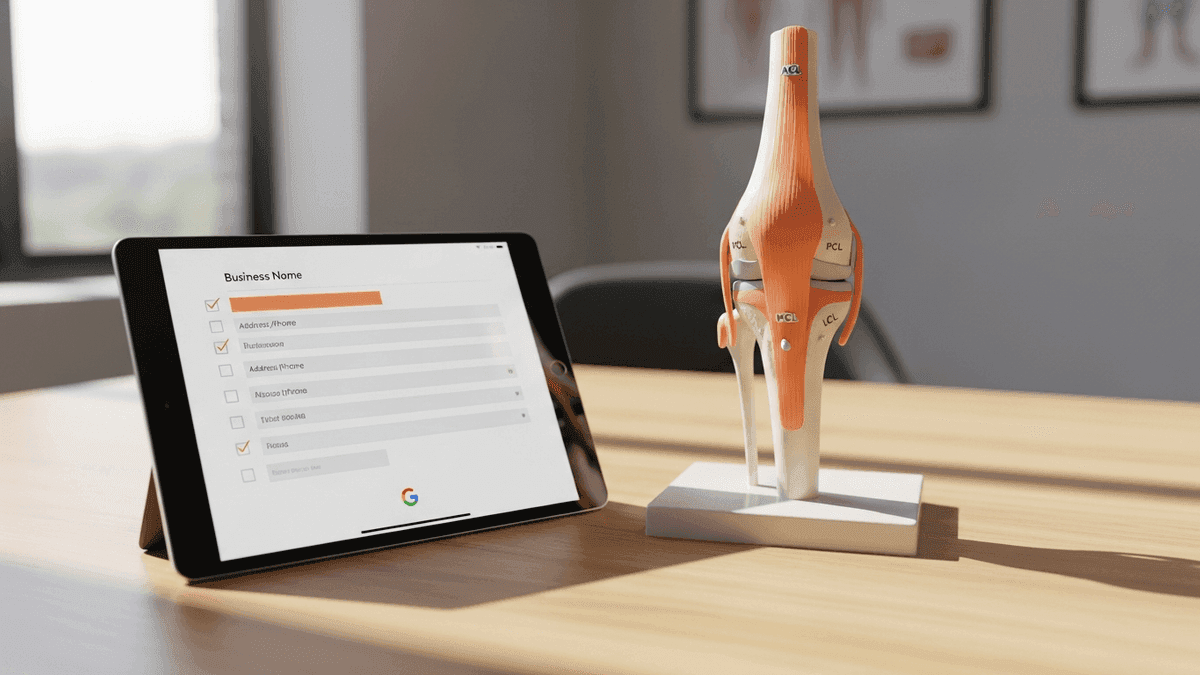
Patients with grinding knee pain do not start with your fellowship CV. They open Maps, type doctor for joint pain or knee replacement near me, and tap the first credible pin inside a twenty-minute drive. Your Google Business Profile is the triage desk for that moment.
Work through this checklist before you increase PPC:
- Primary category aligned to orthopedic surgery—not a vague medical clinic label that hides joint work.
- Services listing total knee replacement, total hip replacement, partial knee, and robotic-assisted joint when you actually offer it.
- Service area drawn to the radius you will realistically consult—not the whole state because the dropdown allows it.
- Hours and phone matching the front desk script; map callers hang up fast when the recording disagrees with the website footer.
- Q&A seeded with plain-language joint pain questions patients already ask your MA: Do I need a referral? Do you offer second opinions on knee replacement?
- Photos of your clinic, imaging hallway, and recovery education space—real rooms, not stock models pointing at clipboards.
- Review workflow that asks total joint patients specifically; a five-star generic nice doctor review helps less than knee replacement changed my walk.
- Duplicate listings merged so three old addresses are not splitting your authority like ghost clinics from an associate who left in 2019.
Google's Business Profile Help Center is the official field guide. For cross-specialty map basics, see Google Maps for doctors.
Grow your orthopedic practice without broad keyword burn
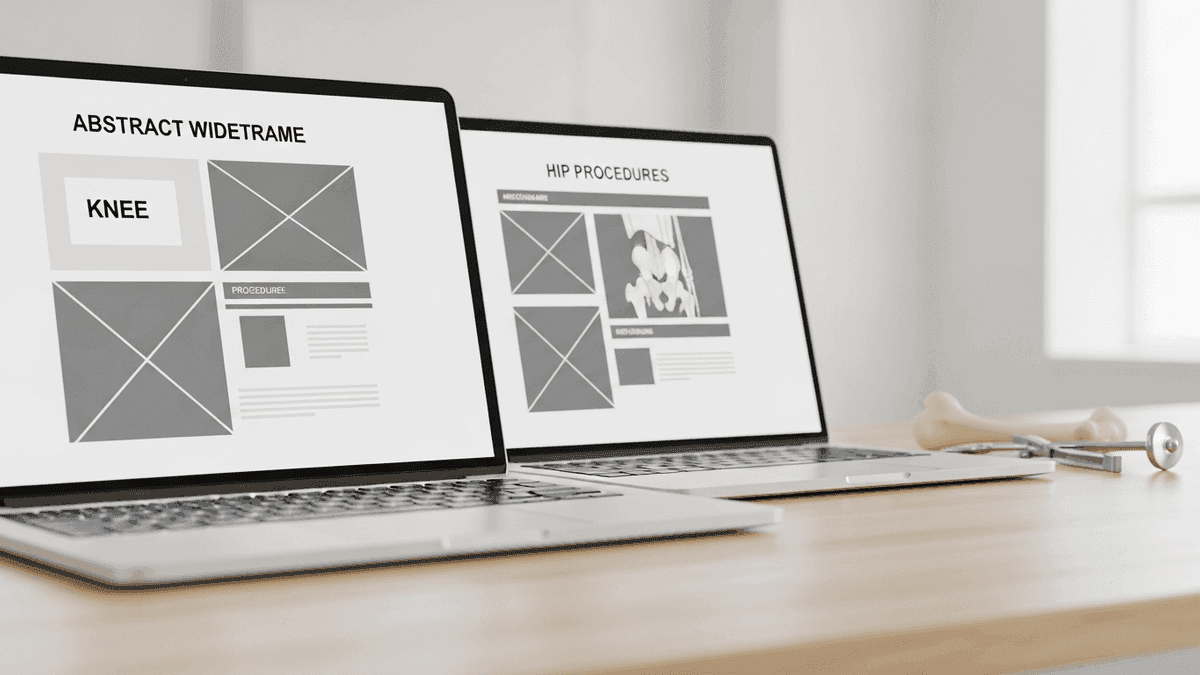
To grow an orthopedic practice on joint volume, stop buying bone doctor clicks. Sports medicine, spine, and total joint are different patients with different search terms and different OR schedules. Collapsing them into one ads account and one services page is how independents fund hospital keywords by accident.
Build dedicated paths for total knee and total hip—separate URLs, separate map service lines, separate consult forms that ask the right intake questions. A weekend warrior with an ACL tear should not land on robotic knee replacement copy; neither should your ad budget.
If you must run PPC while organic compounding, send spend only to those procedure pages—not the homepage trophy wall. Match ad copy to landing copy. Mention recovery timeline, imaging expectations, and how consults get scheduled. Major joint patients need reassurance, not a generic accept most insurance banner.
For how solo clinics should think about account structure and fee separation, read healthcare PPC management for solo providers.
Orthopedic patient acquisition cost: rent vs equity

Orthopedic patient acquisition cost only makes sense when you separate the channel. Paid search for knee and hip terms behaves like rent: the moment you stop paying, visibility vanishes. Owned Maps rankings and procedure pages behave more like equity—they take months to compound, but they keep sending consults after the campaign pauses.
Our blunt take: PPC is rent; SEO is a mortgage. Ads can fill empty consult blocks next quarter. A verified profile, clean citations, and fast TKA landing pages still work when the hospital outbids you on the same keyword next month—because map pack and organic results are a different shelf in the store.
Track what matters: consults booked from map clicks, form fills on joint pages, and phone calls tagged by source—not impressions on a PDF nobody opened. Vanity metrics do not pay for implant trays.
When you are ready to see how procedure funnels split automatically instead of living in one cluttered services dump, tour our orthopedic marketing software stack on the providers page.
When we want you to fix the free stuff first

We once talked a surgeon out of a four-figure monthly retainer because his new suite was not verified on Google Maps. The postcard was on the front desk. He had not typed the five-digit code. We told him to finish verification, align his name address and phone with the site footer, and call back if the map layer still looked haunted. He was fine forty-eight hours later.
Monday morning panic calls happen too—a busy ortho clinic once lost high-value consults over a broken intake form while the schedule looked full on paper. Fix the pipes before you buy more traffic. If online booking is broken, joint replacement marketing just sends patients to a dead end.
If you have not claimed the profile, merged obvious ghost listings, or tested mobile load on your total knee page, spend thirty minutes there before you wire anyone a retainer. Read how it works when you need custom build work—not another auction against the hospital billboard.
Straight answers

How much do Google Ads cost for knee replacement surgeons?
High-intent knee and hip terms often run $20–$30+ per click when hospital networks bid the same keywords. Dozens of clicks can exhaust a solo monthly cap before one consult books.
What is joint replacement marketing for independent practices?
Capturing total knee and hip consult intent locally through GBP, procedure pages, and owned search—not broad bone doctor keywords hospital systems already outbid.
How do I grow my orthopedic practice without burning ad budget?
Split funnels by procedure, rank for joint pain on Maps, and send paid traffic only to dedicated TKA and THA landing pages.
What should be on my Google Business Profile for joint pain searches?
Orthopedic surgery category, joint replacement services, accurate hours, joint-pain Q&A, real clinic photos, and reviews that mention knee or hip outcomes.
Is SEO or PPC better for total knee and hip cases?
PPC fills gaps short term; owned Maps and procedure SEO compound for high-trust elective surgery. Most independents need both, but organic visibility breaks the hospital auction cycle.
When should an orthopedic group hire a marketing agency?
After GBP is verified, duplicates are merged, and intake can answer joint consult calls without a ten-minute hold.
How do hospital systems affect local orthopedic advertising costs?
Centralized health system budgets bid up the same surgeon keywords and flood Maps with affiliated listings—inflating CPC for independents.
Google publishes core web performance guidance on web.dev Core Web Vitals. Slow joint landing pages leak consults you already paid to acquire.
Stop burning your marketing budget on expensive pay-per-click bidding wars. Discover how our orthopedic marketing agency engine helps independent practices outrank local hospital systems organically. Go finish your charting. If the map layer still looks wrong after the free fixes, book a discovery call on pricing.