

Diagnosis: audit public PHI leaks before you license more software.
HIPAA-compliant tools for podiatrists span intake, booking, messaging, reviews, and marketing automation—not just the EHR your vendor demoed at a conference. Independent foot and ankle groups touch PHI in wound photos, DME orders, surgical scheduling notes, and the Monday morning inbox when a patient replies to a recall text with a picture of their dressing. For the site build layer, see web development for podiatrists. For owned search, see SEO and content marketing for podiatrists. For specialty context, see our podiatry marketing overview. If you need execution across web, SEO, and intake infrastructure, see our podiatry patient acquisition platform. This page stays on compliance ops.
Audit public surfaces before you buy software
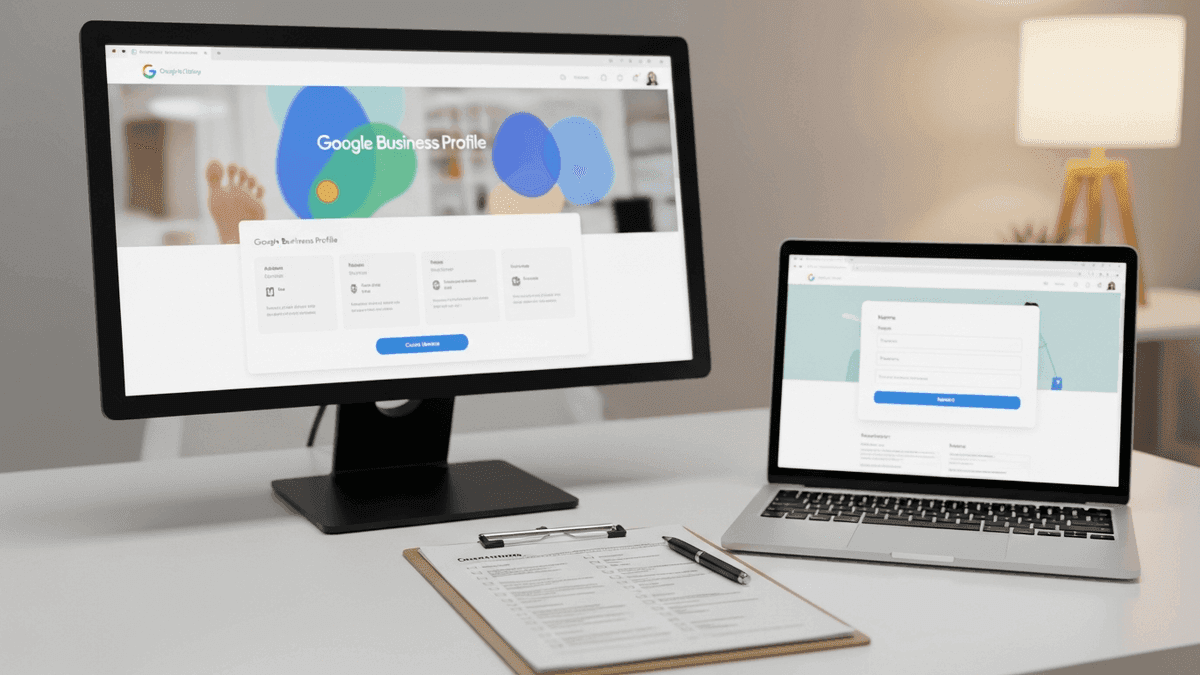
Nine times out of ten, the compliance gap is not missing a fancy platform. It is a public surface that behaves like a charting module. Google Business Profile Q&A threads, website contact forms, live chat widgets, and third-party directories can collect symptoms, photos, or appointment details without encryption or a business associate agreement. That is digital triage in the wrong room.
Start with a walk-through a patient would take: search podiatrist near me, tap your listing, land on your site, click book or contact. Every field that could hold a diagnosis, medication list, wound description, or insurance ID is PHI-adjacent. Map pins and hours are marketing. Medical history text areas are clinical. Keep them separate like you keep sterile and non-sterile fields separate in clinic.
Ghost listings that fork your phone number are a discovery problem and a compliance headache—patients leave voicemails with clinical detail on the wrong inbox. Merge duplicates before you debate which CRM badge looks best on a sales deck. For map hygiene basics, see local SEO for doctors.
Intake, booking, and the BAA line
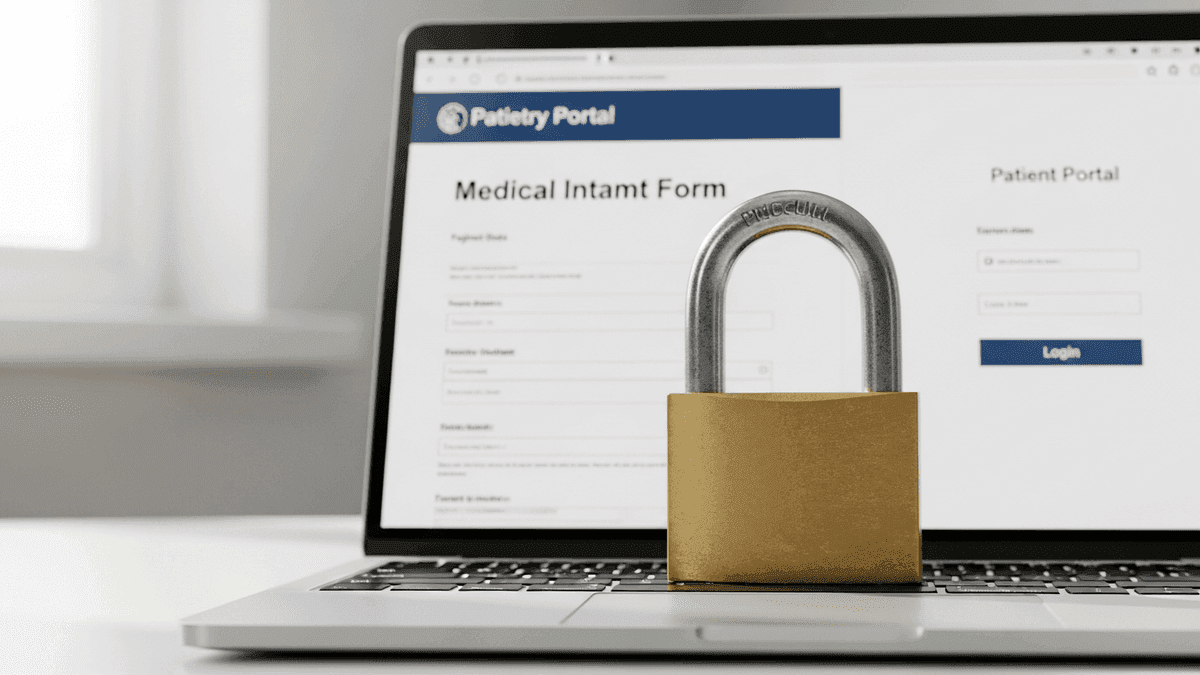
HIPAA compliant podiatry intake forms live behind vendors that sign a BAA, encrypt data in transit and at rest, and hand off to your EHR or staff workflow—not a generic WordPress plugin called Easy Forms that emails PDFs to a shared front-desk inbox. Tweaking website colors on the weekend is fine. Hooking an unencrypted contact form to collect diabetic foot histories is the gas line. Do not touch the gas.
Online booking for same-week evals, established follow-ups, and surgical consults should route through a HIPAA-compliant scheduling layer when the flow captures reason for visit, prior procedures, or implant details. A marketing-only "request appointment" form with name and phone is different from "describe your wound." Label the boundary on the page so staff and patients know when they have left the brochure and entered clinical intake.
Your EHR vendor's BAA does not automatically cover every widget on your site. That is a common vendor hand-wave in demos. Ask for the agreement in writing for each tool: form builder, scheduler, chat, fax bridge, patient portal embed. If they will not sign, the tool stays on the marketing side of the wall. The HHS HIPAA regulations hub is dull reading—shorter than most prior auth forms, which is not saying much.
Patient messaging, reminders, and post-op follow-up

HIPAA patient messaging foot and ankle practice workflows include recall for diabetic foot exams, pre-op prep for bunion or hammertoe surgery, and post-op check-ins when a patient might reply with a photo of their incision. SMS lock screens show previews to spouses, teenagers, and anyone glancing at a shared family phone. Write messages that assume the neighbor can read the first line.
Monday morning, late 2023: a multi-location ortho-adjacent foot and ankle group called in a panic. Their online intake bridge had broken over the weekend and high-value surgical consults were vanishing into a dead API connection. Our dev team rebuilt the handoff to their EHR in under two hours. The lesson was not heroic support—it was that intake and messaging tools are load-bearing walls, not decorative widgets you set and forget between OR days.
Consent matters. Automated reminders are not an excuse to blast diagnosis labels. "Your appointment tomorrow at 2" is fine. "Your diabetic ulcer follow-up" on a lock screen is a privacy event waiting for a complaint. Use a messaging vendor under BAA, document opt-in language, and train staff to escalate clinical threads to the portal or phone—same as you would not finish a wound exam in the waiting room loudspeaker.
Reviews, social DMs, and public replies

HIPAA compliant review responses podiatrist teams write boring replies on purpose. A patient who names their bunion procedure and surgeon in a Google review has not given you permission to confirm treatment in public. Thank them, offer an offline path, never argue clinical details where the algorithm and the neighbor can read along.
Social DMs and comment threads are the same trap with a different skin. "Is my dressing okay?" under a clinic photo is not a telehealth visit. Move it to secure channels. For platform-specific social ops, see social media management for podiatrists. For broader reputation triage, see online reputation in healthcare.
Diabetic foot care PHI boundaries marketing show up when practices want to celebrate wound-healing outcomes online. Education is fine. Identifiable feet are not. Staff selfies from clinic, schedule screenshots, and victory laps with patient names are compliance events dressed as marketing wins. Use a review workflow before anything public goes live—same discipline as signing an order.
Marketing automation, analytics, and ad pixels

CRMs, email blasts, retargeting pixels, and chatbots that store chief complaint text can become PHI repositories without anyone updating the compliance spreadsheet. If your automation tags a contact as "hammertoe surgical consult" and syncs to an ad platform, you are no longer doing generic local marketing—you are moving clinical labels through rent channels.
Default posture: marketing tags on location, hours, and non-clinical pages; diagnosis capture only through HIPAA-compliant vendors with BAAs. Separate ad spend from agency fees. You pay Google or Meta directly for clicks; you pay your agency for strategy. Bundled invoices hide skim and make it impossible to audit what a lead actually cost—our opinion, and we are not retracting it.
Light pages rank better and bleed fewer map clicks. Heavy tracking scripts slow load and widen the attack surface. For performance basics without turning this into a vendor pitch, see Core Web Vitals guidance. Speed is not a HIPAA tool, but a slow intake path sends patients back to the hospital directory while your pixel fires anyway.
Vendor audit: who needs a BAA

BAA requirements podiatry software vendors are not mysterious if you ask one question: could this system receive, store, or transmit identifiable health information? If yes, you need a signed business associate agreement, access controls, and an offboarding plan when you switch vendors. If no, keep it on the marketing side and stop letting sales reps blur the line because the dashboard looks clinical.
Practical audit list for foot and ankle groups: EHR and PM system (yes), patient portal (yes), online scheduling with reason-for-visit fields (yes), secure messaging and recall SMS (yes), marketing form builders that collect histories (yes), generic email marketing on name and email only (usually no, until you segment by diagnosis), review response tools that store patient names tied to visit dates (yes), cloud fax and referral direct messaging (yes), analytics that ingest form fields with symptoms (treat as yes until proven otherwise).
Document who owns admin credentials. A recurring discovery-call nightmare: the last agency registered the domain and the review tool under their email. That is hostage-taking with extra steps. Clinics should own every login from day one. When you terminate a vendor, export what you are allowed to export and confirm data deletion in writing. For builder and template infrastructure adjacent to this layer, see doctor website builder and medical website templates—different URLs, same ownership rule.
When not to hire us yet

Do not hire us—or anyone—to "fix HIPAA marketing" if public forms still collect wound histories without encryption, if review replies confirm who was treated, or if ghost listings fork your main line while surgical blocks are already full. Compliance before traffic. Always.
If the schedule is packed and marketing would lie about capacity, fix honesty before funnels. If the front desk sends clinical threads to personal phones, fix workflow before automation. If your EHR integration is held together by a single vendor login nobody remembers, fix the burst pipe before you add another hose. We make money when the work is real—not when we sell fear.
When the map is clean, intake routes through signed vendors, and you have eval room, read how it works or book a discovery call on pricing. Until then, run the audit yourself. It is cheaper than an OCR letter.
Straight answers
What are HIPAA-compliant tools for podiatrists in plain terms?
Vendors and workflows with encryption, access controls, and signed BAAs—not a logo parade. The stack spans intake, booking, messaging, reviews, and automation, each with a clear PHI boundary.
Does my EHR BAA cover website forms?
Usually no. Each marketing-side vendor that touches PHI needs its own agreement in writing.
Can we text patients about wound dressings?
Yes, with consent, a BAA-covered messaging vendor, and previews that assume shared phones. Move detail to the portal or phone.
How should we reply to reviews that mention treatment?
Generic thanks, offline contact path, never confirm identity or outcomes in public.
Do ad pixels need a BAA?
If they capture health-related data tied to a person, treat them as PHI-adjacent. Keep diagnosis intake behind compliant vendors.
HIPAA tools vs HIPAA marketing?
Clinical tools live inside covered workflows. HIPAA marketing is the public boundary—Maps, ads, reviews—where you never confirm who was treated.
When fix compliance before hiring an agency?
When forms, replies, or listings leak PHI. Fix the leak before you fund traffic.
For breach response expectations, the HHS breach notification guidance is the authoritative reference—not a blog post from a CRM vendor.
We tell podiatrists when to keep charting instead of signing a compliance retainer they do not need yet. Go finish your charting. When the audit is done and the boundaries still leak, we will say so—even when the answer is boring.
Want this implemented for your clinic end-to-end? Explore ourpodiatry patient acquisition platform.