

Diagnosis: treat medical website templates as intake forms, not wall art—map and booking first, cosmetics second.
This guide is for physicians comparing medical website templates against same-intent searches like physician website design, medical practice website design, and create a medical practice website. For platform selection and builder workflows, read our doctor website builder guide—it covers infrastructure; this page covers template triage and customization order.
When a template is enough—and when it is a leaking bucket
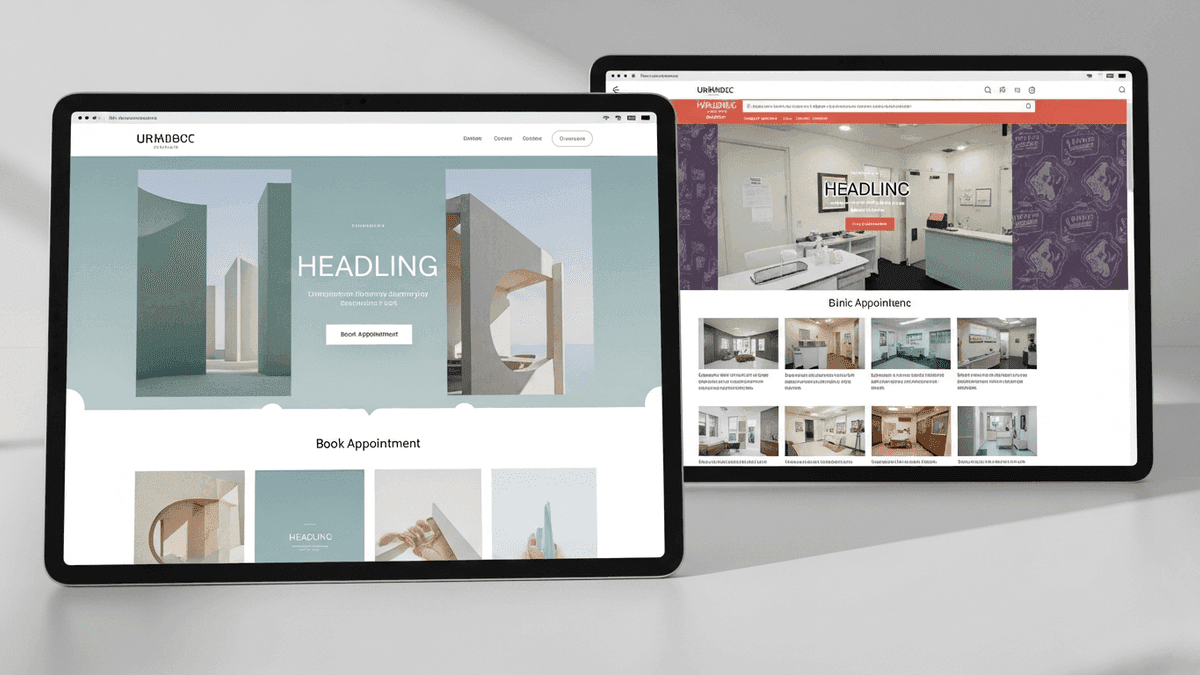
A fresh solo practice with a clean Google profile and a two-tap booking path can launch on a solid healthcare website builder theme and look credible in a week. That is honest digital triage, not laziness.
Rebuild before you shop for prettier skins if the site is five-plus years old and mobile still fights you. Pouring SEO budget into a slow bucket is how clinics burn retainers while the phone stays quiet. Family medicine groups with heavier panel logic should also read web development for family medicine for map-first build order.
Duplicate templates and local SEO: the forty-dentist problem
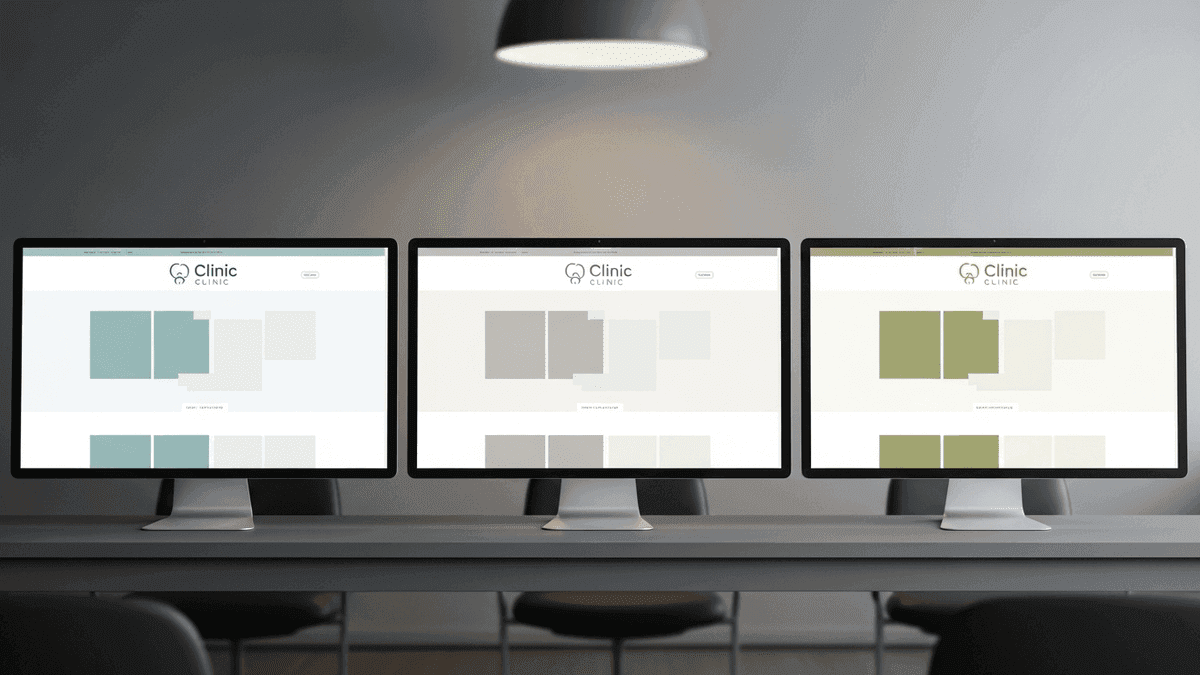
Template-churning agencies are a scam in plain clothes: same theme, new logo, $2,000/month, and a prayer. Google's algorithm is not sentimental about duplicate layouts paired with thin copy. Your best website for doctors is not the one with the most demo pages—it is the one patients can tell apart from the clinic next door.
A specialized dental clinic once showed us a $3,000 monthly package that was mostly management fees on a template shared by forty other dentists—$500 of real media, the rest markup. We separated ad spend from agency labor, rebuilt the funnel for organic search, and cut blended acquisition cost by 60%. Same skin, different outcome, because the ops layer changed.
Booking, map, and service pages before the rebrand

Marketplaces sell medical website templates with appointment widgets and HIPAA badges in the screenshot. None of that matters if your map listing still shows an old suite number and your service pages use internal ICD language patients never type.
Claim and complete your Google Business Profile before you debate serif versus sans-serif. Match name, address, and phone to the site footer. Build one page per patient intent—knee pain, well-woman, DOT physical—not one "services" blob. Visibility mechanics live in local SEO for doctors.
Speed, weight, and digital plaque on template sites

Nine out of ten slow clinic sites have the same chronic condition: digital plaque. A chat widget here, a 10MB lobby photo there, three tracking scripts from a conference booth—and the template that advertised "fast" now loads like it is waiting on prior authorization.
Let's look at the math. Once load time drifts beyond three seconds, bounce can climb around 40%. That is four out of ten prospective patients leaving your digital waiting room. Compress images after export, defer nonessential scripts, and test on real phones—not just the marketing laptop on fiber. Benchmarks live in web.dev Web Vitals.
HIPAA, forms, and who owns the keys

A HIPAA compliant website builder label on a theme preview is not a business associate agreement. Keep marketing contact forms separate from clinical intake. Route medical history through approved systems, not a generic plugin you installed between cases.
Ownership matters as much as encryption. If the agency holds your domain, analytics, or ad accounts in their name, you are renting your own front door. HHS publishes the baseline in HIPAA for Professionals. Read it before you paste a medical history field into a Wix block.
When not to hire us yet
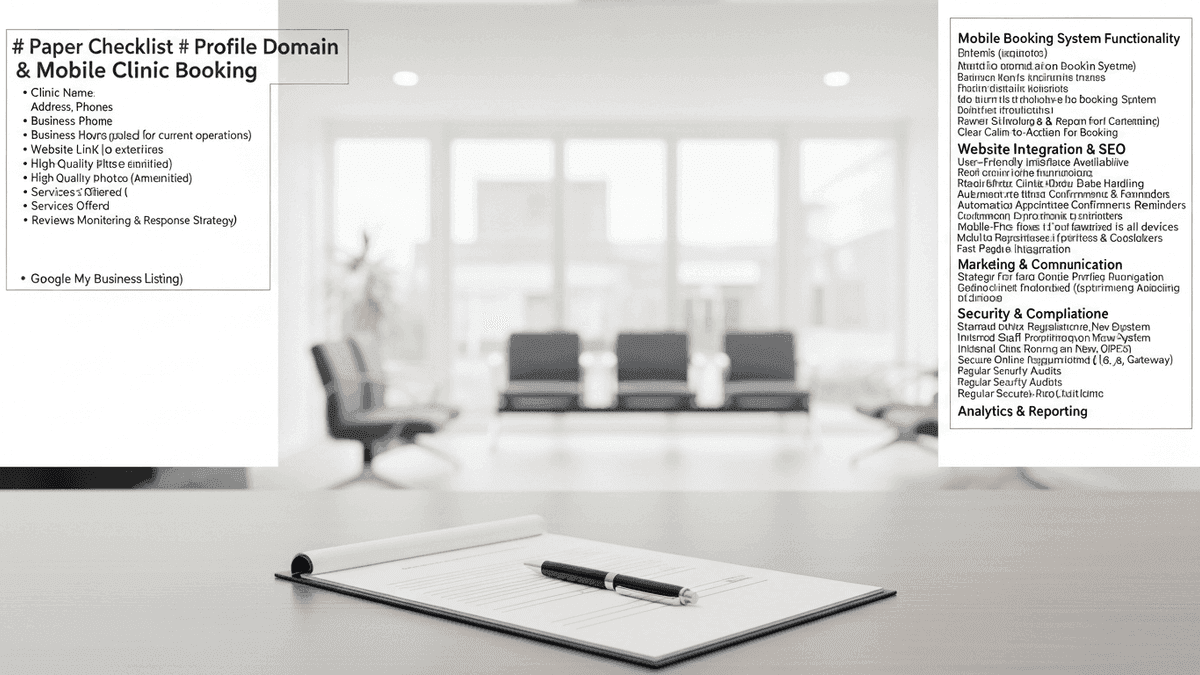
If you are still browsing medical website templates while your map pin is unclaimed, your domain sits in an agency account, or mobile booking throws an error, keep the retainer in your pocket. That afternoon of digital triage beats another theme demo.
Transparent pricing only helps after the plumbing works. See how it works when you are ready for sequencing—not before the free fixes ship.
Straight answers
Are medical website templates good enough for a solo practice?
Often yes at launch if booking, services, and map data are customized first. Go custom when the site is old, slow, or a shared agency skin.
Do shared templates hurt rankings?
Duplicate structure plus thin copy hurts more than the theme marketplace badge. Differentiate pages and listings, not just the logo.
What should I customize first?
Google Business Profile, phone and booking paths, then one service page per intent. Colors last.
How fast should the site load?
Under three seconds on mobile. Past that, you can lose roughly 40% of visitors to bounce.
Are marketplace templates HIPAA compliant by default?
No. Architecture, agreements, and data flow decide compliance—not the skin.
Who should own the domain?
The practice. Always. Agencies register domains in their name to create lock-in.
When should we hire help?
After map, domain, and mobile booking are stable. Before that, DIY triage wins.
Since 2016 we have helped scale 412 clinics with a 92% retention rate because we would rather tell you to fix the free stuff than sell another shared skin. Go finish your charting. When the template workflow is boring and reliable, book a discovery call on pricing.