

Diagnosis: pick the door that matches the job, not the calendar slot that looks easiest.
If you are still building a short list of clinicians, start with our find a doctor near me guide. If you already know who you want and need help with booking, the for patients page explains how Patients Finder fits in. The Blogs for Patients hub collects the rest of these navigation guides.
When telehealth fits the visit
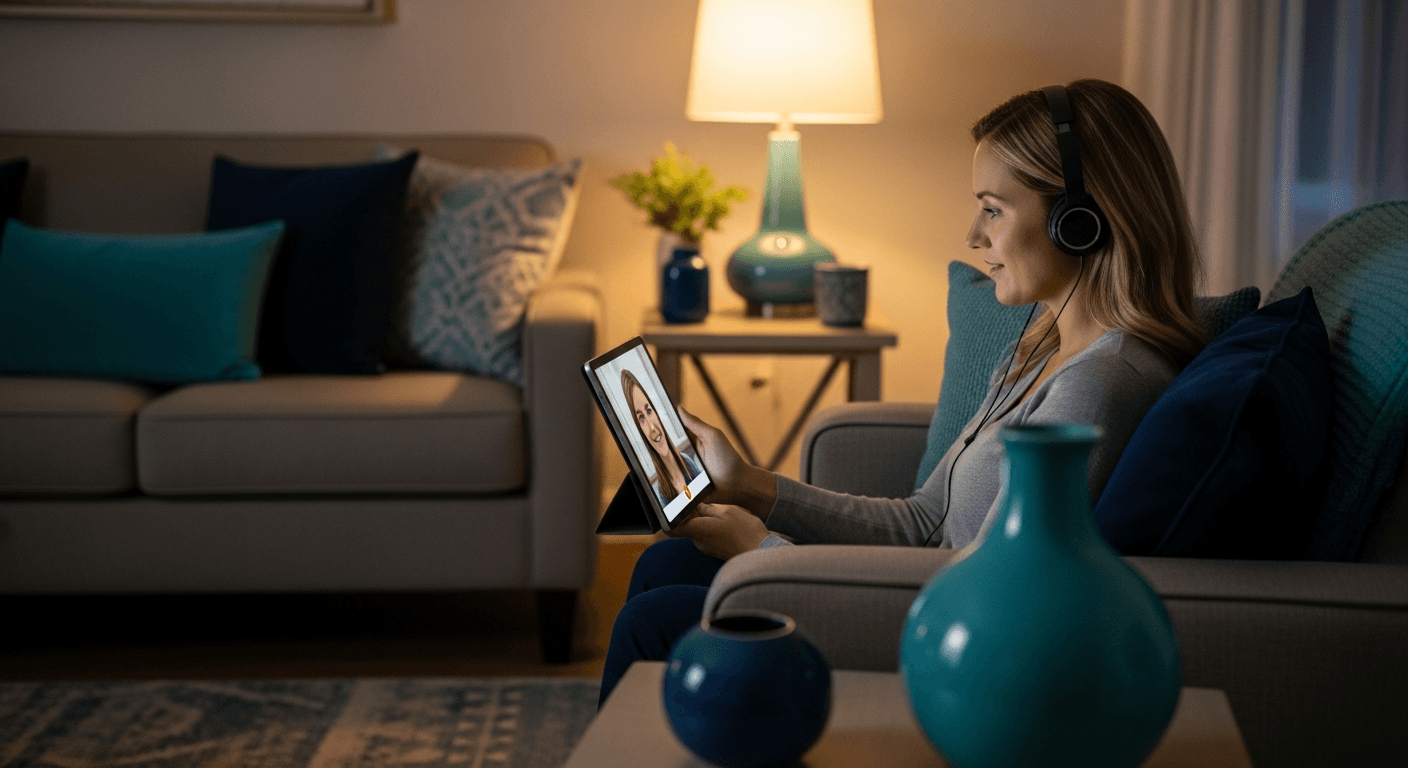
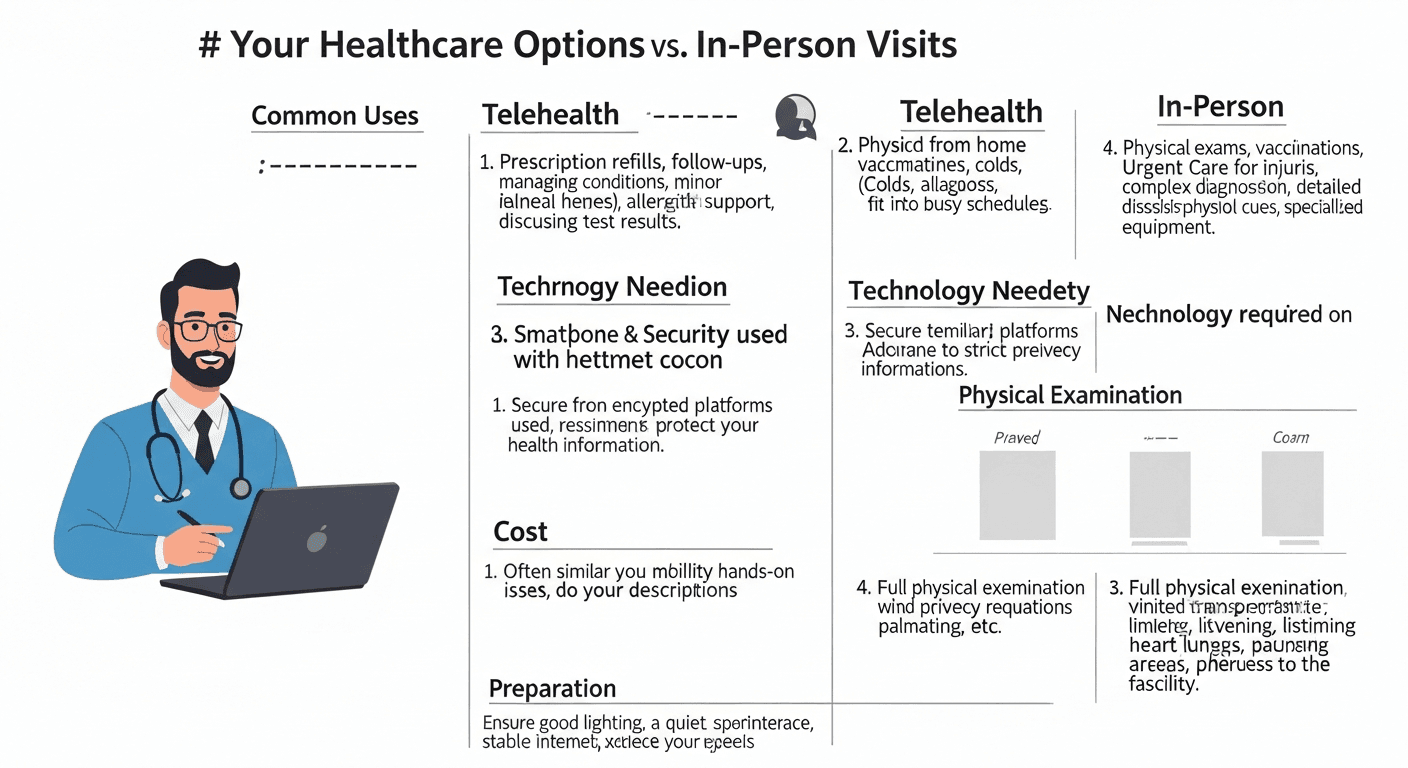
Telehealth shines when the question is mostly history and decision-making: follow-up on labs your clinician already ordered, medication adjustments for stable conditions, mental health check-ins when your therapist or psychiatrist offers video, or quick questions where a physical exam is not the missing piece.
Federal telehealth resources at telehealth.hhs.gov describe telehealth as remote clinical care and list common formats like live video and patient portals. Use that as a sanity check on what “telehealth” means on your plan, then confirm with the office because clinic workflow beats a generic definition.
Practical rule: if you could answer the clinician’s questions without them touching you, a video slot may be enough. If the answer is “they need to look in your throat,” you already know where this is going.
When the office still wins
In-person visits still own anything that needs a physical exam, a vaccine in the arm, a strep swab, an EKG, imaging, or a procedure. New symptoms that might signal something serious also deserve a lower threshold for showing up in person unless your plan’s nurse line or clinician explicitly directs otherwise.
MedlinePlus covers telehealth basics—including how remote visits work and questions to ask—in plain language on its telehealth overview page. It is not a substitute for your own clinician’s advice, but it is a decent second opinion on what “see someone today” can mean.
If you are unsure, call the office. Ask plainly: “Is this symptom set something you want to see in person first?” If they say yes, believe them. The waiting room beats the wrong kind of surprise.
Hybrid paths: labs, imaging, and follow-ups
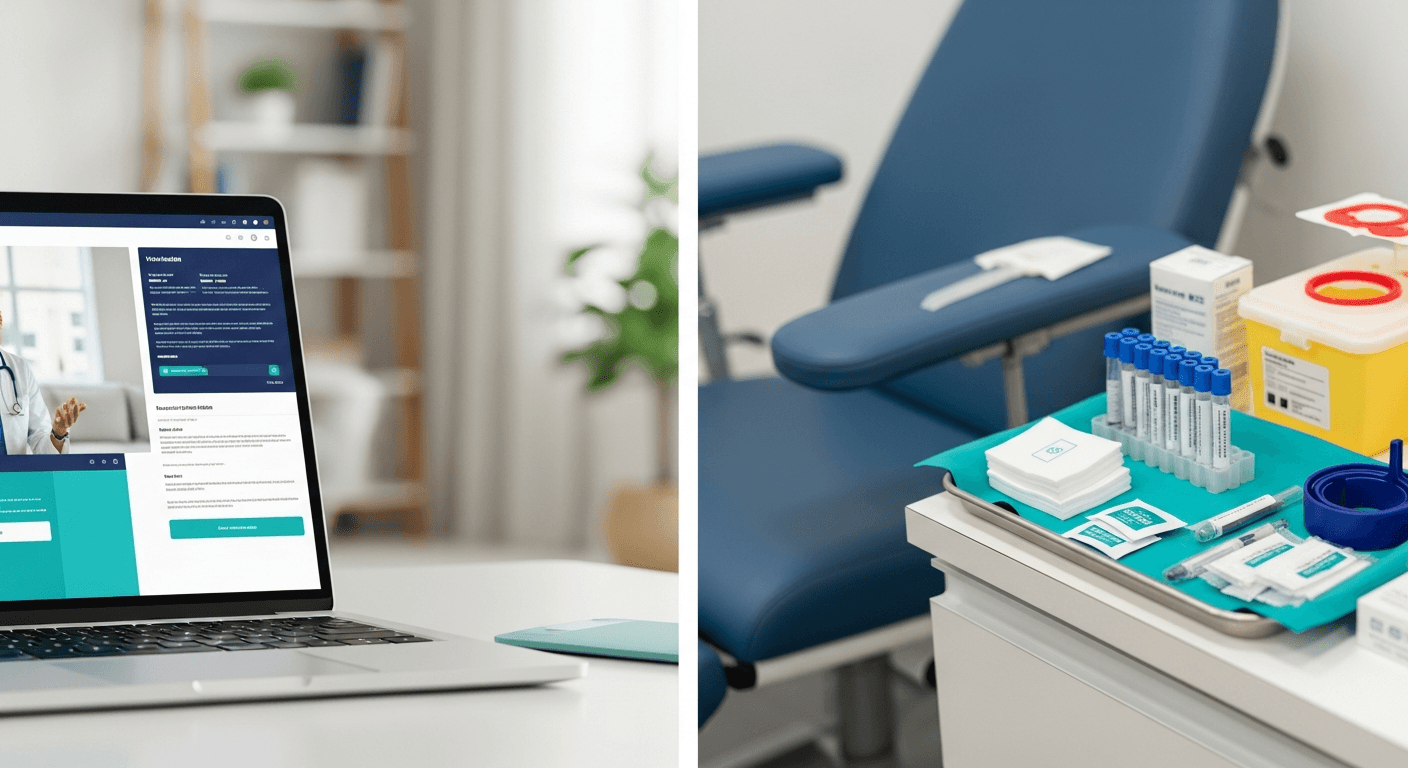
Real life is hybrid. You might do a video visit, then get orders for blood work at a lab, then review results on the portal. Or you might be seen in person once, then manage stable follow-up online. The bottleneck is rarely philosophy; it is logistics and who can bill what under your plan.
Ask two boring questions early: where do tests get drawn or scanned, and who calls you if a result is abnormal. A telehealth visit without a clear handoff is how people float in the system with half-finished errands.
For same-day physical access when video is not enough, our walk in clinic near me guide covers retail clinics and triage language. It pairs with this page when “not telehealth” still does not mean “emergency room.”
Privacy, equipment, and small housekeeping
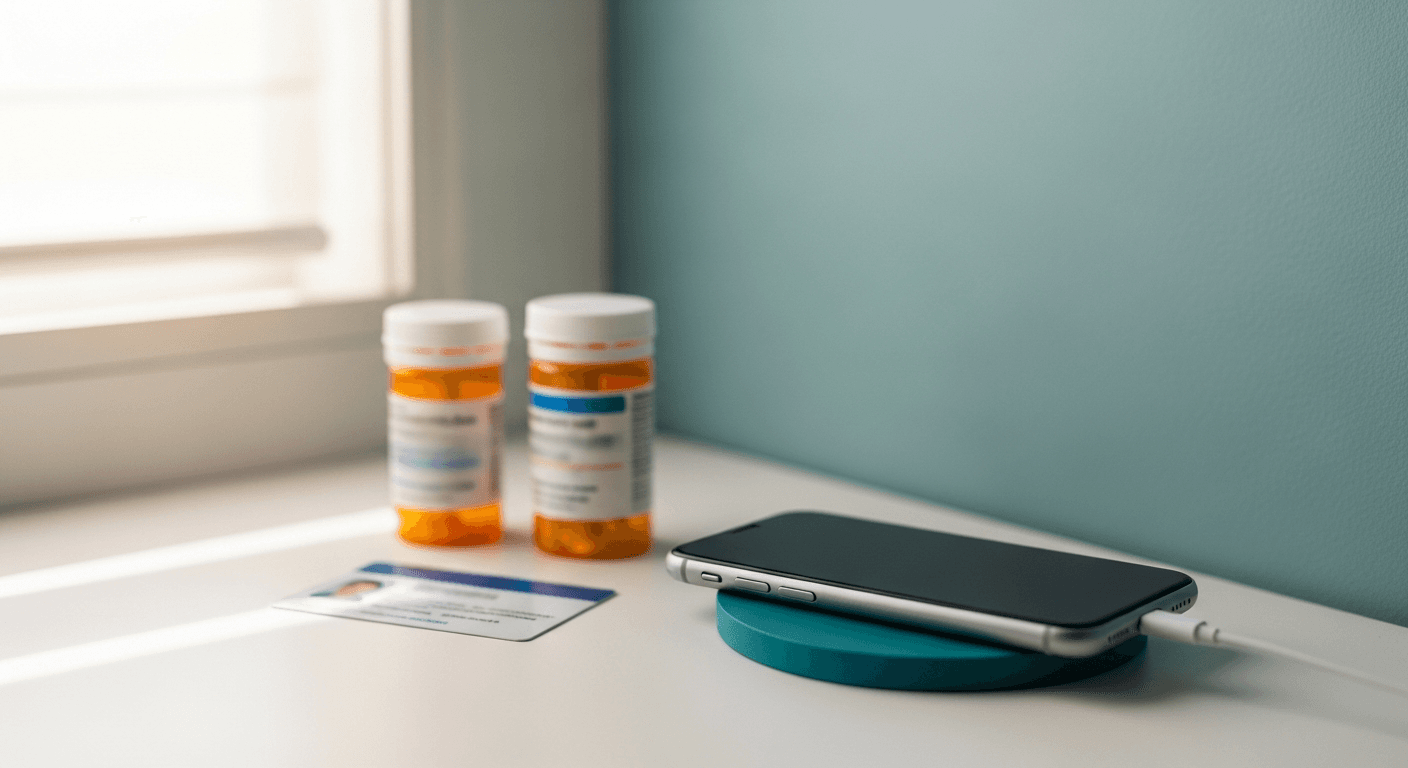
Pick a private corner. Charge the device. Write down three bullets: what changed since last visit, what you need from the appointment, and your pharmacy details. If the visit involves a rash or a wound, test your camera lighting before you are live and half shadowed like a budget horror film.
Use a private network when you can. Avoid checking in from a coffee shop unless you have no alternative. You do not need a studio setup; you need enough signal that the clinician can hear you without repeating every third sentence.
When not to hire us: if you are actively short of breath, bleeding heavily, or having stroke-like symptoms, close this tab and call emergency services. Patients Finder appointment help is not a triage hotline.
When to skip the debate and get help now

Telehealth versus in-person is the wrong question when time matters. Crushing chest pain, sudden neurologic deficits, severe trauma, pregnancy complications your plan flags as urgent: those scenarios need emergency or urgent pathways, not a video queue.
If you are choosing between “video today” and “office next month” for something worsening, call the office or your plan’s nurse line and say so plainly. Politeness is fine. Understatement is not a virtue when symptoms are accelerating.
Once you are stable and scheduling routine follow-ups, circle back to how to compare doctors so the next visit—virtual or not—lands with the right clinician.
Straight answers
Is telehealth as good as an in-person visit for every problem?
No. It works well for many follow-ups and stable issues. It is the wrong tool when you need an exam, a procedure, or same-day testing.
When should I choose in-person instead of telehealth?
Choose in-person for new severe symptoms, anything needing a physical exam, or when the office tells you they must see you in the room.
Can I use telehealth for a new specialist?
Sometimes. Plans and specialties differ. Ask the office what they allow for first visits and whether imaging or records must exist first.
Does insurance cover telehealth the same as in-person?
Not always. Copays, covered platforms, and visit types can differ. Confirm before you schedule.
What should I have ready for telehealth?
Medication list, pharmacy, vitals you track at home, good lighting for skin concerns, and a quiet space. Keep a backup phone number handy.
Can Patients Finder book telehealth for me?
We can collect appointment-help details and follow up. You still confirm visit type and coverage with the office and your plan.
When should I not use the appointment button?
For emergencies or symptoms that need immediate direction. Use emergency services or your plan’s urgent line.
If you sorted telehealth versus in-person and still want help threading the needle on booking, use the button below. Otherwise, stash this guide next to your insurance card and save your energy for the visit itself, not another midnight scroll through forums.