

Diagnosis: the best doctor is the best match, not the loudest listing.
If you are earlier in the search, start with our find a doctor near me guide. This page is the next step: how to compare a short list without letting a map pin make the decision for you. The broader Blogs for Patients hub keeps the rest of the patient-navigation material in one place.
The best doctor starts with fit, not fame
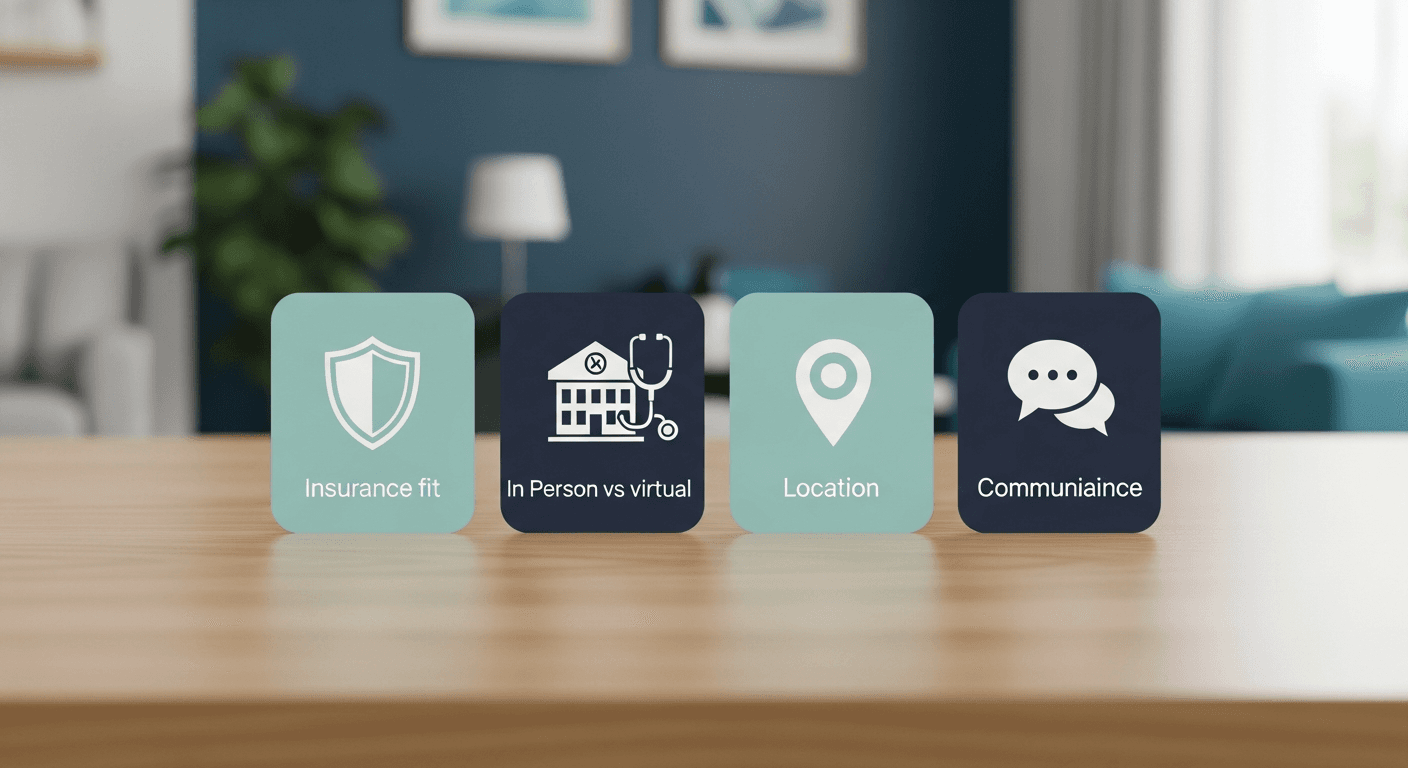
A great cardiologist may be useless for a new-patient rash. A brilliant specialist may still be the wrong first stop if your plan requires a referral. The search phrase sounds simple, but the job is triage: primary care, specialist, urgent care, telehealth, or emergency services.
The National Institute on Aging’s doctor-choice guidance starts with practical questions: whether the doctor takes new patients, accepts your plan, accepts Medicare when relevant, and has office logistics that work for you. That is not glamorous. Neither is a medication reconciliation. Both prevent messes.
If you need a patient overview of what Patients Finder can help with before sending details, read the for patients page first.
Verify credentials and network before you fall in love with the profile
The first call is not a personality contest. Ask whether the clinician accepts your exact plan, is taking new patients, and sees the type of visit you need. If you are choosing a specialist, ask whether the referral needs to arrive before scheduling. Prior auth already has enough recreational paperwork energy.
For board certification, use official sources rather than a random badge on a profile. Certification Matters is maintained by the American Board of Medical Specialties and explains how to check a physician’s certification. Your plan directory should still get the final insurance vote.
Strong opinion: a doctor who is out of network is not “best” for a routine visit if you cannot absorb the bill. Clinical quality matters. So does not discovering the cost after the EOB arrives like a plot twist nobody requested.
Read reviews like vitals: useful, incomplete, and never the whole chart

Reviews are not a medical board exam. They are closer to vital signs for access: phones, scheduling, wait times, bedside manner, billing friction, and whether the portal eats messages like an EHR goblin.
Look for repeated patterns, not one dramatic paragraph. On the clinic side, ratings below 4.0 stars can drop online conversion by up to 60%. That tells you reviews affect patient trust, but it does not tell you whether one clinician is right for your diagnosis.
If you want the longer version, our practice-facing article on how online reviews affect patient choice explains why reviews should be read for signals, not worshiped as gospel.
Ask the first-call questions before the appointment clock starts
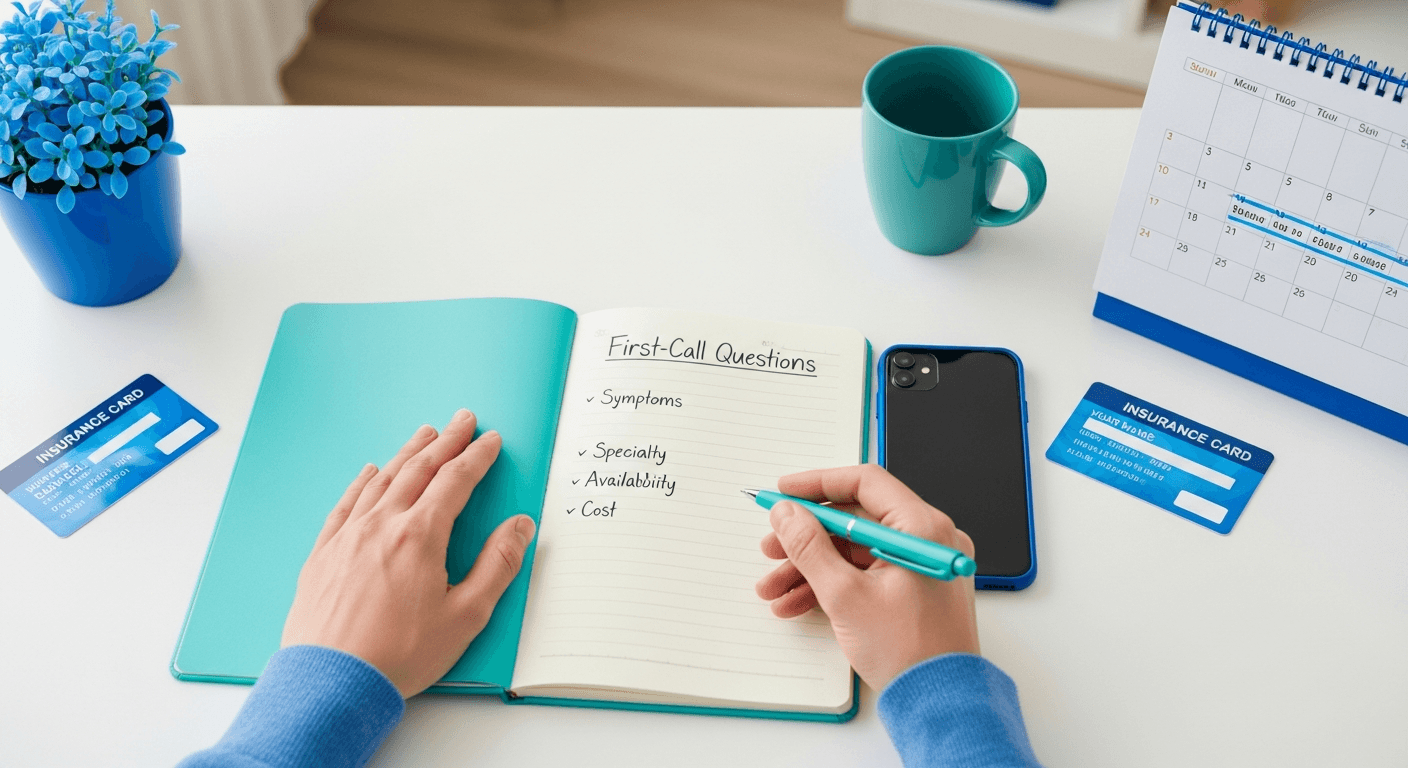
Use the first call like intake. Ask: Are you taking new patients? Do you accept this exact plan? How soon is the next appointment? Do you offer telehealth for this visit type? Who handles after-hours questions? Is parking a minor inconvenience or a full cardio stress test?
The National Institute on Aging gives similar plain-language advice on choosing someone you can actually talk to in its communication guide: check practical fit, ask questions, and pay attention to whether you can talk honestly with the clinician.
Bring a short list to the first visit: medications, allergies, major history, current symptoms, and your top two concerns. Not twelve. Twelve concerns is a novella. Start with the ones that change care today.
When to stop searching and use a different door

When not to use Patients Finder: emergencies, symptoms your plan or clinician treats as urgent, or anything that needs immediate medical direction. An appointment-help form is not a triage nurse. It cannot listen to your breathing through the screen, and frankly neither should it.
The missing-map-pin story from our clinic work applies here too. We once watched a doctor nearly pay for an expensive marketing package because his clinic was not verified on Google Maps. The fix was a postcard code. Patients feel that same mess as wrong addresses and dead phone lines. Confirm the office before you drive.
For network basics, Healthcare.gov explains why plan rules and in-network status matter before care. The map can help you travel. It cannot negotiate your deductible.
Straight answers
What is the first step when searching for the best doctor near me?
Start with your insurance network and visit type. Then compare credentials, access, location, and communication fit.
Does the highest rating mean the best doctor?
No. Ratings help you spot patterns, especially around access and communication. They do not replace clinical fit or network status.
How do I check if a doctor is accepting new patients?
Call the office and ask about that clinician, that location, and that visit type. Directories lag reality.
Should I choose primary care or a specialist first?
If your plan requires referrals or your issue is broad, primary care often comes first. If you already have a clear specialist referral, follow the plan rules.
Can Patients Finder choose the doctor for me?
We can collect appointment-help details and follow up. You still need to confirm insurance, referrals, and clinical fit.
When should I not use the appointment button?
Do not use it for emergencies or symptoms that need immediate medical direction. Use emergency services, urgent care, or your plan’s nurse line.
What should I bring to the first visit?
Bring your insurance card, medication list, allergies, key history, and the two concerns you most need addressed.
If you want appointment help after the network check, use the button below. If this guide helped you sort the short list, go back to the patient blog hub and keep your notes tidy. Future you, sitting in a waiting room with 4% battery, will be grateful.