
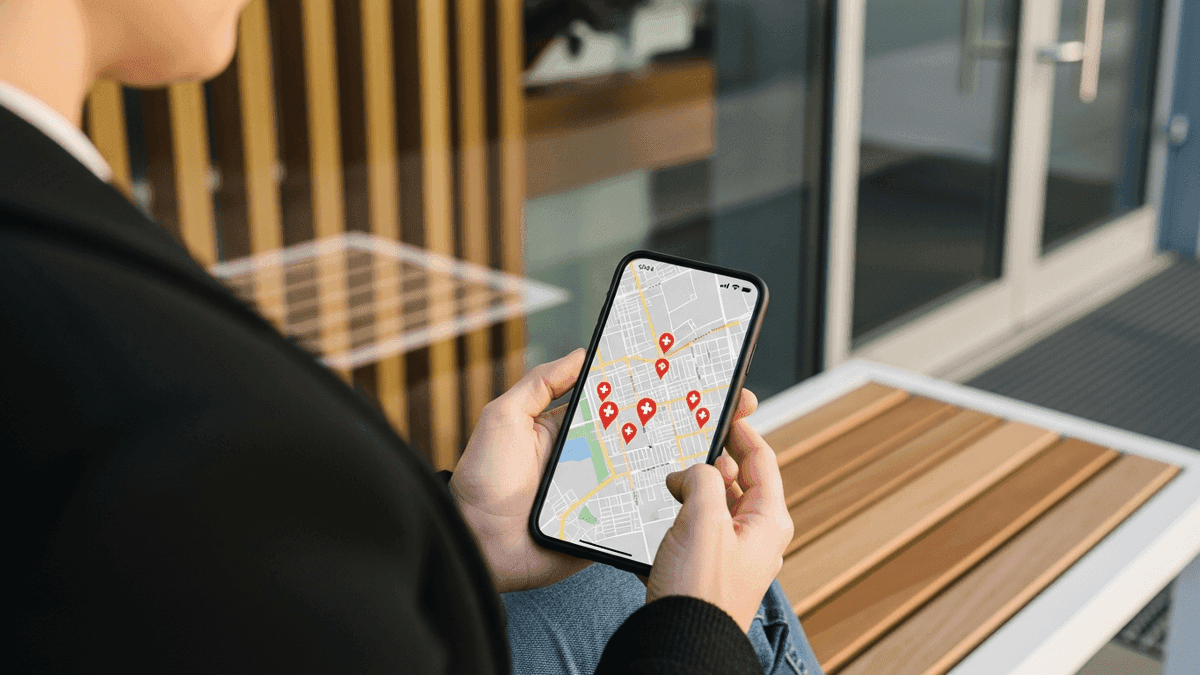
Diagnosis: network and visit type first, pretty websites second.
If you already know you need a broader patient guide hub, bookmark this page and head back when you are done. If you are new to how Patients Finder supports readers, the for patients overview explains what we do before you send an intake form.
Match the search to the problem, not to the sleekest headshot
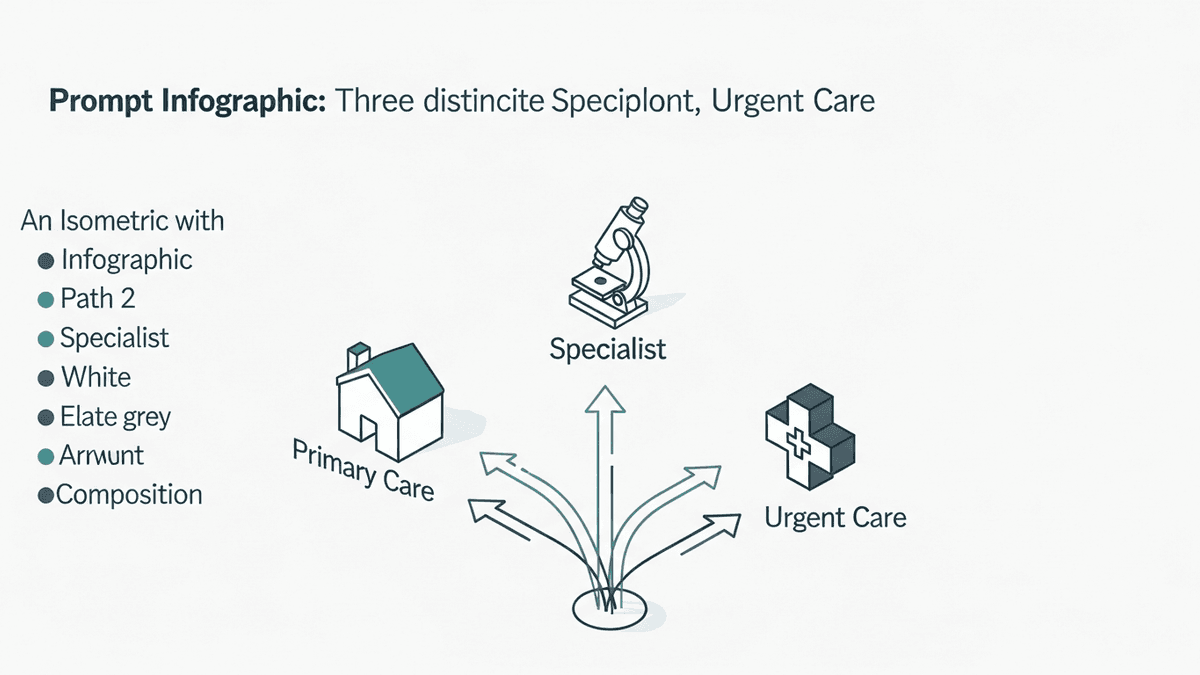
Nine times out of ten, bad outcomes here are a category error, not a lack of intelligence. You search find a doctor near me when what you really need is a stable primary clinician, a specialty consult, a same-day bridge visit, or a hard stop routed to emergency care. Each path uses different directories, timing, and paperwork.
Strong opinion, backed by how clinics actually earn traffic: your insurance plan’s directory is boring and often ugly, yet it is still the fastest way to stay in-network before you fall for a glossy landing page. On the clinic side, a complete Google Business Profile can drive on the order of half of local patient discovery when it is accurate; you are allowed to benefit from that work once you have confirmed network status yourself.
Start with your network, then let maps narrow the geography
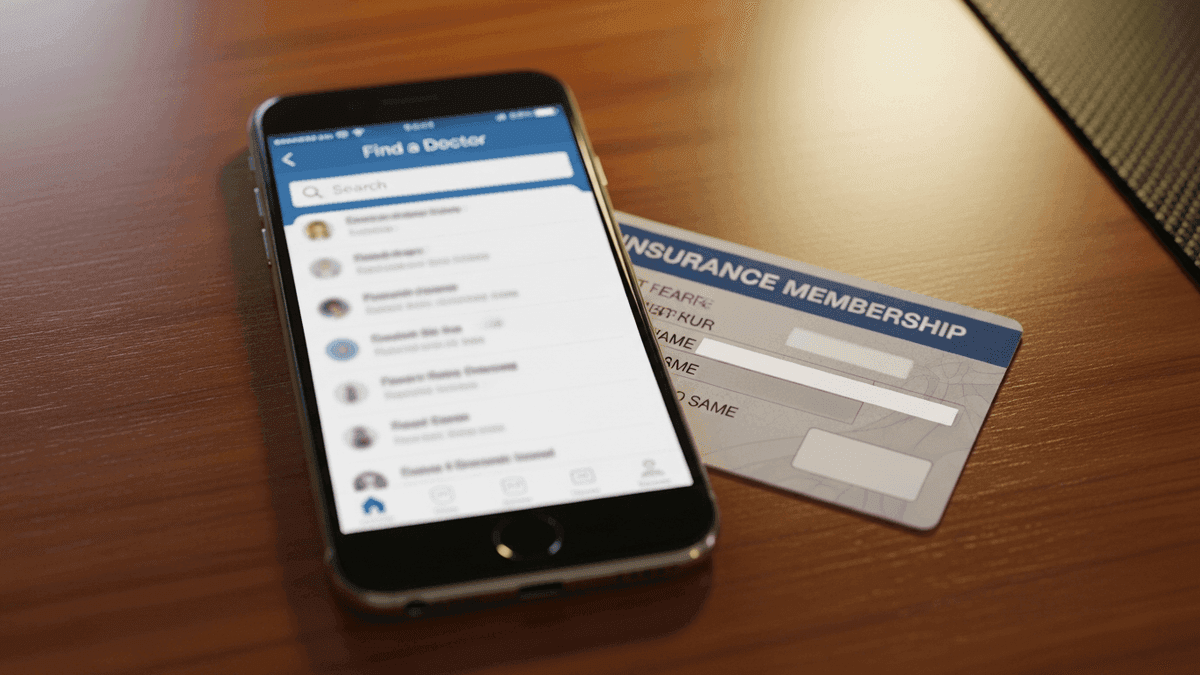
Pull your member portal or card, identify whether you need primary care, a specialist referral, or a designated imaging center, and write down the exact name on the contract. Medicaid, Medicare, and marketplace plans publish different rules; Healthcare.gov’s care navigation pages stay blunt about using your plan’s network tools before you book.
Only after that should you open maps. Google explains how local results surface in their Maps documentation. Remember maps show proximity, not your deductible math.
Read the listing the way you would read a med list: slowly
Stars are logistics, not a board score. When a clinic’s rating drifts under about 4.0 stars, online conversion can fall by up to 60%, which tells you other patients bounced before they ever met the clinician. Pair reviews with how the clinic answers the phone, not with whether you like one angry paragraph from 2019.
For a longer read on how reviews shape choices, see our how online reviews affect patient choice article aimed at practice teams. You can borrow the same skepticism without the agency jargon.
Slow clinic sites still hemorrhage patience: a three-second load can push roughly 40% of visitors away. If the scheduling page spins forever, assume the front desk is also underwater and call.
New patients, portals, and telehealth: verify the boring details
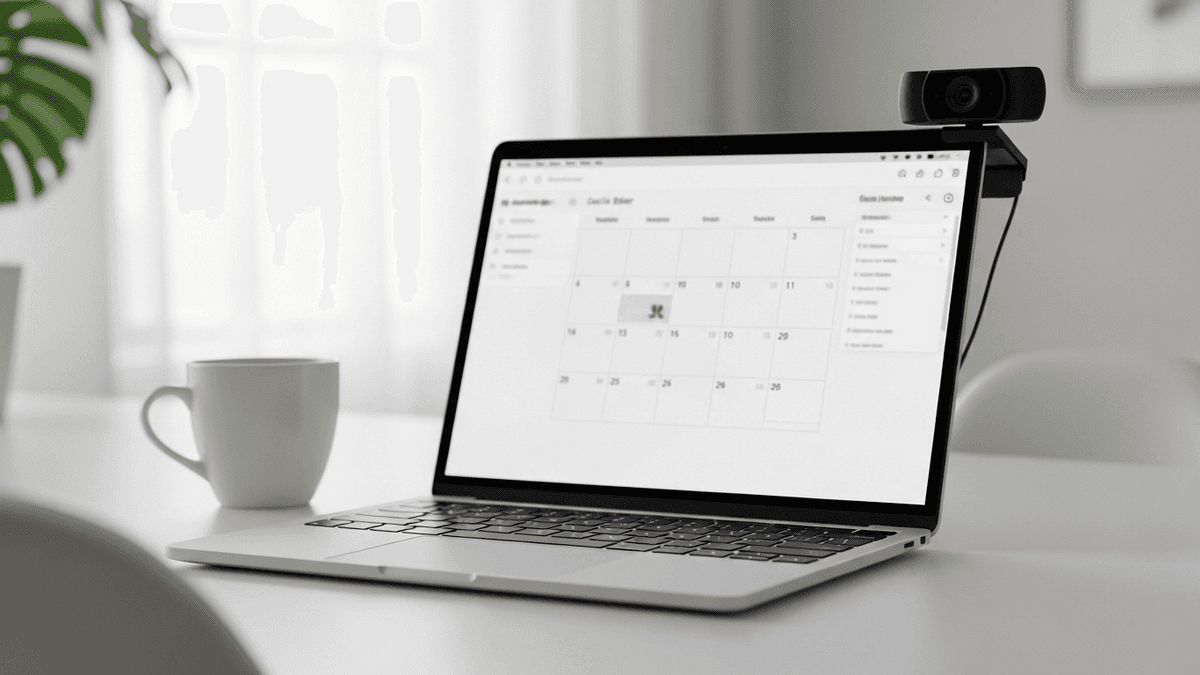
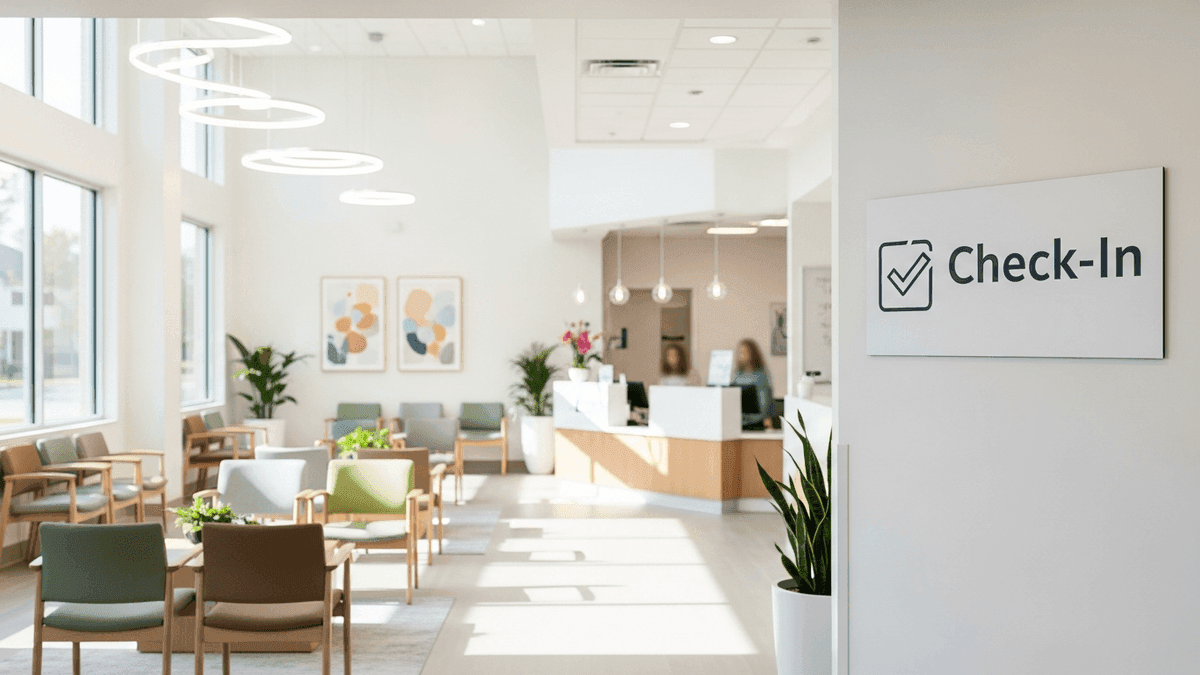
Ask plainly: are you accepting new patients for this clinician, this location, and this visit type? Portals often lag. If you need a specialist, confirm whether the referral must hit before they will schedule. Telehealth can work for follow-up and some straightforward visits when your plan covers it; it is a weak tool for chest pain that could be cardiac.
The Department of Health and Human Services maintains consumer-facing context on care settings through hhs.gov; use it when you need official program context, not TikTok summaries.
When to stop scrolling and escalate to urgent care or emergency services
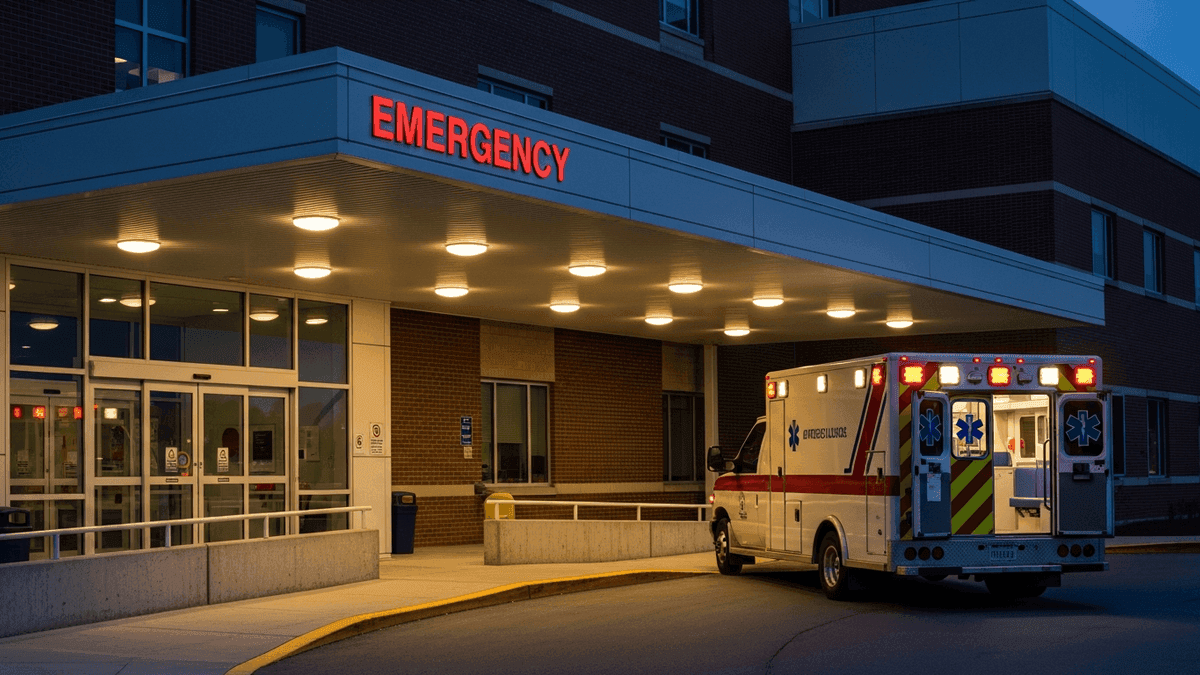
When not to use our intake form: if you might be having a medical emergency, contact emergency services or follow your plan’s nurse line now. Patients Finder appointment help is for non-emergency navigation, not for triage that belongs on 911 or in an ER bay.
If you are stable but need same-day attention, urgent care often fits the bridge role while you arrange follow-up. Keep your med list, allergies, and insurance card in one note so you stop retyping it in parking lots.
Story we have watched from the clinic side: a physician almost signed a pricey monthly marketing package because his new office was not verified on Google. The fix was a postcard code, not a contract. Patients inherit that mess as wrong pins; call the desk, confirm the suite, and do not assume the algorithm did your homework.
Straight answers
What is the safest first step when I search find a doctor near me?
Confirm in-network status for the visit type, then use maps and clinic sites as a short list. Network rules beat distance by a mile when the bill arrives.
How much should I trust online reviews when choosing a clinician?
Trust patterns about access, wait times, and communication. Distrust any review that tries to diagnose a stranger through gossip.
How do I check if a doctor is accepting new patients?
Call the practice, ask for new-patient slots for the specific provider, and confirm locations. Web forms break; humans still answer most of the time.
Is telehealth a reasonable substitute when I need a doctor near me?
Sometimes, for the right visit and coverage. Not when symptoms need an exam room or emergency routing.
What if maps show the wrong address or phone number?
Verify on the official clinic site or by phone. Maps lag real-world moves; treat them as hints.
When should I stop searching and go to urgent care or the ER?
When symptoms meet emergency definitions from your clinician or plan, or when you are unsure and nursing lines tell you to go. Stable but urgent issues often fit urgent care; life threats belong in emergency services.
Can Patients Finder help me book a specific doctor?
We can collect your intake and follow up about appointment help requests. We do not replace insurance, referrals, or emergency services.
If you want help after you have done the network check, use the button below. If you just needed the map literacy, close the tab and text someone the link. We have run intake for patients since 2016 alongside 412 clinic campaigns, and we still prefer you to use emergency services when the situation demands it.