
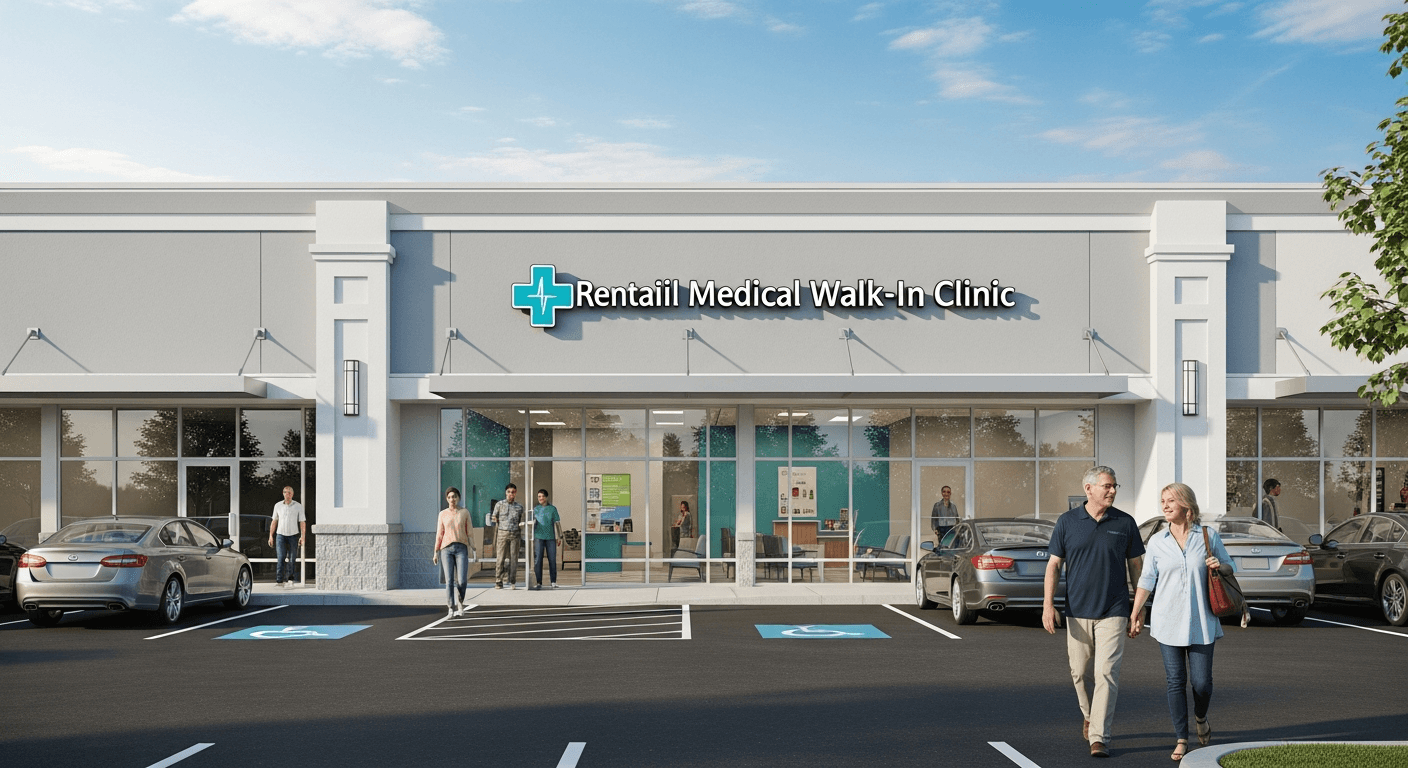
Diagnosis: treat “walk-in” like a chief complaint line, not a promise that every problem fits the building.
If you are still choosing between clinicians, start with our find a doctor near me map and best doctor near me choice guides. If you already know you want a same-day retail visit, stay here. The patient blog hub lists the rest of our consumer reads.
What “walk-in clinic” means in practice, not in the parking-lot sign
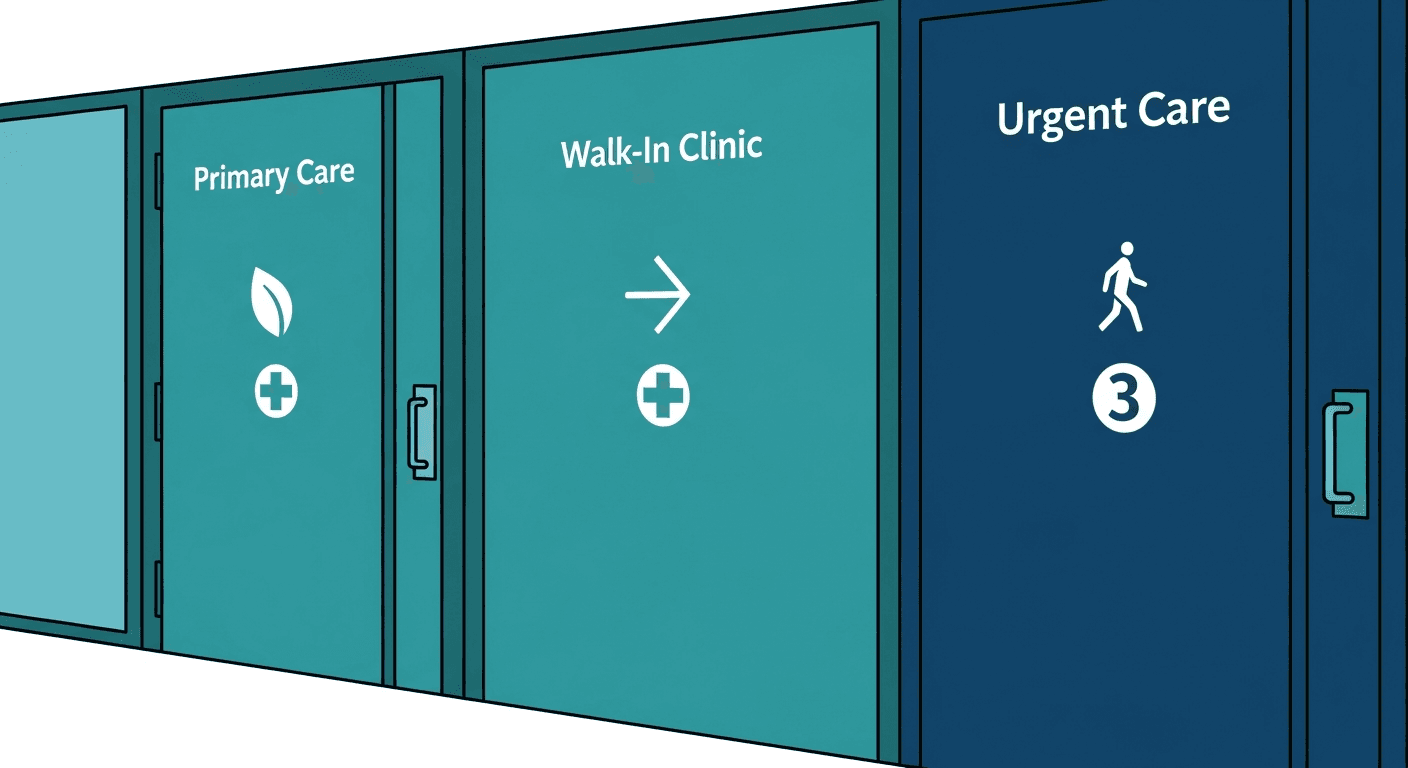
Retail medicine loves the word walk in clinic near me because it sounds fast. Under the hood you might get a nurse-practitioner sick visit, a vaccine lane, an employer health screen, or a limited-scope urgent care that does not run imaging. Sending the wrong chief complaint to the wrong door is like dropping a hemoglobin order on a lipid panel: the tube looks fine until the lab tech sighs.
Same-day doctor searches overlap here: if you need continuity, your primary office still owns the long chart. Walk-ins are bridge visits, not a substitute for follow-up when something needs watching across weeks.
Check network, hours, and scope before you burn gas
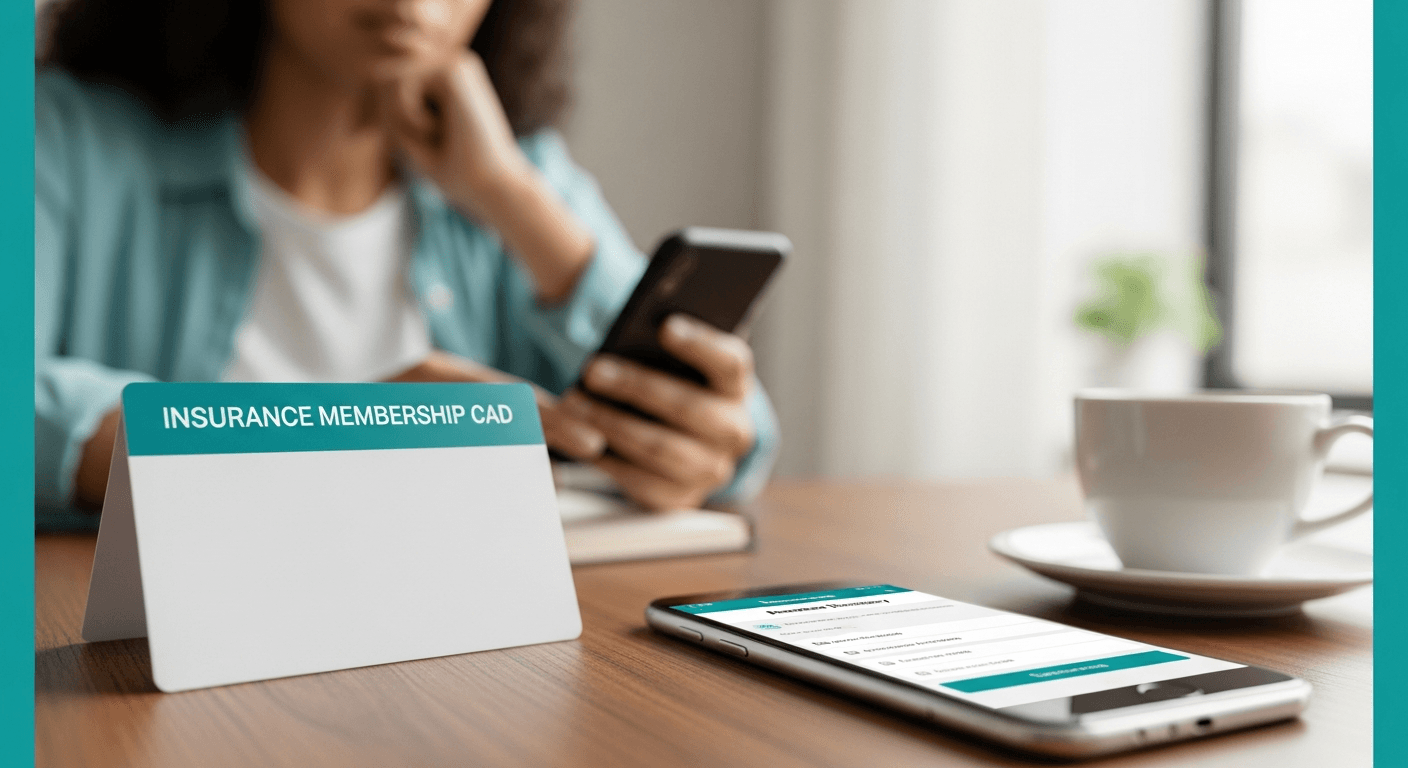
Pull your member portal or card and confirm the exact legal name of the clinic group. Medicaid, Medicare, and marketplace plans publish different rules; Healthcare.gov’s care navigation pages keep saying the quiet part out loud: use your plan tools before you book.
Maps show distance, not deductible math. Google explains how local results surface in their Maps documentation. Story we borrow from the clinic side: a frantic strip-mall pin once pointed patients to the wrong suite because the postcard verification never happened. The fix was typing a code, not buying ads. You inherit that chaos as wrong hours on a card, so call once if the visit matters.
Wait times, online booking, and billing clarity
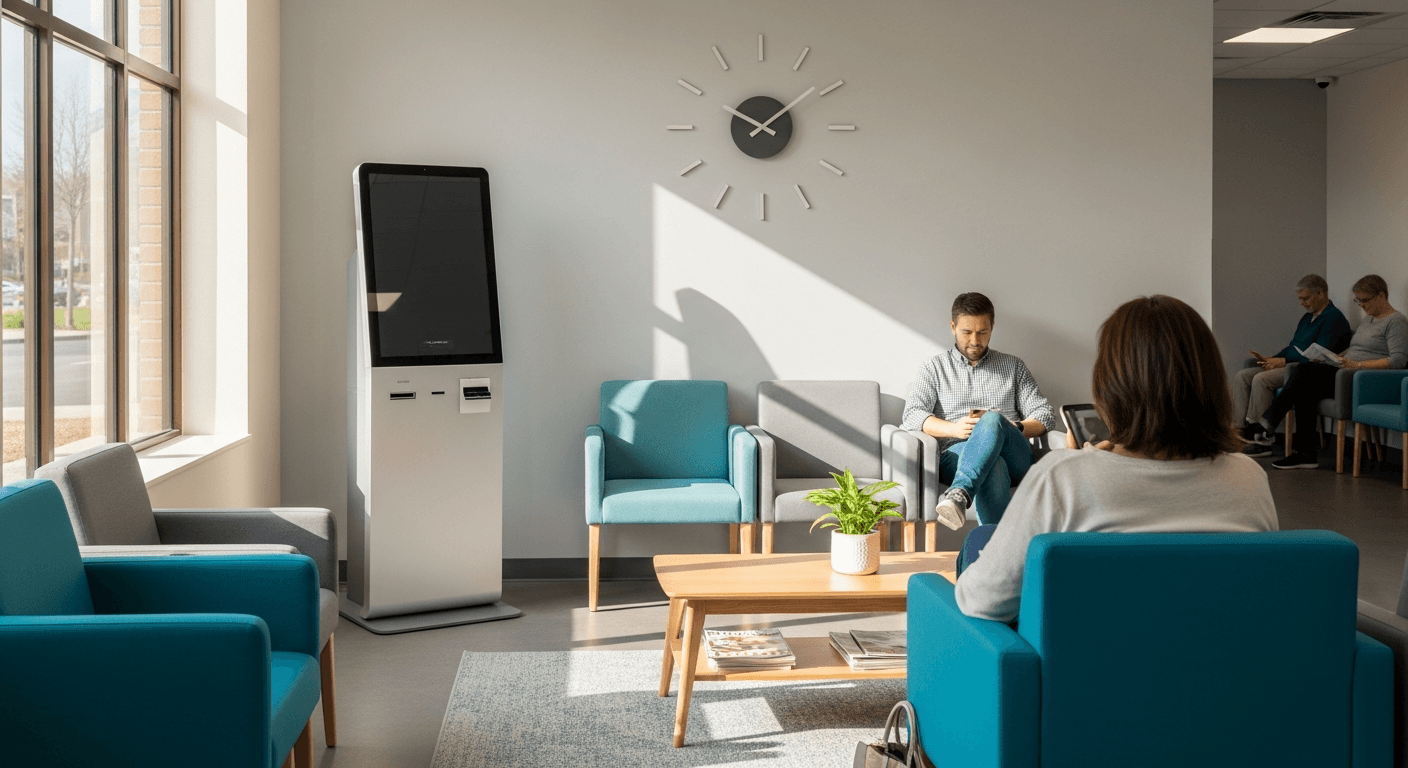
Posted waits are triage estimates, not promises. Strong opinion: if the scheduling page spins longer than about three seconds, assume the front desk is underwater. Slow sites shed roughly 40% of visitors before they ever tap “join queue,” which is the same digital waiting-room walkout you feel as a human in plastic chairs.
Reviews still tell you about access and tone, not whether the clinician is “five stars” at diagnosing you through Yelp. When ratings drift under about 4.0 stars, online conversion can fall by up to 60%, which is a signal about operations, not a moral verdict. Our practice-side explainer on how online reviews affect patient choice goes deeper if you want the receipts.
What to bring so you stop retyping your med list in the parking lot
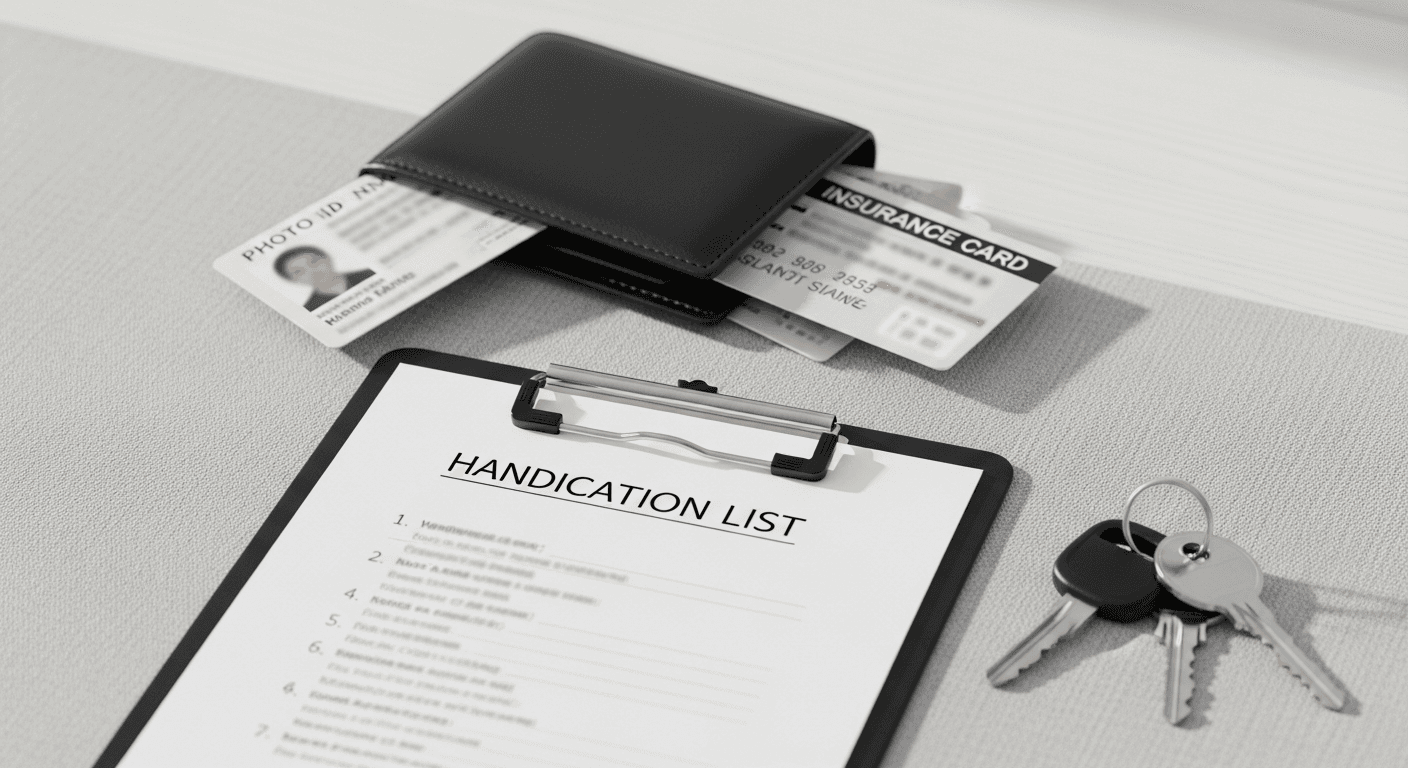
Pack the boring stuff: insurance card, photo ID, allergies, home meds, payment method, and guardian paperwork if you are deciding for someone else. If you need a work note or school clearance, say it up front so nobody plays telephone tag later.
For official context on programs and rights, the Department of Health and Human Services hub at hhs.gov stays the sober bookmark when social summaries get creative.
When to skip walk-in for primary care, urgent care, or emergency services

Stable but same-day issues often fit urgent care when the clinic publishes that scope. New symptoms that could be emergencies belong with emergency services or the route your plan spells out. MedlinePlus publishes patient-facing care setting guidance you can read without a marketing budget: medlineplus.gov.
When not to tap our intake button: if you might be having a medical emergency, contact emergency services now. We still prefer you use the right door over filling a form while dizzy.
If you are a clinician wondering why your lobby shows up wrong on maps, the free fixes usually beat another retainer. Our for patients overview still explains what we do for readers; practice teams route through pricing when they want the grown-up conversation.
Straight answers
Is a walk-in clinic the same thing as urgent care?
Sometimes the words get used like interchangeable chart stickers, but billing and scope differ by brand. Read the site for services before you assume imaging or procedures are on site.
How do I check if my insurance covers a walk-in visit?
Use your plan directory for the exact location and provider group, then confirm copay and referral rules. Maps proximity does not override network rules.
Why did the online wait time not match the lobby?
Queues spike when school lets out or half the town shares your virus. Treat posted waits as forecasts, not promises.
What should I bring to a walk-in clinic?
Insurance card, photo ID, med list with allergies, payment method, and any proxy paperwork you need for consent.
Can a walk-in refill my chronic medications?
Sometimes for short bridges when policy allows, often no for controlled substances or complex regimens. Your primary team still owns longitudinal prescribing unless the visit explicitly covers it.
When should I skip a walk-in and use the ER or call emergency services?
When symptoms match time-sensitive emergency teaching from your clinician or trusted patient education. If you are unsure, nursing lines and emergency services exist to route you.
Can Patients Finder schedule my walk-in visit?
We can take intake for appointment help requests and follow up when appropriate. We do not replace clinic scheduling lines, insurance authorizations, or emergency services.
If you want appointment help after the network check, use the button below. If you only needed the triage map, close the tab and text someone the link. We have run intake for patients since 2016 alongside 412 clinic campaigns, and we still prefer you use emergency services when the situation demands it.