

Diagnosis: consult clarity and ownership beat template libraries.
This guide targets the med spa website builder cluster for physician owners and medical directors — not another list of pastel homepages. For general platform selection, start with doctor website builder. For template triage, see medical website templates.
Why generic builders fail med spas: brochure circulation, zero consult pressure
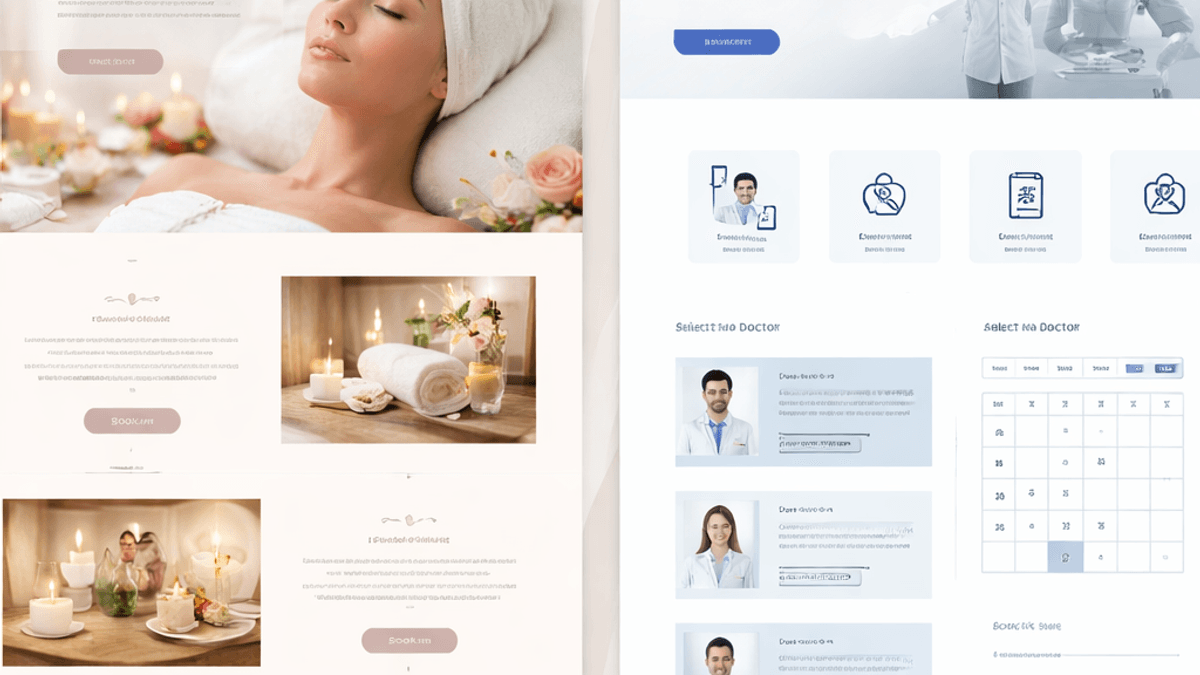
Most SERP content treats your site like a mood board. Hero video, soft gradients, a services dropdown that hides injectables under Wellness. Patients arrive from search or social with one treatment in mind. Your builder should make that path obvious in two taps, not a treasure hunt through aromatherapy copy.
Template-churning vendors put dozens of med spas on the same layout, swap the logo, and call it custom. Google sees duplicate architecture. Patients see déjà vu. We build custom or we do not build — shared spa skins are lazy, and the algorithm notices.
Physician-owned spas also need supervision language visible early: who holds the medical license, what scope the practice operates under, and how consults differ from walk-in retail. That is trust infrastructure, not legal wallpaper in an eight-point footer.
Treatment-menu IA: one intent per page, not a PDF price list

Group navigation logically — injectables, lasers, body contouring, skin health — but give high-intent services their own URL. Someone searching "med spa website builder" level detail for Botox or Morpheus8 should land on a page that speaks to that procedure, not a accordion buried under Services.
You do not need a public rate card to convert. You need clarity on candidacy, downtime, consult steps, and what happens at the first visit. Price shoppers will call anyway. Serious patients want to know you understand the procedure before they trust your hand with a needle.
Tie each service page to local discovery work in local SEO for doctors and, where medical and aesthetic lanes overlap, dermatology growth.
Consult booking and intake paths: mobile first, HIPAA boundaries intact

Instagram sends thumb traffic. If book consult is below the fold or opens a PDF intake, you just paid for a bounce. Put the primary CTA on every service page, test it on the oldest phone in your office, and fix whatever breaks before you launch ads.
Separate marketing contact from clinical intake. A pretty form plugin is not a HIPAA strategy. Collect scheduling details publicly; route medical history through approved systems. HHS outlines the baseline in HIPAA for Professionals. Read it before you wire a health history textarea into Squarespace.
Deposits and membership upsells can live on the site, but the path should still feel clinical, not like buying concert tickets. Confused checkout is how consults die in the cart — same energy as a prior auth stuck in fax limbo.
Photos, claims, and compliance: gallery without guaranteed outcomes

Before-and-after galleries sell, but sloppy claims invite regulatory headaches. Consent, realistic framing, and "results vary" near the images — not six clicks deep. When uncertain, lead with credentials and process, then show outcomes.
FTC guidance on health claims applies to how you describe treatments online. Skim FTC health products compliance guidance before your copywriter promises miracle jawlines. Your medical license has enough paperwork already.
Stock photography of models who never set foot in your treatment room is the aesthetic equivalent of copying a colleague's note verbatim. Real clinic photos convert better because they look like the place patients will actually sit.
Ownership before you sign: domain, profile, and ad accounts in clinic hands

Discovery calls still surface the same nightmare: the last vendor registered the domain under agency credentials. Cancel the contract and the website becomes a hostage situation. We mandate clinic ownership of domain, hosting login, Google Business Profile, and ad accounts from day one because we have seen what happens when you do not.
Med-spa SaaS builders love lock-in. Read the export terms before you migrate twenty service pages into a walled garden. If you cannot move DNS tomorrow, you are renting, not building. Google's Business Profile ownership guidance belongs in the same audit folder as your builder contract.
For invoice math and line-item transparency, cross-read doctor website cost before you bundle builder fees with mystery media spend.
When not to hire us yet

If you do not control the domain, your Google profile is half-built, or mobile booking throws an error on the consult button, keep your retainer money. Paid traffic into a broken funnel is like bolusing insulin before you check a glucose — exciting, then regrettable.
Cosmetic specialists can win on Instagram; most physician-owned med spas still live on local search and referrals. Social is a handoff to the site, not a substitute for service-page architecture. Fix the owned channel first, then decide if you need help scaling.
When the basics are stable, see how it works or review pricing. Until then, spend an afternoon on digital triage and go chart.
Straight answers

What should a med spa website builder include first?
Mobile consult booking, one page per high-intent treatment, medical director disclosure, and HIPAA-aware form boundaries.
Is a generic builder enough for a physician-owned med spa?
Only if it supports service architecture, supervision copy, and account ownership. Brochure-first builders usually are not.
Do med spas need separate pages for each treatment?
For services patients search by name, yes. One long menu page dilutes both SEO and clarity.
How should before-and-after photos appear?
With consent, realistic expectations, and no guaranteed outcomes near the gallery.
Who should own the domain and ad accounts?
The practice entity. If you cannot export and log in tomorrow, you do not own it.
Can we collect medical history on a contact form?
Not on a generic marketing form. Route clinical intake through approved systems only.
When should we avoid hiring an agency yet?
When ownership, profile completeness, or mobile booking is still broken. Fix free basics first.
Go finish your charting. If the consult button works, the domain is yours, and you want a growth plan that respects medical scope, book a discovery call on pricing. We would rather talk you out of a retainer than sell you a template with extra serifs.