

Diagnosis: budget for a doctor website like a procedure list—each line item has a clinical reason, not a marketing adjective.
This guide is for physicians comparing doctor website cost against same-intent searches like doctor website, medical practice website design, and healthcare website builder pricing pages. For platform selection, read our doctor website builder guide. For template triage, see medical website templates.
What a doctor website actually costs (solo to multi-site)

Blunt ranges from vendor pages we scraped and from 412 campaigns we have scaled—your market will wiggle, but the shape holds:
DIY builder path: roughly $30–$80 per month for the platform, plus your time or a freelancer for copy and photos. Year one often lands near $500–$2,000 if you skip custom integrations.
Custom launch: credible agency builds for a solo doctor website commonly quote $4,500–$8,000 setup, then $550–$2,000 per month if SEO and support are bundled. Multi-location groups push setup toward five figures before anyone says portal or EHR.
Maintenance only:hosting, security patches, and light edits often run $300–$700 per month once the site exists—Tebra's intake guide cites that band for keeping a practice site secure and updated.
The doctor website cost that matters is total cost of ownership: build + twelve months of labor + whatever you pay Google directly for ads. A cheap theme with a $3,000 management fee is still an expensive clinic.
DIY, templates, and healthcare website builder ranges

A healthcare website builder subscription is the digital equivalent of clinic-supplied scrubs: fine for launch, not a substitute for workflow. Wix, Squarespace, and specialty builders can get a credible best website for doctors live in days if your Google profile is clean and booking works on mobile.
Hidden DIY costs show up later: HIPAA-grade intake, online scheduling tied to your EHR, and service pages patients actually search. Tebra's budget write-up notes most practices without a portal still land in the low four figures for initial design and development—DIY saves cash upfront, not always downstream.
If you are deciding between builder and agency, run the 2026 doctor website checklist for solo providers before you sign anything longer than a month.
Custom agency quotes and retainer math

PatientGain's public pricing page puts solo setup near $4,500–$5,500 and monthly maintenance near $550–$800 when SEO and hosting ride along. Medium groups climb toward $8,000–$10,000 setup and $2,000–$4,000 monthly. Those numbers are not gospel—they are a sanity check when someone slides you a one-page proposal with no line items.
A specialized dental clinic once showed us a $3,000 monthly package that was mostly management fees on a template shared by forty other dentists—$500 of real media, the rest markup. We separated ad spend from agency labor, rebuilt the funnel for organic search, and cut blended acquisition cost by 60%. Same market, different invoice hygiene.
Retainers are rent on labor. They are fair when reporting shows booked visits and the scope is written down. They are a leaking bucket when you cannot get a login to your own domain and the agency registers it under their email—that is the hostage-domain nightmare we hear on discovery calls weekly.
Line items: ads, hosting, SEO, and who gets paid twice
Ad spend should be strictly separated from agency fees. You pay us—or any vendor—for strategy, creative, and technical work. You pay Google and Meta directly for media. Bundled invoices are how clinics discover they bought $2,500 of management and $500 of actual traffic.
Let's look at the math on mature channels. Average paid cost per acquisition for a dental implant can run $150–$300. Mature SEO can pull blended CPA toward $35 over a twelve-month horizon. That does not mean kill ads—it means know which line item is rent and which is compounding equity. Hybrid wins across the 412 campaigns we manage, but only when the dashboard shows both numbers.
Hosting and SSL belong on their own line. So does local SEO labor if you are fixing map entities and citations. So does content for medical practice websiteservice pages—not one opaque "digital package." Transparent, flat-fee pricing beats mystery retainers; see how we scope tiers on pricing after you fix the free layer.
When rebuild beats another year of monthly patches
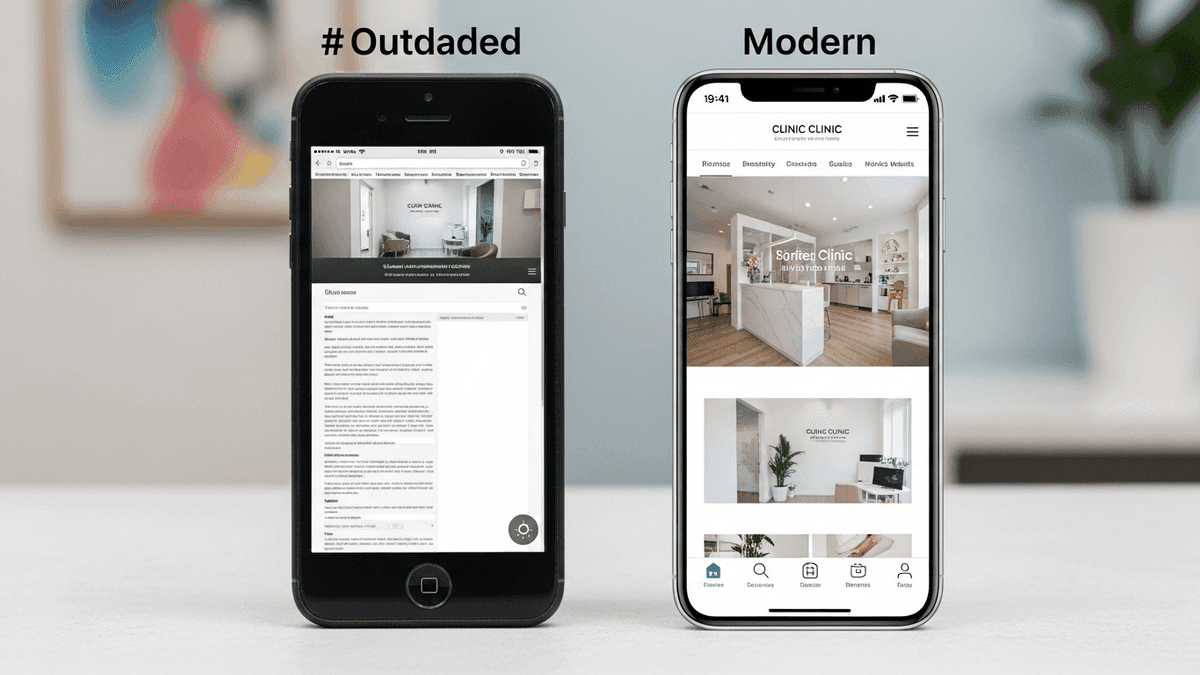
If the clinic site is five-plus years old and mobile still fights you, stop paying SEO retainers into a Bush-era stack. You cannot put premium fuel in a cracked engine. Rebuild on modern architecture, then spend on visibility.
Digital plaque does the rest: chat widgets, 10MB lobby photos, tracking scripts from a conference booth. Load time drifts past three seconds and bounce can climb around 40%—four out of ten prospective patients leave before they book. That is not a design preference; it is lost panel capacity. Google's mobile guidance on web.dev is worth ten minutes between cases.
A rebuild quote hurts once. A twelve-month retainer on a site that cannot book on iOS hurts every month. Pick the pain that actually fixes intake.
When not to hire us yet
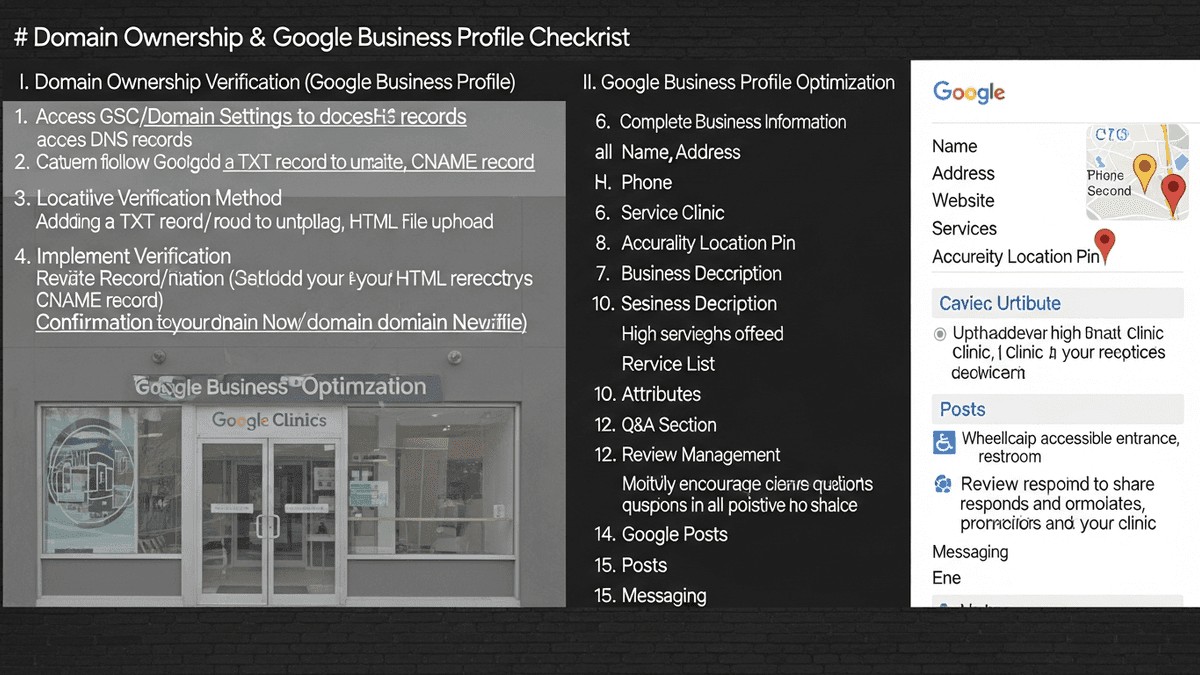
We once talked a doctor out of a $4,000-per-month SEO retainer because his map listing was unverified—find the postcard, enter the five-digit code, call back if the phone still does not ring. He ranked locally forty-eight hours later. We would rather lose the retainer than sell imaging before vitals.
Do the free fixes first: claim your Google Business Profile, match NAP to the footer, test click-to-call and booking on your own phone, and confirm you own the domain credentials. HIPAA posture for marketing forms is not a theme badge—read how covered entities think about public-facing tools via HHS HIPAA guidance before you wire a generic contact form to clinical intake.
When those vitals are stable, book a discovery call through how it works if you want itemized scope—not a bundled mystery invoice.
Straight answers
How much does a doctor website cost for a solo practice?
Roughly $500–$2,000 year-one DIY, $4,500–$8,000 custom launch, or $550–$2,000 monthly when agencies bundle ongoing SEO and support. Add portal or multi-location scope and the setup line moves up fast.
Is a monthly medical website retainer worth it?
Worth it when line items are transparent and mobile booking already works. Not worth it when you are mainly funding a shared template and vague management fees.
What should be included in a medical website design quote?
Build scope, performance targets, HIPAA boundaries, hosting, content ownership, SEO or local labor, and whether ads are separate. Demand the spreadsheet, not the brochure.
Should Google Ads be bundled into website management fees?
No. Pay platforms directly for media so you can see markup if an agency tries to hide it inside one monthly number.
When does a clinic need a full website rebuild?
Five-plus years old, broken mobile booking, or load time past three seconds with bounce climbing. Patch cosmetics after the engine runs.
Who should own the domain and hosting accounts?
The practice, always. Agency-held domains are exit fees you did not agree to in writing.
When should a practice avoid hiring a marketing agency yet?
When map, domain, and mobile booking are still broken. Fix those free layers, then compare quotes with line-item math.
Doctor website cost is an invoice problem before it is a design problem. Read the line items, separate ad spend, own your domain, and rebuild when the mobile waiting room is leaking patients. Go finish your charting.