
Diagnosis: growth stalls when patient flow has worse circulation than a smoker's lower extremities—you need throughput triage before marketing steroids.
This guide is for the clinic already seeing patients—not the founder raising capital for a third location. We cross-link deeper SEO work to local SEO for urgent care centers and urgent care SEO services. Here we stay in the exam lane: fix leaks, then decide what deserves a retainer.
Why your schedule looks full but growth stalled
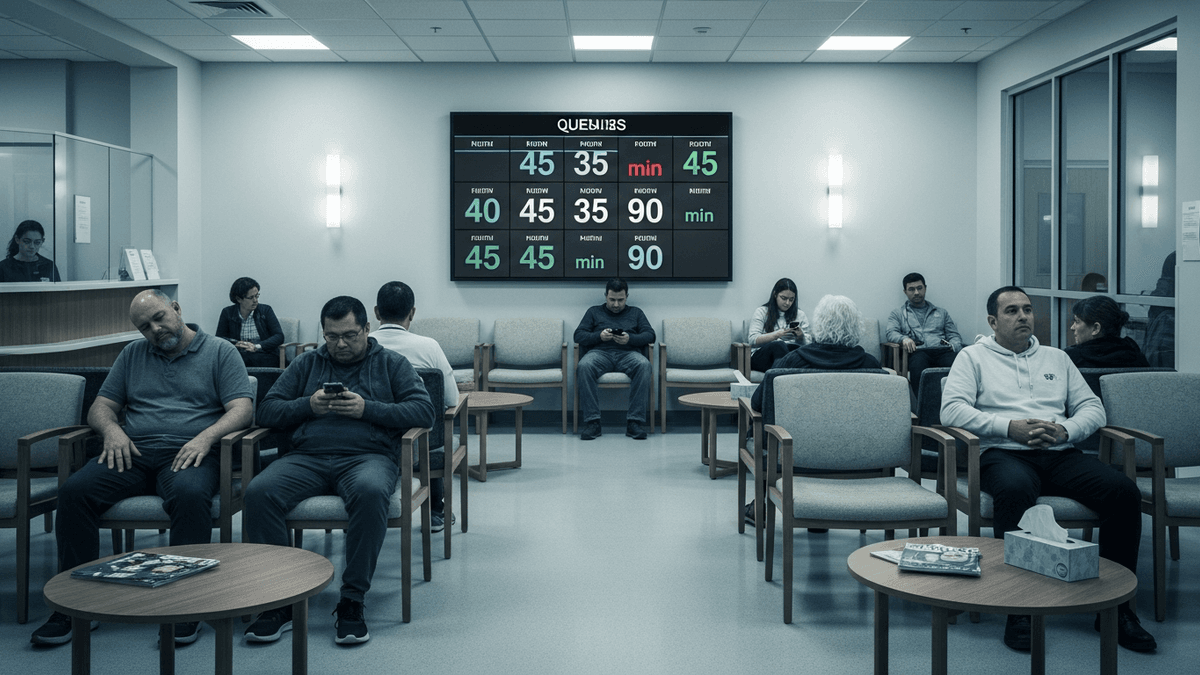
A packed waiting room feels like success until you do the math. If door-to-door times creep past what Google reviewers will tolerate, you are not growing—you are hoarding frustration. One bad afternoon becomes a one-star paragraph that outlives the visit.
Track three numbers weekly: median door-to-door time, left-without-being-seen rate, and callback volume after discharge. When ratings drift under 4.0 stars, online conversion can crater by up to 60%. Fix the chairside experience before you fund another ad campaign.
Marketing's job is to make the phone ring and the map pin tap. If the front desk puts callers on hold for ten minutes, the budget is being set on fire. Audit intake before you audit keywords.
Weekend and evening volume you already own
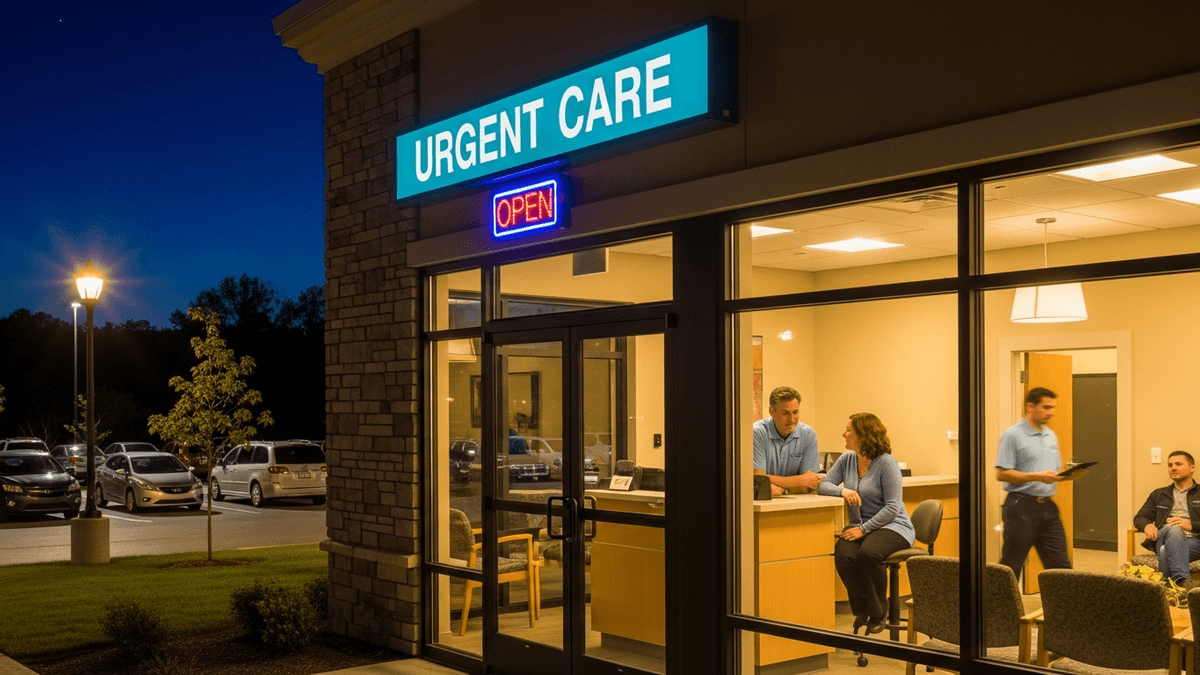
Saturday sprains and Sunday fevers do not wait for your Monday marketing meeting. Many clinics staff weekend blocks but fail to advertise them—then wonder why the ER down the road owns the after-hours narrative.
Publish hours everywhere patients look: Google Business Profile, site header, IVR greeting. If you close at six on Friday but stay open until eight on Saturday, say so in plain language—not buried in a PDF fee schedule from 2019.
For backfilling weekday holes, see strategies to fill empty appointment slots. Weekend demand is often cheaper to capture because the competition is asleep on their listings.
Win patients online without renting every click
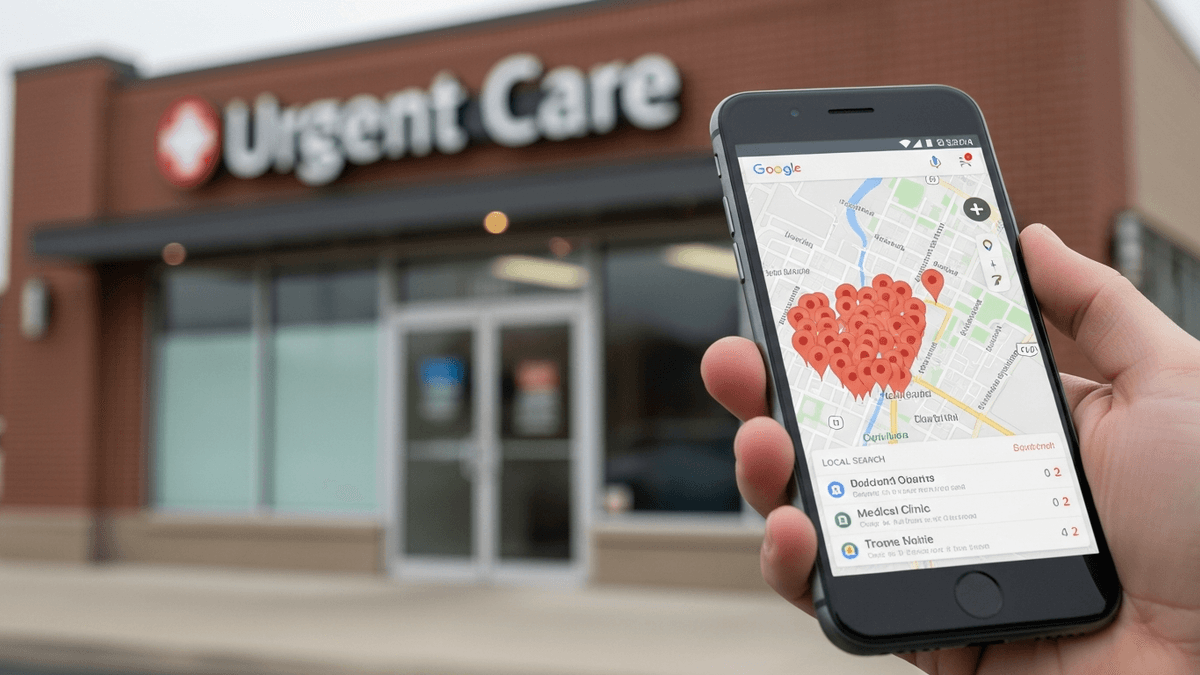
Paid search can buy placement tomorrow. Mature SEO behaves more like equity over a twelve-month horizon—blended cost per acquisition can drop toward $35 while procedure-heavy ads sit closer to $150–$300. That is budget triage, not a moral lecture.
Start free: claim your Google Business Profile, post accurate hours, upload real photos of your actual waiting room—not stock models in lab coats pointing at clipboards. Patients smell fake from orbit.
A clinic on page two of local results captures less than 1% of that search demand. Slow sites bleed traffic too—a three-second load can push roughly 40% of visitors away. That is four out of ten people leaving your digital waiting room while the front desk holds.
Compete with hospital ERs on a solo-clinic budget
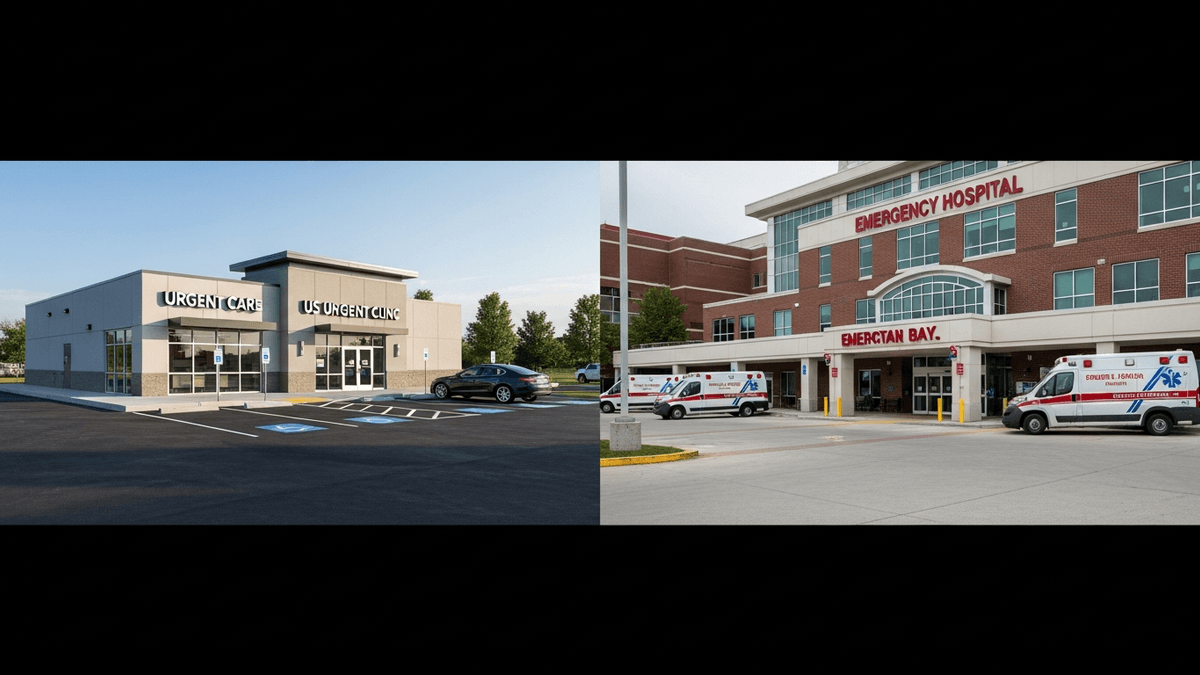
Hospital systems buy billboards. You buy shorter waits and a map pin that answers "urgent care near me" before the ambulance bay appears. Do not match their media spend. Match their weakness: friction.
We once dissected a competitor quote for a multi-site group: $500 of actual Google Ads buried inside $2,500 of "management fees" on a template site shared by dozens of clinics. Separated ad spend from agency fees, rebuilt the funnel for organic search, and dropped blended acquisition cost by 60%. Transparency beats billboard envy.
Secondary intent worth the same page includes compete with hospital ERs marketing and reduce urgent care wait times marketing—patients choose convenience when the map shows you open and the reviews mention speed.
Plug no-show leaks before you add chairs
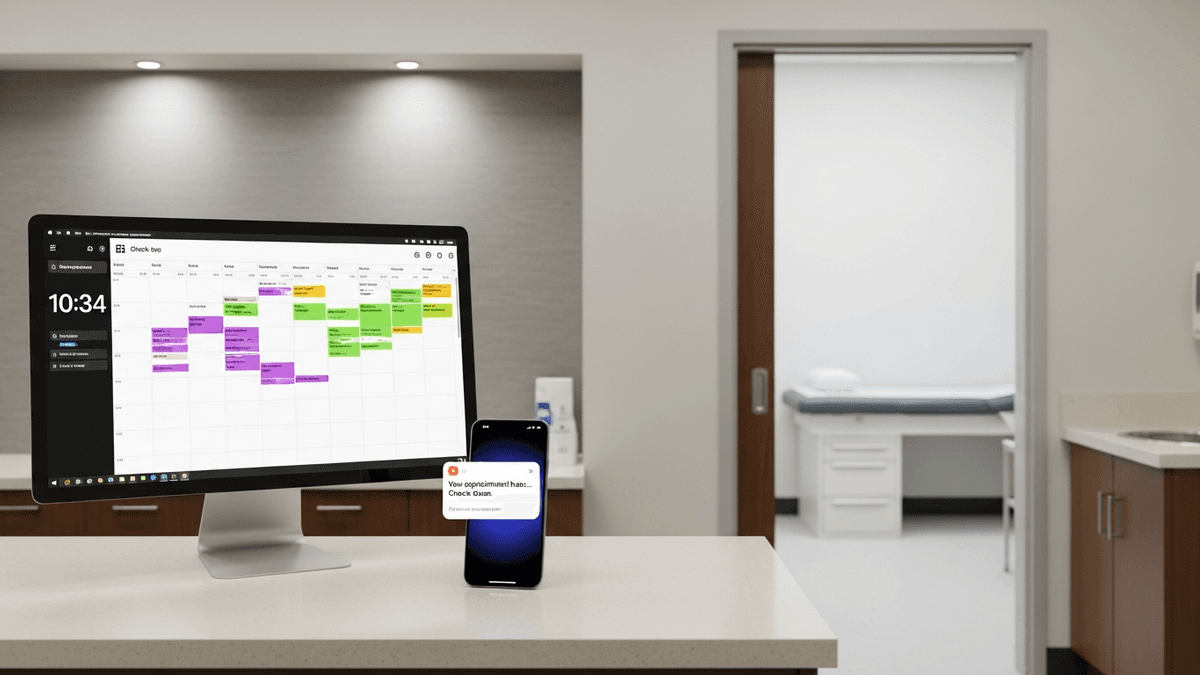
Empty slots from no-shows look like a capacity problem. Often they are a reminder problem. Automated SMS at twenty-four hours and two hours before the visit beats a front desk that forgets to call—if messages stay generic and HIPAA-safe.
Official reference: the HHS HIPAA hub governs how patient data can travel through reminder systems. Do not DIY the plumbing on a generic form widget.
For the full no-show playbook, read how to reduce no-shows without more staff. Cluster terms like urgent care no-show reduction and reduce patient no-shows with automated SMS belong on that rail—not duplicated here.
When not to hire a growth agency yet

We once talked an owner out of a four-figure monthly retainer because his new suite was not verified on Maps. Google had mailed a postcard. He had not typed the five-digit code. We told him to find the postcard, finish verification, and call back if traffic still looked wrong. He was fine forty-eight hours later.
That is the bar. If GBP is unclaimed, wait times are dishonest on your listing, or the phone tree punishes callers, marketing sends traffic to a broken intake path. Fix ops first. We launch new campaigns within 14 days from kickoff when the work is real—not when you are guessing in the dark.
If you want the step-by-step before you book time, read how it works.
Straight answers
How do you grow an urgent care clinic that already has a full schedule?
Measure door-to-door time and no-show rate first. A full waiting room with sixty-minute visits caps volume harder than weak SEO. Fix throughput, weekend hours, and reminders before you buy more chairs or ad spend.
What is the fastest way to increase urgent care patient volume?
Extend into weekend and evening blocks you already staff, publish accurate wait-time signals online, and tighten SMS reminders. Paid ads fill gaps short-term; ops fixes compound without renting every click.
Should an urgent care clinic invest in SEO or paid ads first?
Claim and clean Google Business Profile first—it is free. Then fix site speed and local listings. Hybrid works once the map layer and front desk can handle the calls.
How can a small urgent care compete with hospital ER marketing?
Do not match billboard budgets. Win on shorter waits, transparent pricing where allowed, and Maps visibility for "urgent care near me."
Do automated SMS reminders reduce no-shows in urgent care?
Yes, when messages are HIPAA-safe and timed correctly—after hold times and intake are fixed.
When should an urgent care hire a marketing agency?
After GBP is verified, wait times are honest, and the phone tree does not punish callers.
How many patients per day does an urgent care need to grow sustainably?
Break-even varies by payer mix and rent, but growth stalls when door-to-door times creep past what Maps reviews can forgive. Fix flow before chasing visit counts on a spreadsheet.
We have been at this since 2016 across 412 clinics with a 92% retention rate because we treat doctors like partners, not billing codes. Go finish your charting. If throughput is fixed and Maps still looks thin, book a discovery call on pricing and we will tell you the truth, even when the truth is boring.