

Diagnosis: urgent care SEO services are mostly map operations and mobile conversion triage.
If you are deciding between short-term ads and long-term visibility, start with our local SEO doctors guide and then come back here for urgent-care specifics: location intent, walk-in behavior, and weekend volume swings. For the conversion-focused stack—maps, mobile landing pages, and review automation—see urgent care patient acquisition software.
Win the map pack before you publish your twentieth generic blog post
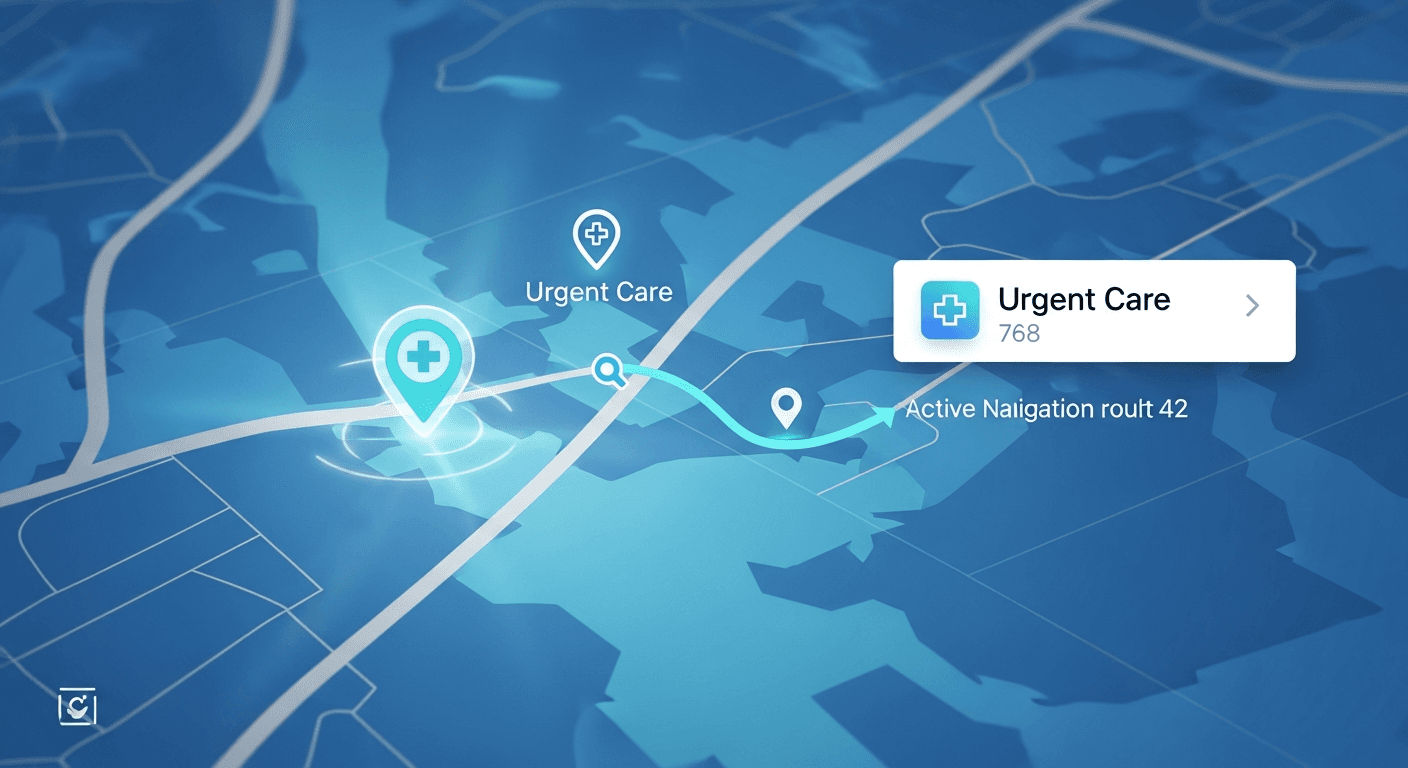
Most urgent care searches are fast and local. Patients are not studying your About page while sitting in triage discomfort. They check stars, distance, and whether you look open right now.
Let us look at the math. Page-two visibility captures less than 1% of local search traffic. Paid ads can bridge the gap, but mature SEO usually lowers blended acquisition cost toward ~$35 while paid acquisition in high-value verticals often sits around $150-$300 over a 12-month horizon. That difference funds staffing, not vanity dashboards.
Google Business Profile accuracy is your open-now promise
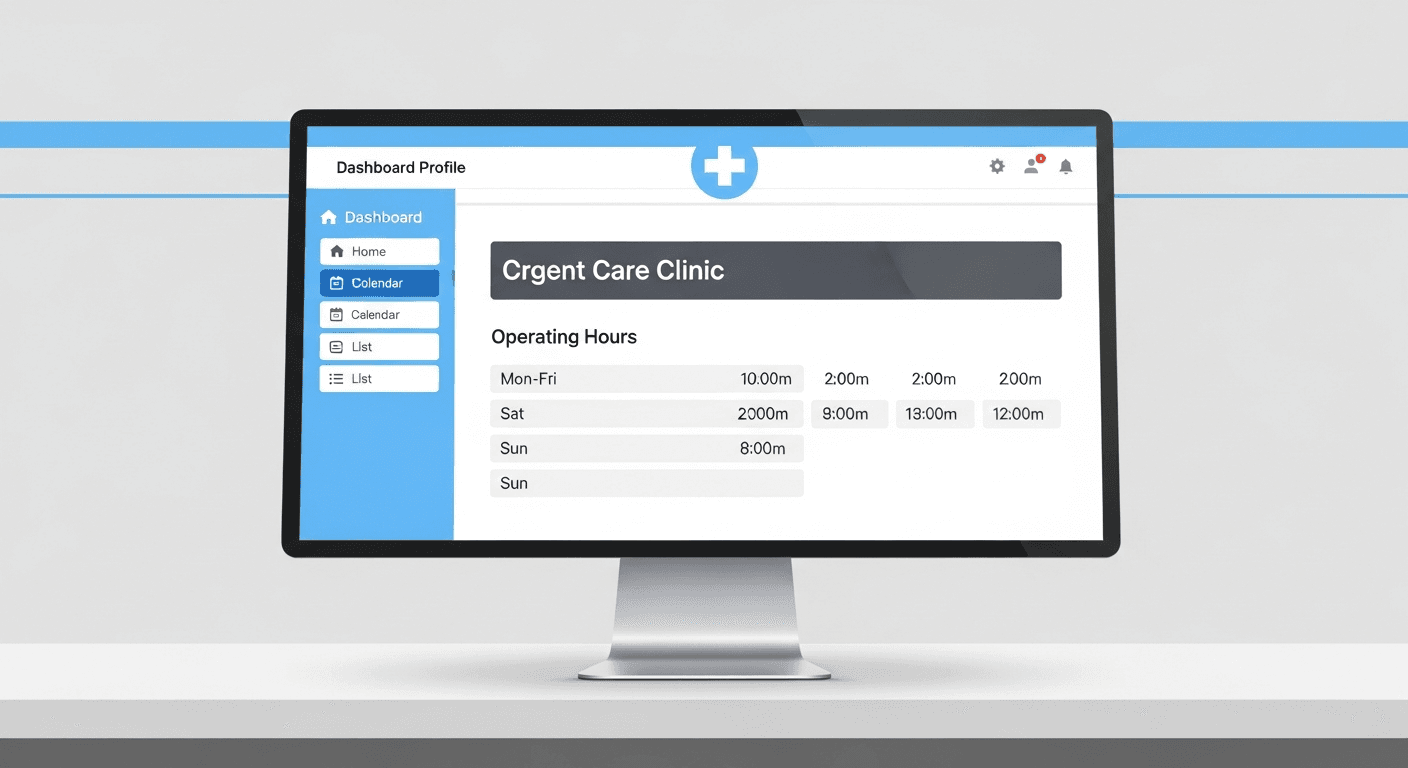
Our strongest opinion here: claim and complete your profile before paying for complex campaign architecture. Google Business Profile can drive around 50% of local patient traffic when the basics are right, and that is a free lever.
Keep hours precise. Update holiday exceptions. Match service labels to what patients type, not your internal billing language. Google documents profile best practices in the Business Profile Help Center.
Build service pages for symptom intent, not brochure language
WebFX and Funnel Boost both lean hard on service-page depth for a reason: searchers type real-world problems, not your org chart. A clean page for flu symptoms, sprain evaluation, or X-ray availability beats one broad paragraph of marketing copy.
Keep these pages fast. A site that loads over three seconds can lose 40% of visitors. That is digital plaque in the arteries of your funnel. For technical cleanup, use the same checklist we use on rebuild calls in doctor website builder and 2026 doctor website checklist.
Reviews and front-desk workflow set your conversion floor

Ratings are not cosmetic. If your public rating drops below 4.0, conversion can collapse by up to 60%. No agency trick beats a front desk that answers quickly and sounds like it wants to help.
Ask for reviews after good visits with a simple, polite SMS. Then respond consistently. If your reputation process is chaotic, solve that first and read our deeper breakdown on how online reviews affect patient choice.
When not to hire an SEO agency yet

We have talked urgent care operators out of retainers for the same reason more than once: the profile was unverified, hours were wrong, and location pages were thin. Buying strategy before that is like ordering a CT before checking vitals.
Do the free fixes first. Verify profile ownership. Correct duplicated listings. Publish clear core services. If the channel still underperforms, then review budgets and sequence with us on pricing or the workflow in how it works.
For official SEO fundamentals, Google keeps the cleanest baseline in the SEO Starter Guide.
Straight answers
What are urgent care SEO services in plain language?
They are the systems that help your clinic show up in Maps and organic search when same-day patients are looking now.
Should we run ads before fixing local SEO basics?
Usually no. Ads drive traffic quickly, but broken profile data and weak mobile paths turn paid clicks into expensive drop-off.
How long do urgent care SEO improvements take?
Technical cleanup can launch quickly. Durable gains generally build over several months as map consistency and reviews mature.
Does Google Business Profile matter that much?
Yes. For urgent care, it is often the first and only click before a call or directions tap.
When should we rebuild before doing more SEO?
If the site is over five years old, slow, and not reliably mobile-friendly, rebuild first and then scale traffic.
What should we measure first?
Calls, direction requests, booked visits, and cost per acquired patient. Everything else is secondary.
Since 2016, we have scaled 412 clinic campaigns by treating growth like clinical workflow: triage first, then intervention, then measured follow-up. Go finish your charting. We will keep the map layer from flatlining.