

Diagnosis: treat local SEO for urgent care centers like a multi-site handoff, not like a single-brand vanity project.
If you want the broader playbook on urgent care demand capture, read our urgent care SEO services guide. Ready to see how acquisition software fits your clinic? See our urgent care patient acquisition software. This page stays on the local layer: map pack reality, profile truth, citations, and the moment we tell you to fix the free stuff before you fund a retainer. For the physician-wide map baseline, pair it with local SEO doctors.
The map pack does not care how polished your brand deck is
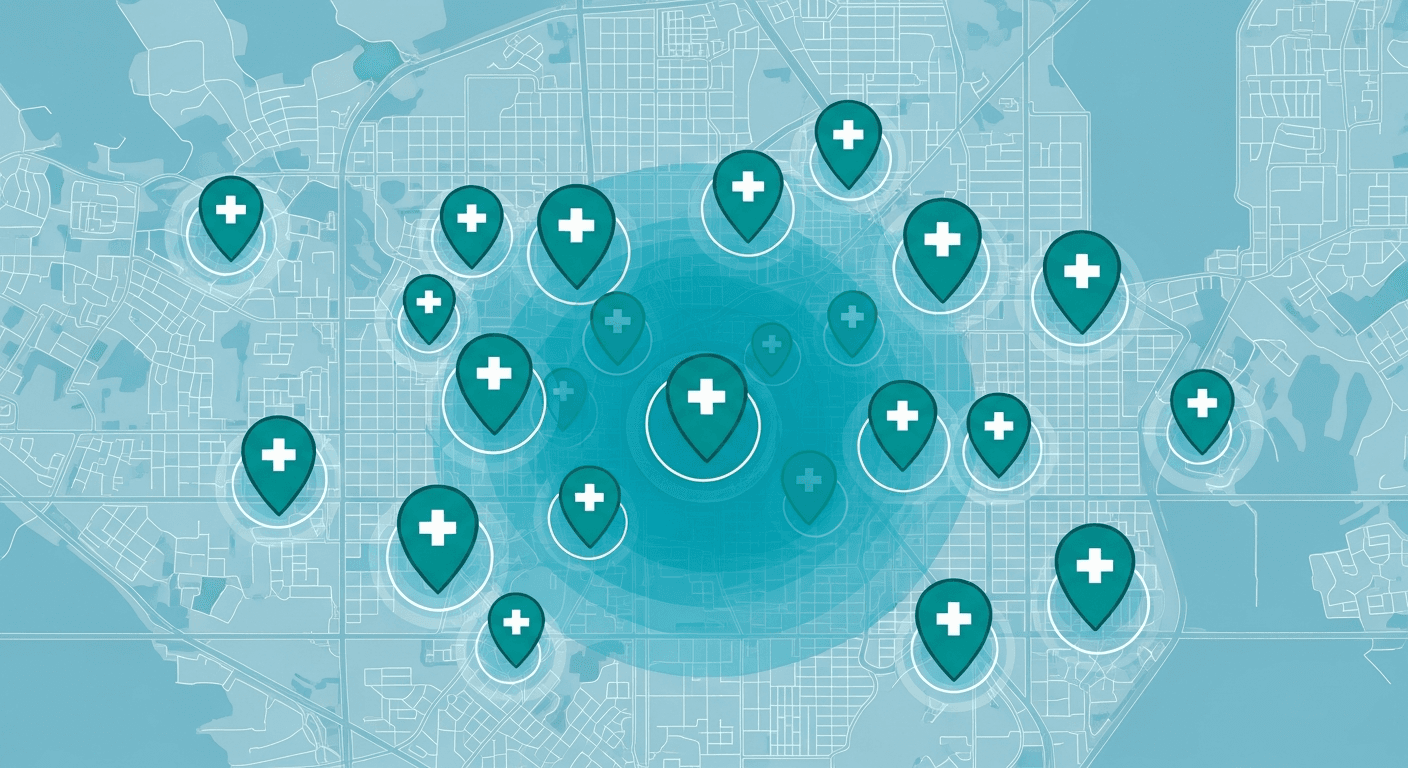
Urgent care traffic behaves like emergency-light triage. Patients search distance, open-now signals, and stars while standing in a parking lot. Your homepage hero can wait.
Let us look at the math. Page-two visibility captures less than 1% of local search traffic. Paid ads can buy placement, but mature SEO often drags blended cost per acquisition down toward $35 while implant-level ad CPAs can sit closer to $150–$300 over a twelve-month horizon. That gap pays for mid-level coverage on a Saturday night.
Older urgent care groups often carry digital roots under the sidewalk: a prior suite, a departed medical director, or an acquisition that never merged listings. We merge duplicates, align data, and teach the front desk which phone number actually answers. It is the same class of cleanup as reconciling vitals before you push meds.
Google Business Profile is where "open now" becomes a contract
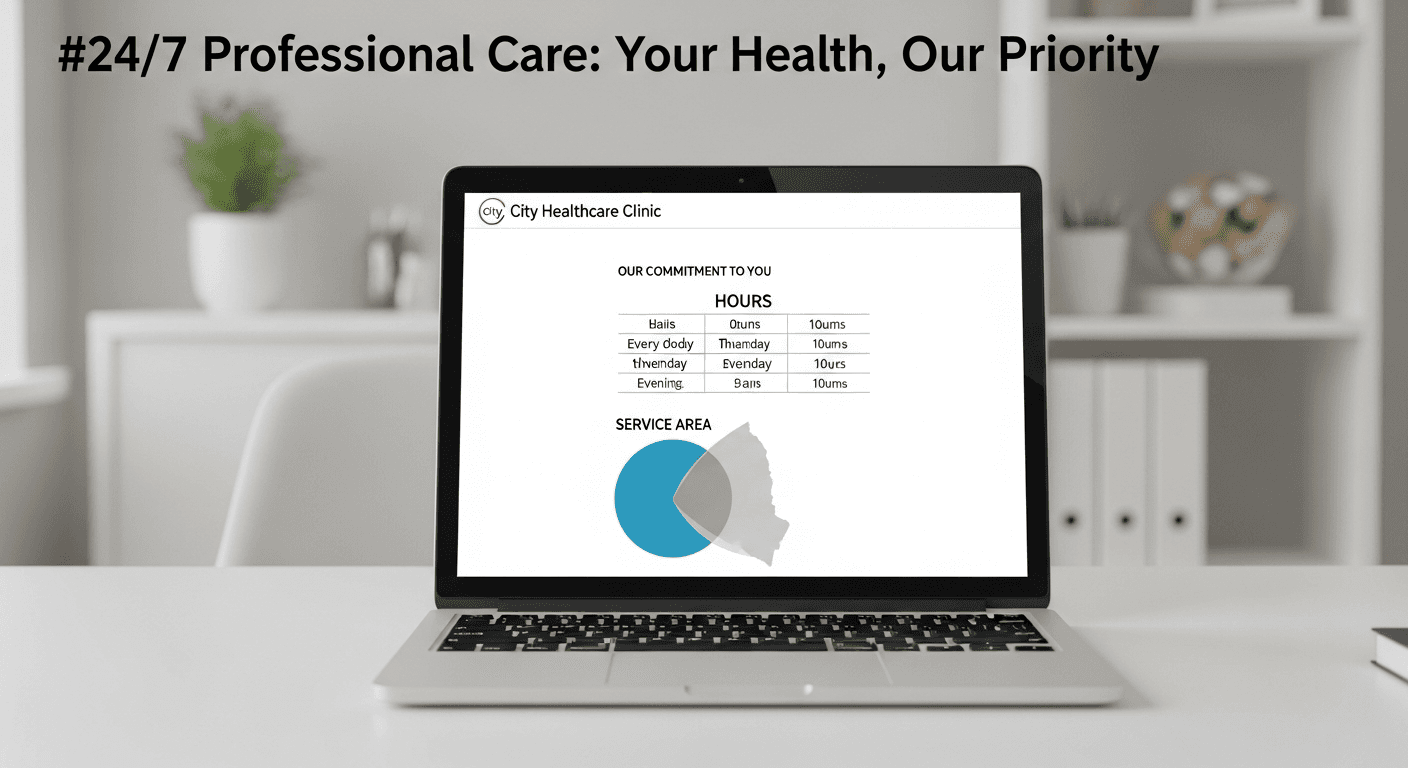
Our strongest opinion stays boring on purpose. Claim and complete the profile before you fund complex campaign architecture. Google Business Profile can drive around 50% of local patient traffic when the basics are right, and it is a free lever.
For urgent care, hours are clinical truth. Specials, holiday edits, and after-close messaging should match what the charge nurse will defend at the door. Service areas belong to how you actually operate, not how far you wish patients would drive.
When we want you to keep your credit card in your coat: if Google mailed a verification postcard and it is still sitting under a flyer on the desk, finish that before you pay us to "optimize" anything. We have watched a five-digit code fix a missing pin faster than a strategy deck.
Official reference: Google publishes verification and business information guidance in the Business Profile Help Center.
Location pages should answer "urgent care + city" without cloning spam
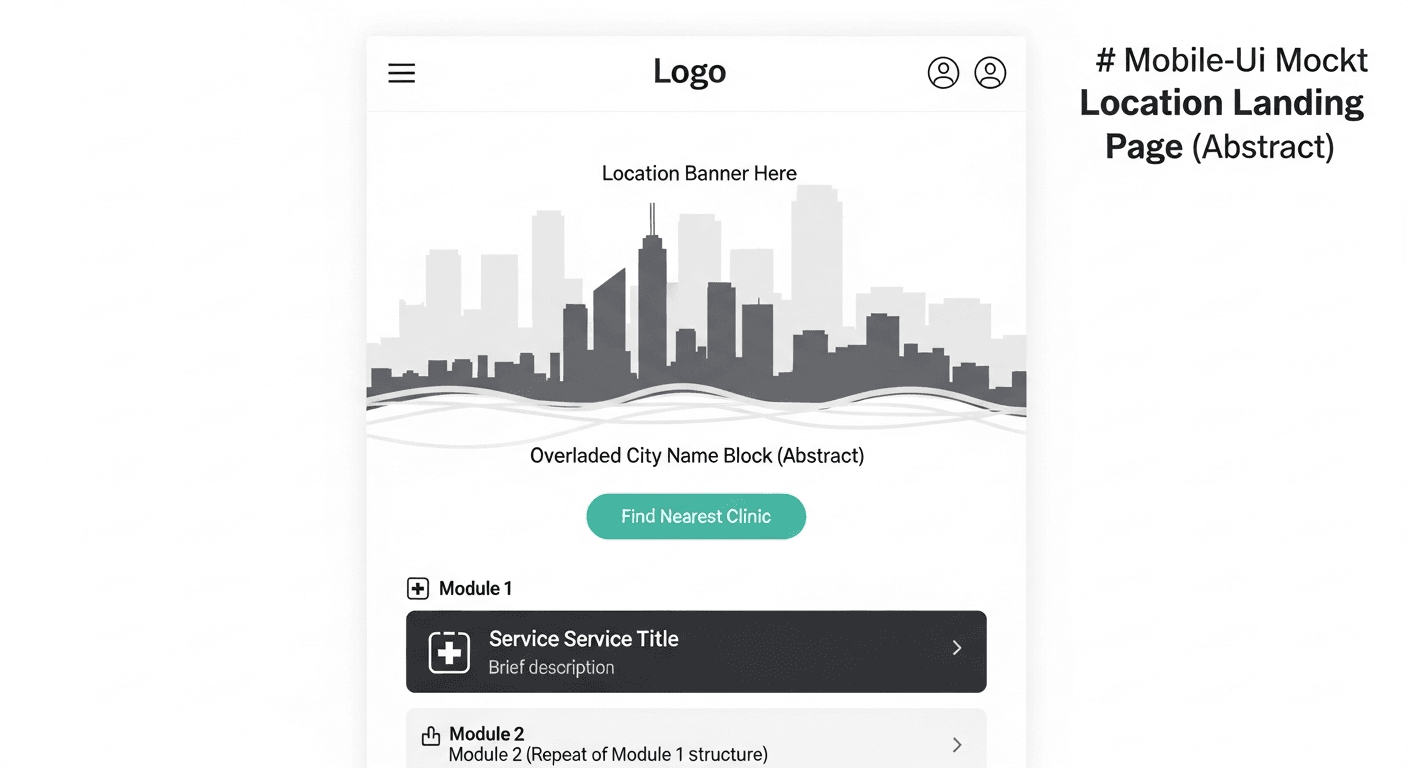
Each door gets a clean URL with parking, wait-time reality, scope of services, and what you send to the ER. Swap photos, staff faces, and neighborhood landmarks. Do not spin ten near-duplicate paragraphs with the city name swapped like a mail-merge error.
Tie reviews and FAQs to that location where it makes sense. If you want the reputation floor in plain language, read how online reviews affect patient choice.
Citations drift. NAP is how you stop the silent bleed.
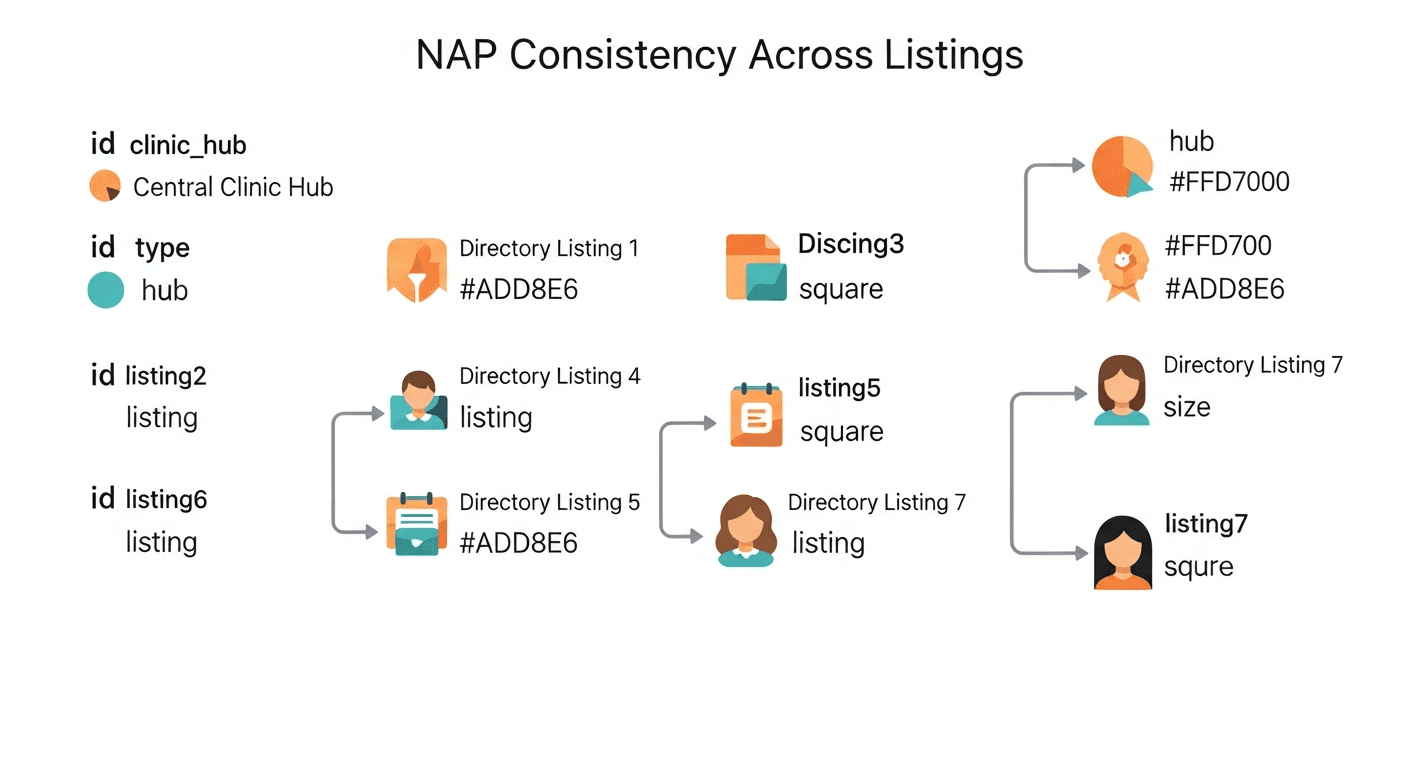
Name, address, and phone should match your signage, your insurance contracts, and the number your front desk answers. When Facebook, Yelp, and data aggregators disagree, Maps gets indecisive and patients get curbside confusion.
This is not glamorous work. It is plumbing. We still do it because we have watched split NAP behave like a slow GI bleed: quiet until the ranking tank is obvious.
Duplicates, old suites, and departed clinicians still eat your signals
The ghost listing pattern is common after acquisitions or when a medical director leaves and the marketing team forgets a legacy profile. Two pins argue about the fax line. The algorithm picks one. The wrong phone rings. Everyone blames "SEO."
Merge duplicates, redirect old URLs where appropriate, and document who owns each GBP login. If an agency ever registered your domain under their name, fix that before you fix hreflang. We have seen hostage domains during discovery calls, and they are not theoretical horror stories.
Speed is still the digital waiting room
A three-second load can push roughly 40% of visitors away. That is four out of ten people leaving while your front desk is on hold with a payer.
If the site is five-plus years old and mobile is shaky, rebuild before you pour more local budget into traffic you will lose on the bounce. We have been at this since 2016 across 412 clinics with a 92% retention rate because we say that out loud instead of cashing the check.
For the step-by-step of how we work before you book time, read how it works.
Straight answers
What does local SEO for urgent care centers mean in plain terms?
It is Maps-first visibility plus consistent practice data and fast mobile pages for each location patients can actually walk into.
Should multi-site urgent care use one Google Business Profile or many?
One verified profile per real door. Do not invent virtual suites to game radius rules.
How long until local SEO changes show in Maps reporting?
Expect onboarding fixes on a roughly 14-day launch cadence from kickoff, then compounding lift over the next quarters.
Do duplicate listings hurt urgent care map rankings?
Yes. They split authority and confuse callers.
Is Google Business Profile really half of local traffic?
It can be about half when the profile is complete and accurate.
When should we rebuild the website before more local SEO spend?
If the site is five-plus years old and mobile is unreliable, rebuild first so you do not pay for clicks that bounce.
Are paid local ads enough if Maps profiles are messy?
Ads fill short-term holes. Hybrid wins for most groups because SEO compounds while ads stop the minute the card declines.
For a calm overview of how search pieces fit together, see Google's SEO Starter Guide. For structured data vocabulary on local entities, schema.org is the dry reference shelf.
If the map layer still looks haunted after you verify profiles and align NAP, book a discovery call on pricing. We would rather tell you the boring truth than sell you a dashboard that only impresses your cousin. Go finish your charting.