

Diagnosis: hire freelance healthcare website designers when the job is a defined site build or refresh—and you can own credentials, approve copy, and answer intake questions without a marketing department behind you.
We scraped what ranks for this query—agency pages from Cardinal Digital, regional shops, and listicles from Awesomic and DesignRush—and filtered everything through solo-fit reality. Most SERP content sells enterprise retainers. Almost none tells a solo doc how to vet healthcare web designer portfolio work, draw HIPAA lines on forms, or decide freelance vs agency medical website scope before money moves. For invoice math, read our doctor website cost guide. For builder alternatives, see doctor website builder.
When a freelancer beats an agency

Nine times out of ten, the wrong hire is a scope mismatch—not a talent problem. Enterprise agencies sell dashboards, brand systems, and multi-location playbooks. A solo practice needs a site that loads on a phone, a map pin that points at the right door, and a front desk that can convert a curious click into a booked visit.
A freelancer wins when:
- You have a written page list, brand direction, and clinical copy ready—or you accept that copy delays are on you, not them
- The job is design and build, not ongoing SEO, ads, reputation, and intake optimization
- You or your office manager can test mobile booking and answer form submissions without a dedicated marketing coordinator
- Budget is project-based, not a multi-year retainer you cannot exit cleanly
An agency—or a disclosed operator like Patients Finder when map, site, and intake need one throat to choke—wins when the bottleneck is acquisition, not pixels. Cross-read best healthcare marketing agency for solo practices USA if you are already past the build-only stage.
What freelance healthcare designers actually deliver
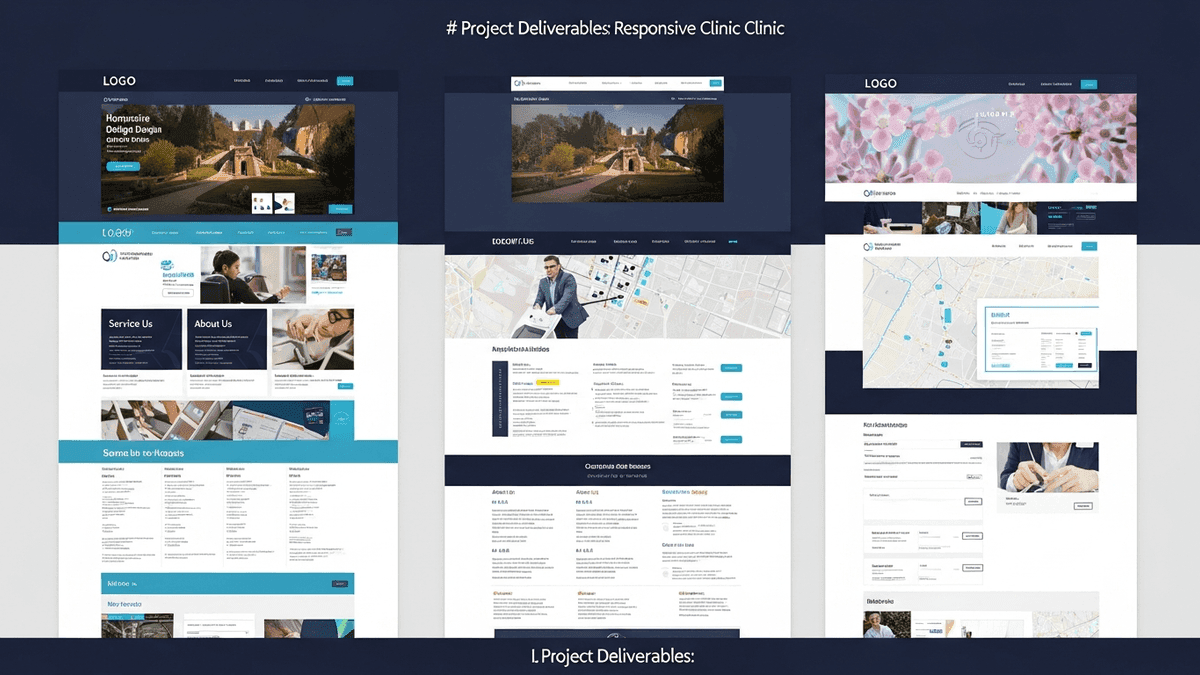
Physician website design freelancers should hand you a defined package—not vibes. Before you sign, map deliverables against what patients actually touch: mobile layout, service pages, provider bios, contact paths, and booking handoffs.
Typically in scope:
- Responsive page templates for core services and location information
- Integration with your chosen booking or contact stack—not inventing a custom EHR bridge unless that is explicitly scoped
- Basic on-page structure: titles, headings, internal links, image alt text
- Launch checklist: SSL, redirects, analytics hookup in accounts you own
- Handoff documentation so the next vendor is not decoding mystery CSS
Usually not in scope unless you pay for it separately: local SEO campaigns, Google Business Profile merges, review automation, paid ads, clinical content strategy, HIPAA legal review, or fixing a front desk that puts new-patient callers on hold. Treating medical practice website design like a magic patient faucet is how solo shops buy a brochure and wonder why the schedule still has gaps.
If you need a faster launch with fewer custom pages, compare a medical website templates path or a HIPAA compliant website builder before you commission custom work. Templates are not shameful. They are triage.
How to vet a healthcare web designer

The SERP wants you to admire agency logo walls. You need a vet healthcare web designer portfolio process that survives a fifteen-minute discovery call without brochure hypnosis.
Portfolio pass: Open three live clinician sites on your phone—not desktop mockups. Tap call. Try booking. Read a service page. If every sample is a restaurant or SaaS startup, you are not looking at best website for doctors experience. You are looking at a generalist who will learn HIPAA boundaries on your dime.
Reference pass: Ask for two practice administrators you can call. Ask what broke after launch and how quickly the designer responded. Speed matters when your intake form dies on a Monday morning.
Contract pass:Scope lists pages, revision rounds, timeline, and who owns files. Hosting and domain stay in accounts registered to the clinic—not the designer's personal email. Separate any future SEO or ads work as its own line item so you are not locked into mystery monthly fees after the build ships.
HIPAA pass: Marketing forms are not the chart, but sloppy intake design still creates compliance risk. Ask which form vendor they recommend and whether a BAA is required before patients type symptoms into a text box. HHS HIPAA guidance is the baseline—not a designer's handshake promise. Our opinion, backed by too many discovery calls: do not DIY HIPAA compliance on intake hooks you do not understand. Tweaking colors on the weekend is fine. Wiring an unencrypted contact form to collect clinical detail is how clinics learn about OCR the hard way.
Use our 2026 doctor website checklist for solo providers as the acceptance test before you mark the project complete.
Red flags before you hand over the domain

We hear this on discovery calls constantly: the last vendor—freelancer or agency—will not hand over the login to the clinic's own website. The domain was registered under their email. DNS lives in their Cloudflare. Analytics is tied to their Google account. That is the hostage-domain pattern. Your digital front door held by someone else's credentials.
End the call if:
- They insist on registering the domain or hosting under their name for convenience
- The portfolio is template churn—same skeleton as dozens of clinics with your logo swapped on the header
- HIPAA is waved away as fully handled without naming form vendors or BAA boundaries
- The quote bundles future SEO, ads, and maintenance into one opaque monthly number with no itemization
- They guarantee page-one Google rankings in a fixed timeline
- They will not put file ownership and credential transfer in writing at launch
Silence on domain ownership is an answer. Walk away unless credentials transfer on day one—or you enjoy negotiating with someone who holds the keys to your waiting room sign.
Freelancer, builder, or agency—which fits
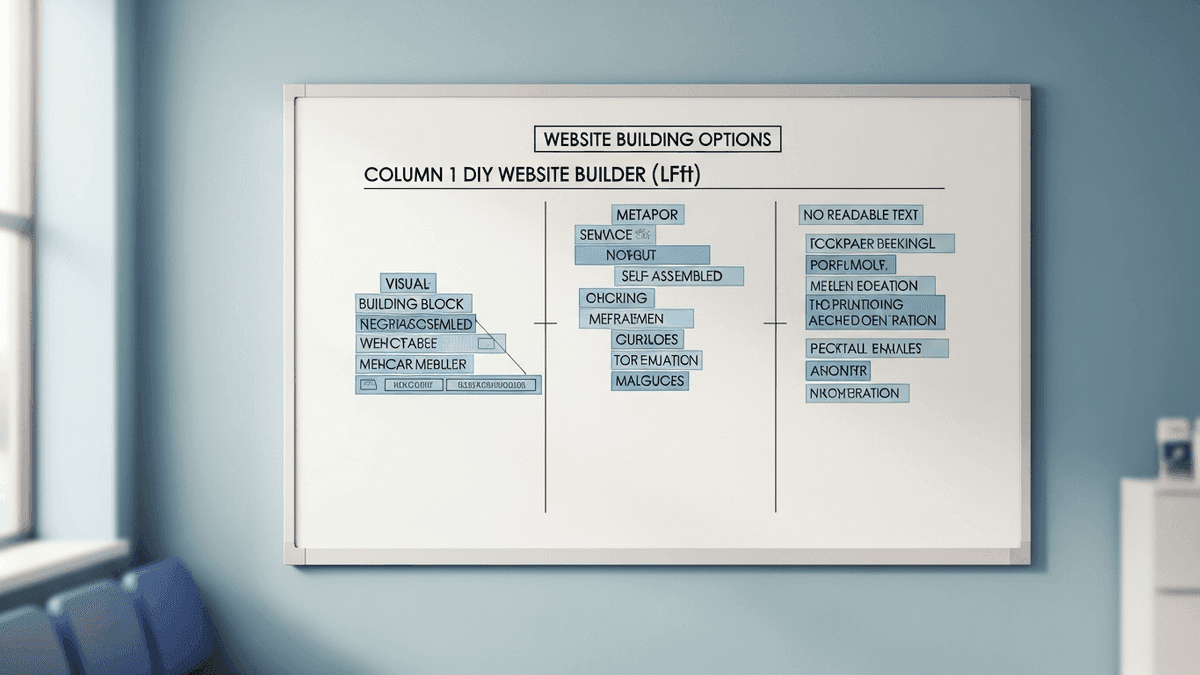
Think of this as triage, not a personality test. You are picking infrastructure for patients who will bail if the mobile experience feels like 2012.
Healthcare website builder / template path fits when you need to create a medical practice website quickly, page count is modest, and you accept platform constraints. Good for solos who will maintain copy themselves and already fixed map hygiene. See doctor website builder for platform tradeoffs.
Freelance healthcare website designers fit when you want custom layout, clearer handoff, and a defined build—but you can supply copy, approve clinical language, and test intake without a marketing department.
Agency or disclosed full-stack operator fits when SEO, ads, reputation, map entity, and intake conversion need one accountable team after launch—and when you want reporting tied to booked visits, not impression theater.
Patients Finder (disclosure: us)belongs in the third bucket, not the freelancer bucket. We build custom sites and run healthcare marketing for independent practices with a Solo Practitioner tier at $999 per month—flat, not "starting at." We separate ad spend from agency fees, mandate client-owned domains, and launch campaigns within two weeks of kickoff per our onboarding SLA. Best when you want owned infrastructure—map, site, intake—not a one-time brochure that nobody maintains. See how it works.
Our solo caveat: We are a bad fit if you only need a five-page refresh and will maintain everything yourself—hire a vetted freelancer instead. We are also a bad fit if you want guaranteed overnight rankings. That is snake oil. We do not sell it.
Performance expectations belong in every path. Google's Core Web Vitals guidance is a useful acceptance test whether you hire a freelancer, a builder, or us.
When not to hire us yet
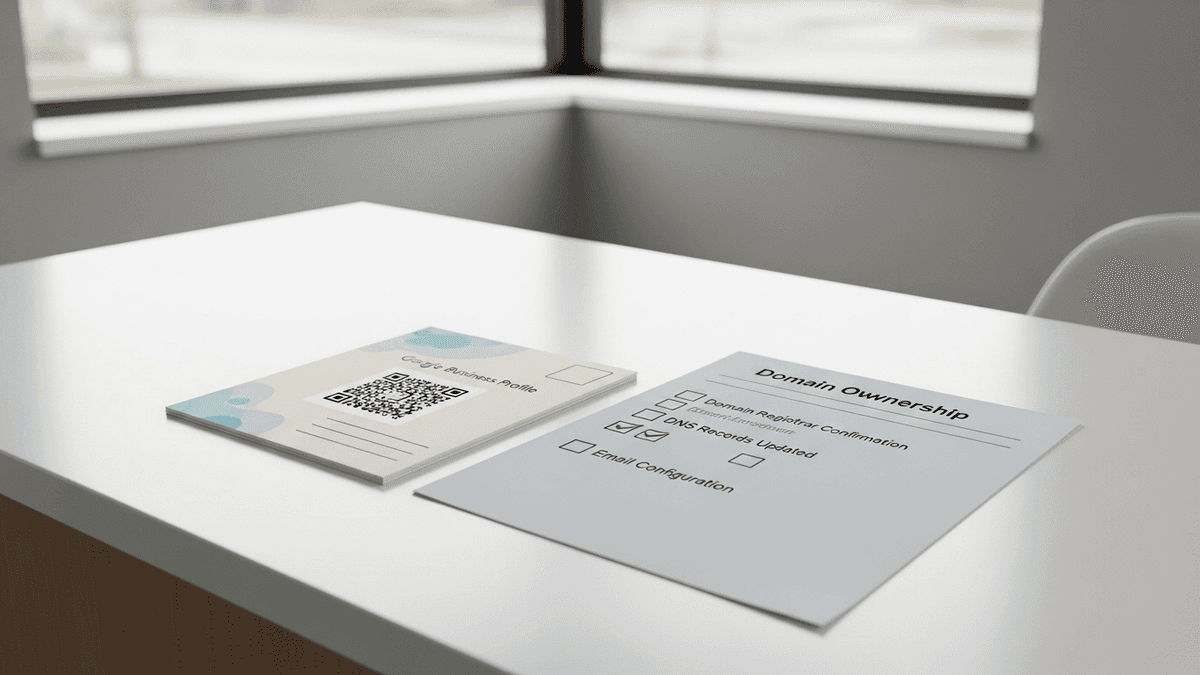
Do not hire Patients Finder—or a freelance healthcare website designer, or anyone else—if the free layer is still hemorrhaging:
- Google Business Profile unverified or forked across old addresses—claim it via Google's verification flow
- Domain or DNS still registered under a prior vendor's email
- Click-to-call and mobile booking untested on a phone—not your desktop
- You want a new skin on the site but refuse to fix intake or hold times
Fix map, domain, and call handling first. Then hire a freelancer for the build —or book a discovery call if you need the full stack. Paying for design while the map pin points at a parking lot is imaging before vitals.
Straight answers

Freelancer or agency for a solo doctor?
Freelancer for a defined build with clear spec. Agency—or Patients Finder when you want one operator for map, site, intake, and acquisition—when the job does not end at launch.
What belongs in the contract?
Page scope, mobile expectations, form integrations, revision rounds, credential ownership, and explicit HIPAA boundaries on intake—not a single opaque monthly bundle.
How do I vet the portfolio?
Live clinician sites on mobile, two callable references, and proof they have shipped healthcare—not only general small business work.
Can the designer own my domain?
No. Clinic-controlled registrar, DNS, analytics, and ad accounts from day one.
Do freelancers handle HIPAA?
They should define where marketing intake starts and stops. Vendors that touch patient-identifying information need BAAs—hand-waving is not a strategy.
When is a builder enough?
Modest page count, fast launch, you maintain copy, and map hygiene is already fixed.
Fix Google Business Profile before a new site?
Yes—when verification, duplicates, or wrong phone numbers are still open. Traffic to a broken map entity wastes every design dollar.
Freelance healthcare website designers are the right call when the spec is clear and credentials stay yours. They are the wrong call when the map pin, intake path, and domain are still hostage to the last vendor. Go finish your charting. Vet the portfolio on your phone before you wire the deposit.