

Diagnosis: treat review automation like a recall protocol—timed, consented, and boring—not like a reputation fireworks show.
This guide is for independent and small-group US clinics that need systematic patient reviews without buying enterprise reputation theater. For when to ask and checkout scripts, read our how to get more 5-star reviews for medical clinic playbook. This page owns the systems layer: vendors, BAAs, EHR wiring, and the unhappy-patient funnel before Google sees them.
Manual review asks stop working at about twenty patients a day

A polite ask at checkout works when volume is human-sized. At twenty-plus visits, the front desk becomes air-traffic control. Review requests fall off the runway with the copay receipt and the prior auth fax.
Batch-fifty old charts on a Friday and Google may side-eye the spike anyway. Steady drip beats surge—the same discipline as automated appointment reminders. Automation exists so the ask happens whether or not Tuesday was chaos.
Strangers still skim stars before they tap call. When a rating drifts under 4.0 stars, online conversion can crater by up to 60%. Automation does not ad-spend past that floor. It just makes sure satisfied visits actually get counted.
Fix checkout before you automate the ask

Our hot take stays simple: audit the front desk before you buy reputation software. Marketing makes the phone ring. If hold times stretch and the MA sounds like they are doing charting while answering, automated review texts just document the problem in public.
We once talked a doctor out of a four-figure monthly retainer because his new suite was not verified on Google Maps. He had not typed the postcard code. We told him to finish verification first. He was fine forty-eight hours later. Same bar here: if checkout feels like triage in a war zone, fix the chair before you wire the SMS.
Tie automation to one CRM field—visit completed, satisfaction flag, no open complaint—so texts only fire after a defensible moment. Our healthcare CRM for solo providers guide explains why front-desk memory fails before enterprise theater does.
HIPAA rules for automated review texts

Automated patient review generation is fine. Automated clinical detail is not. A post-visit text should thank the patient and link to your public profile. It should never name a diagnosis, a procedure, or a medication.
Template, deadpan version: "Thanks for visiting [Clinic Name] today. If we earned it, an honest Google review helps other patients find us: [link]. Reply STOP to opt out." That is the whole sermon. Anything clinical belongs in the chart, not the SMS thread.
If a vendor stores numbers or visit metadata, they need a signed BAA covering the full workflow—not just the intake widget on their pricing page. Read the HHS HIPAA guidance for professionals before you let a reputation SaaS touch PHI. Google's review policies for Business Profile are separate—but you still cannot bribe stars or gate care on feedback.
Vet review automation vendors with a BAA audit
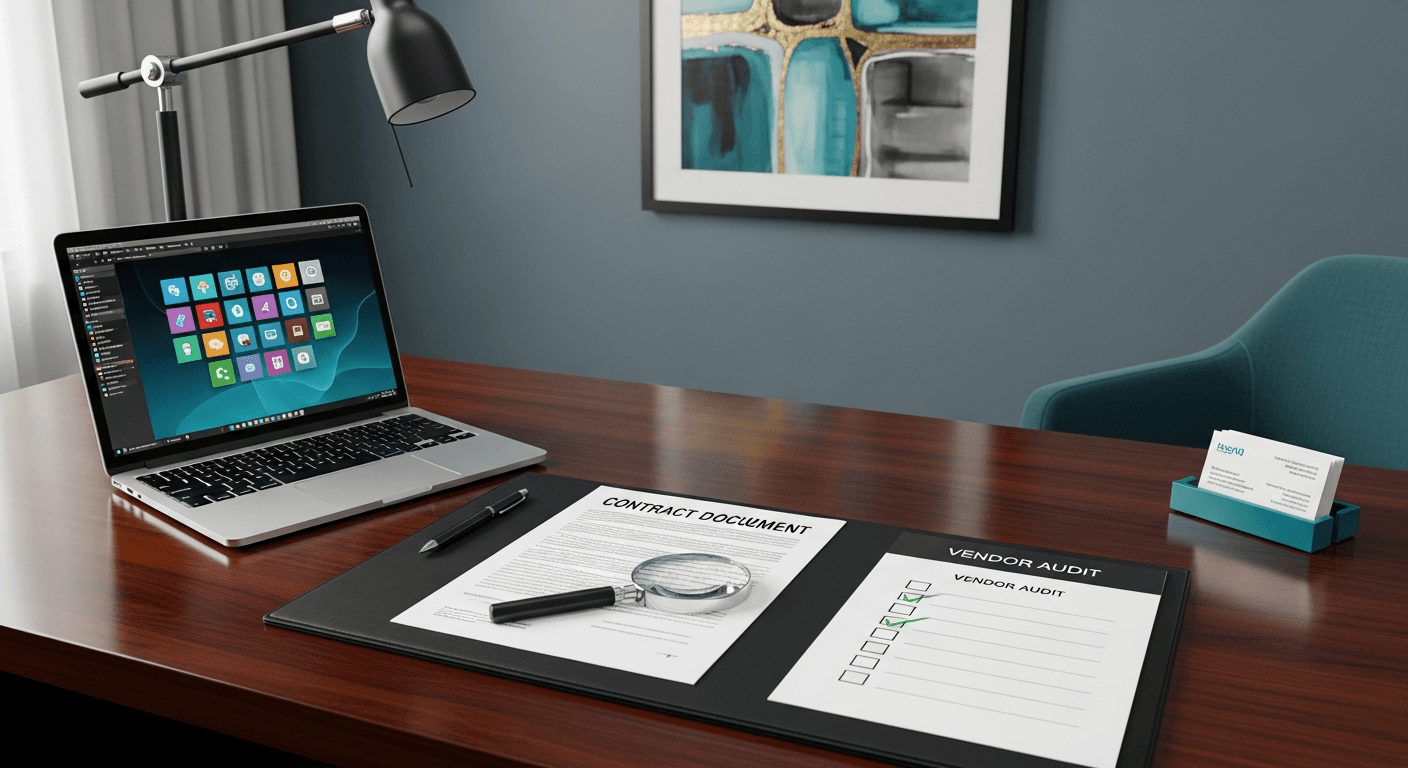
The SERP is full of reputation suites that read like EHR brochures. Most solo clinics need three answers before signing: Does the BAA cover SMS storage? Can you export your patient list if you leave? Is ad spend bundled into the invoice?
Red flags: no BAA on the plan you can afford, templates that pre-fill clinical fields, or a dashboard that only counts impressions instead of booked visits. Vanity metrics do not pay malpractice insurance.
Ad spend stays separate from agency fees—same rule as healthcare PPC management for solo providers. If a vendor bundles Google Ads with reputation automation and will not itemize the invoice, treat that like a prior auth with no medical necessity attached.
Wire automation into your EHR or CRM without double entry
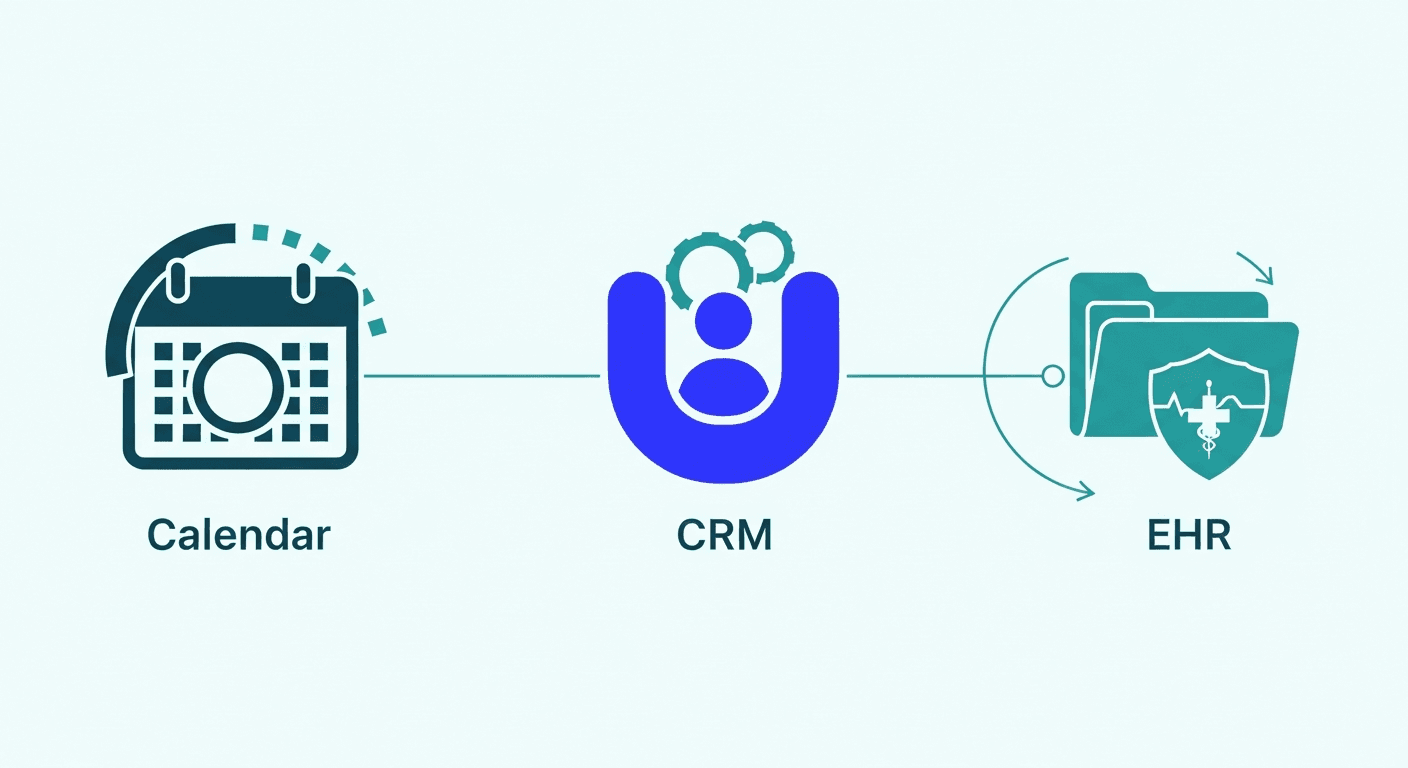
The best automation trigger is the one your front desk already trusts: checkout complete, no billing hold, no open complaint flag. Native EHR modules work when they exist. When they do not, a lightweight CRM bridge beats a second login nobody opens.
Map the flow on one index card before you buy software: visit ends → wait two to four hours → private satisfaction ping → branch high scores to Google, low scores to manager callback. If the vendor cannot diagram that without forty integration hours, you are buying shelfware.
For the broader reputation stack—listings, response policy, map handoff—see our online reputation healthcare hub. Automation is one layer, not the whole organ system.
Send unhappy patients somewhere besides Google first
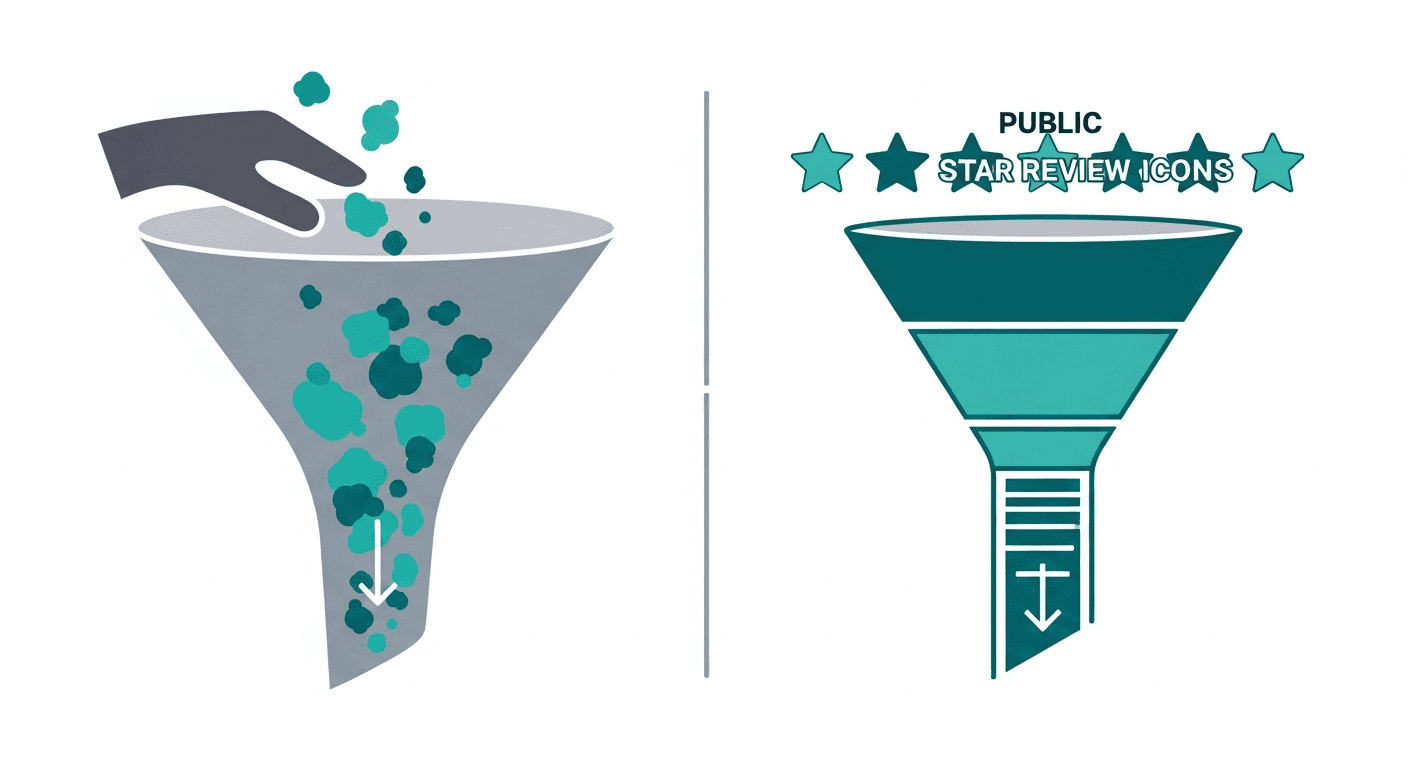
Public review automation without a private branch is how a billing dispute becomes a one-star novel. Send a one-question satisfaction check first. Scores of four or five get the Google link. Lower scores route to a human with a callback script—not a guilt trip, a repair ticket.
That branch is the piece most vendor landers skip. They want more stars. You want fewer public autopsies of a bad Tuesday. Fix the visit when you can. When you cannot, at least keep the autopsy off the map pack.
When we want you to skip software entirely: rating under 4.0 because operations leak, hold times that sound like on-hold music from 2008, or a front desk that has not mapped who owns the complaint callback. Read how it works if you want the honest gate before a retainer.
Straight answers
Is automated patient review generation HIPAA compliant?
It can be, if the vendor signs a BAA, messages avoid clinical detail, and patients can opt out. Generic thank-you texts with a Google link are fine; diagnosis-specific nudges are not.
What should a HIPAA-safe automated review request text say?
Thank the patient for visiting, link to your public review profile, and include STOP opt-out language. Never name a procedure, medication, or diagnosis in the message body.
Do review automation tools need a signed BAA?
Yes, when the tool stores names, phone numbers, or visit metadata on your behalf. If a vendor will not sign a BAA covering the full workflow, treat the product as marketing-only and keep PHI off it.
Can solo practices automate Google review requests from their EHR?
Often yes, through native modules or a CRM bridge—but only after checkout workflow and consent rules are defined. Many EHRs can trigger a post-visit SMS; fewer handle unhappy-patient routing well.
How do you stop unhappy patients from posting publicly first?
Send a private satisfaction check before the public review link. Low scores route to a manager callback or internal form; high scores get the Google URL. Automate the branch, not the guilt trip.
When should a clinic skip review automation software?
When checkout is chaotic, hold times are long, or your rating is under 4.0 stars because operations are leaking. Fix the chair and the phone tree before you pay for another SaaS invoice.
What is the difference between review automation and recall SMS?
Review automation asks for public feedback after a completed visit. Recall SMS brings patients back for overdue care. Mixing the two in one blast confuses patients and annoys compliance officers.
We have been at this since 2016 across 412 clinics with a 92% retention rate because we tell you when the free fix beats the retainer. Go finish your charting. If checkout is solid and you still need the wiring diagram, book a discovery call on pricing.