

Diagnosis: word-of-mouth still matters, but it does not fill Tuesday afternoon gaps or defend your panel when a women's pavilion opens three miles away.
This guide is for one- to three-provider groups—not hospital marketing departments. We cover digital marketing for OBGYN practices as owned infrastructure, when an OBGYN marketing agency helps versus when you need platform sequencing first, and how to grow OBGYN practice volume without handing every new patient to a marketplace profile. For agency selection and retention loops, see our OBGYN marketing agency guide. For the specialty growth playbook, visit OB/GYN specialty services.
What OBGYN patient acquisition means for solo clinics
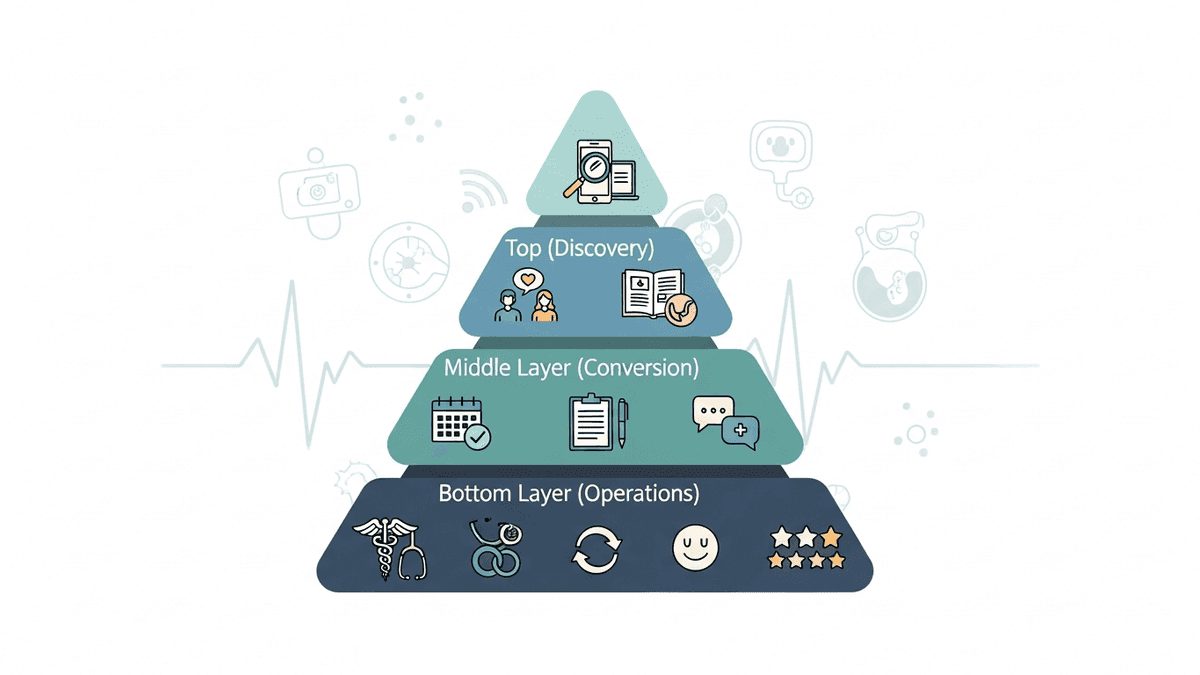
Hospital marketers talk about brand awareness. Your clinic talks about whether the front desk can answer before voicemail wins. OBGYN patient acquisition—for a practice with one nurse line—is the full path from search to scheduled visit, not a single software tile in an app store.
Nine times out of ten we see three layers tangled together. Discovery is Maps, service-line search, and the citations that tell Google you are one coherent entity—not three ghost profiles from an associate who left in 2019. (Yes, those still haunt your local pack like duplicate problem lists in the EHR.) Conversion is a fast site, HIPAA-aware intake, and a phone tree that does not audition patients with hold music. Operations is scheduling, recall, and review workflows your staff can run without opening six browser tabs.
Older practices often suffer from messy digital footprints—moved locations, retired partners, contradictory phone numbers on old directories. We merge those ghost listings before we talk software. Fix the roots once; stop watering three different map pins. That audit is gynecology patient acquisition hygiene, not glamour SEO.
Patient acquisition software vs. an OBGYN marketing agency

Vendors love blurring EHR, patient engagement apps, and marketing retainers into one shopping cart. For a solo clinic the distinction is simpler: paid campaigns are rent; owned search and booking paths are a mortgage. Ads can bridge a capacity gap. They do not replace a domain and map profile you control when the contract ends.
An OBGYN marketing agency typically sells creative cycles, media management, and reporting—useful when intake can convert and you know which service lines have chairs. OBGYN patient acquisition software, in the sense we mean it, is the owned stack: site, local SEO, scheduling automation, recall, and the integrations that keep PHI out of marketing forms. PatientsFinder executes both layers, but we sequence honestly. If your Google Business Profile is unverified, an agency retainer is burning budget on traffic that hits a confused map layer.
Marketplaces are a third species—rent with a per-booking meter. Read paid bookings vs. an owned channel before you fund another profile page you do not own. Ad spend stays separate from agency fees when you run PPC with us—you pay media directly, not through a bundled invoice that hides the line items.
Discovery, conversion, and operations stack
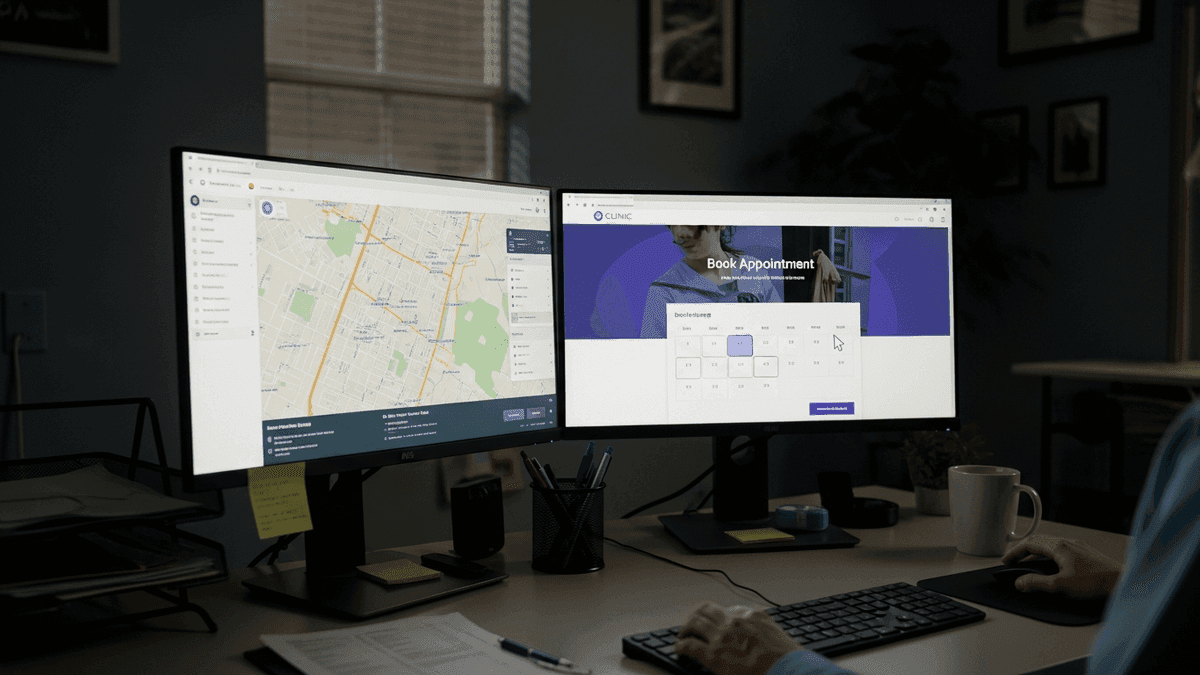
OBGYN SEO services for a small clinic are not a content factory. They are map hygiene, service-line pages, and technical basics that keep mobile patients from bouncing back to the hospital down the street.
Discovery.Patients search "high-risk pregnancy clinic near me," "menopause specialist," and "well-woman exam"—not "doctors." We build fast landing paths and clean Google Business Profile signals so your pin represents one practice, not a forked listing mess. Google's Business Profile Help Center is the baseline before you buy anything.
Conversion. A beautiful site is useless if it loads like charting on hospital Wi-Fi. We ship custom builds with sub-two-second targets, real clinic photos instead of stock-photo theater, and intake that keeps PHI off pages where it does not belong. HHS guidance on privacy remains the core reference in the HIPAA overview.
Operations. Your front desk should not be a switchboard for well-woman exams at 11 PM. Online booking, SMS reminders, and recall for overdue annuals cut no-show drag before it becomes a staffing crisis. Maps-first mechanics live in our local SEO for gynecologists guide. Recall policy spine: HIPAA compliant patient recall systems.
Well-woman and prenatal intent routing

Well-woman exam marketingfails when it hides behind a generic "services" page that also lists colposcopy, IUDs, and menopause in one scrolling wall of text. Patients skim; the algorithm skims faster.
Route intent like triage. Prenatal searches need trimester-aware copy, hospital affiliation clarity if you deliver at a system hospital, and a booking path that does not dump every visitor into the same contact form. Well-woman searches need scope, cadence, and insurance notes where you can publish them without inventing a legal department. Menopause and urogynecology lines deserve their own doors if you staff them—otherwise you are advertising chairs you do not have. (Chart the capacity you actually run. We will not tell.)
Small clinics win on clarity, not volume of blog posts. One strong prenatal page and one strong well-woman page beat a dozen thin articles that read like they were written for a medical journal nobody subscribes to. Tie internal links from your main OB/GYN hub so discovery equity flows to the intents that pay panel economics—not one-off telehealth visits you do not want to optimize the whole site around.
OBGYN marketing agency by market: what changes for solo clinics
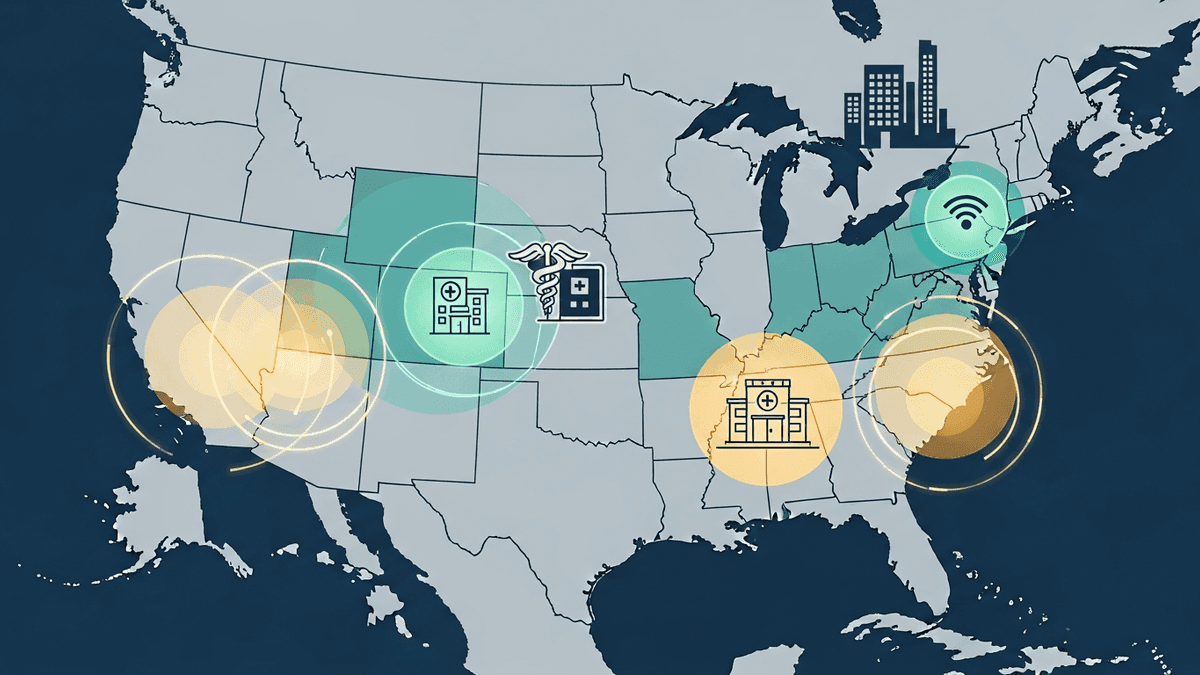
You do not need a billboard agency with your zip code on the slide deck. You need market literacy—how hospital systems flood the map layer where you practice. These notes cover common solo-clinic friction points; your mileage depends on payer mix, capacity, and how broken your listings are on day one.
OBGYN marketing agency New York. Metro density means duplicate hospital listings, affiliate noise, and patients who compare three pins before they tap call. Merge ghosts, nail NAP, and win service-line clarity before you buy media.
OBGYN marketing agency Florida. Snowbird seasonality and multi-location groups break NAP if every winter address is not disciplined. Seasonal demand swings punish clinics that pause recall when the waiting room feels full in March.
OBGYN marketing agency Texas and OBGYN marketing agency Houston.Fast-growth suburbs attract hospital pavilions with billboard budgets. Suburban solo groups win on map proximity and prenatal landing paths—not on out-spending a system's creative department.
OBGYN marketing agency California and OBGYN marketing agency Los Angeles. Coastal competition makes technical speed and real photos matter more than adjectives. Patients have options; slow mobile sites hand them to the next pin.
OBGYN marketing agency Chicago. Midwest referral patterns and hospital affiliation lines show up in search snippets whether you want them to or not. Make affiliation and delivery hospital facts explicit on prenatal pages—silence reads as chaos.
OBGYN marketing agency Atlanta. Southeast growth corridors mean new competitors every year. Reviews and public replies matter for sensitive specialties; astroturfing reads worse than a polite, HIPAA-safe thank-you.
National playbooks ignore these wrinkles. If your market is not listed, the sequence is the same: one map entity, split service-line pages, fix intake, then decide whether you need an agency, a platform partner, or a free ninety-day cleanup first.
When not to hire us yet

If your Google Business Profile is unverified, service pages are generic, and intake calls go to voicemail after the third ring—fix those before you pay for a platform retainer. That is triage, not a software problem.
We once talked a doctor out of a four-figure monthly SEO retainer because he had not verified the postcard Google sent to his front desk. He ranked locally two days later. We would rather earn trust with honesty than sell noise you do not need yet.
Claim your profile. Merge duplicate listings. Clarify prenatal and well-woman landing paths. Test mobile booking on a phone that is not yours. Then review how it works and pricing. (Yes, you should be charting. We won't tell.)
Straight answers
What is OBGYN patient acquisition for a solo clinic?
It is the full path from discovery to booked visit for a one- to three-provider group—not a hospital marketing department buying billboards. Discovery is Maps and service-line search. Conversion is a fast site, clear intake, and a phone tree that answers. Operations is scheduling, recall, and review workflows your front desk can run without a second SaaS login for every task.
Do I need patient acquisition software or an OBGYN marketing agency?
Agencies rent you campaigns and creative cycles. Acquisition software—in the sense we mean it—is owned infrastructure: your domain, your Google Business Profile equity, your booking paths. Many solo clinics need both sequencing and execution; the mistake is paying for either before Maps, intake, and service-line pages are coherent.
How is digital marketing for OBGYN practices different from generic healthcare marketing?
Intent splits early. Someone searching at midnight with a positive test is not the same visitor as someone booking a well-woman exam between meetings. Generic healthcare pages mush those intents into one "contact us" form. OB/GYN marketing needs separate landing paths, HIPAA-safe intake, and map signals that match the service line—not stock photos of smiling models in white coats.
What should well-woman exam marketing include on a small practice site?
A dedicated page with plain-language scope, insurance and self-pay notes where you can publish them, online booking or a click-to-call path, and internal links from your main OB/GYN hub. Do not hide well-woman behind a generic "services" dropdown that also lists prenatal, menopause, and procedures—patients and the algorithm both reward clarity.
How do I grow OBGYN practice volume without marketplace booking fees?
Own the map entity, build service-line pages for prenatal and well-woman intent, wire HIPAA-aware intake, and automate recall for overdue annuals. Marketplaces charge per booking and keep the relationship on their profile. An owned channel compounds—you keep the asset if you change vendors.
Do I need an OBGYN marketing agency in my city?
You need local market literacy, not necessarily a billboard agency with your zip code on the slide deck. Dense metros like New York and Los Angeles fight hospital duplicate listings; Florida fights seasonal demand swings; Texas and the Southeast fight suburban hospital pavilions. Hire help when map noise, intake leaks, or capacity planning outgrow what your front desk can fix in a lunch hour.
What OBGYN SEO services matter before buying software?
One verified Google Business Profile, merged ghost listings, NAP that matches your site, and fast service-line pages for the intents you actually staff. Software cannot fix a forked map layer or a contact form that sends PHI to an unencrypted inbox. SEO hygiene is the free layer most vendors skip because it is unglamorous.
When should a small OB/GYN clinic not hire a platform yet?
When the profile is unclaimed, duplicate listings split your authority, mobile booking breaks mid-flow, or voicemail is the default after the third ring. Claim the map pin, merge the ghosts, clarify prenatal versus well-woman paths, then decide if you need a retainer or a ninety-day free fix first.
You did not survive residency to lose prenatal panels to a hospital marketing department with a six-figure media budget. See where your clinic leaks today—then decide if we are the fix or if you should claim your Google profile and call us in ninety days. Ready to grow OBGYN practice volume with owned infrastructure? Go finish your charting.