

Diagnosis: treat rented profiles like a bridge medication—useful, not a replacement for fixing the underlying circulation.
If you want the full reputation playbook, read our online reputation healthcare guide. This page stays in the "Healthgrades alternative" search cluster: where third-party directories fit, where they steal signal, and what to fix on Google Maps before you sign another line item.
Directories are rented shelf space; your site and GBP are the deed

Marketplace profiles show up because patients search there. Fair. The trap is letting that shelf become the only place your NAP story looks coherent. A clinic on page two of local Google results captures less than 1% of that search demand, which is a brutal number when you are already paying staff to answer the phone like it is a pager storm.
Secondary phrases that belong on the same intent map include doctor reviews, patient reviews, and Google maps doctorswhen the searcher really means "who is open near me tonight." Keep one URL honest about that overlap so you do not mint three thin pages that argue like duplicate problem lists in the EHR.
Claim and complete the Google Business Profile before you fund paid directory upsells. Unfinished verification or sloppy categories waste spend the same way a stalled prior auth wastes a clinic slot—and you still pay agency time if nobody audits what went to ads versus what went to humans.
Duplicate profiles split authority like tree roots under an old sidewalk
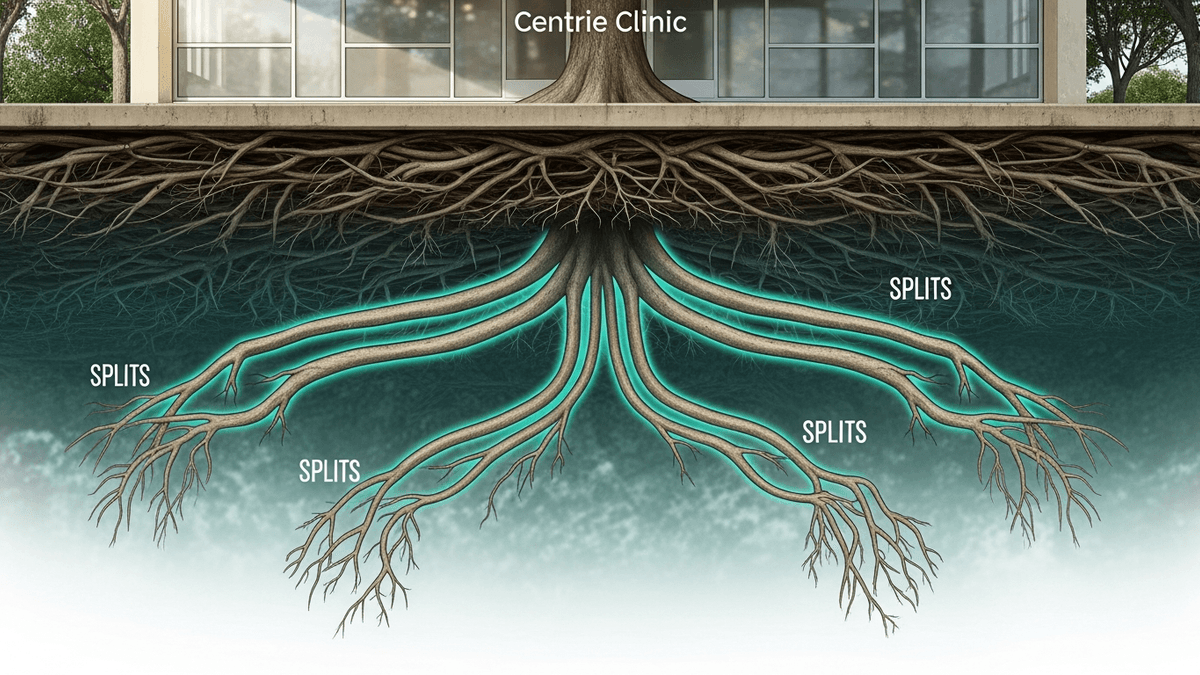
Older practices often carry messy digital footprints: a partner leaves, the suite moves, and now three profiles argue about the fax number while Google picks whichever listing looks least confused. That is the same class of problem as ghost map pins—we merge duplicates, align name-address-phone data, and clean citations so Maps has one story.
For the map-first checklist, jump to local SEO doctors. Directories rarely fix that root cause; they add another surface where the typo on suite 200B lives forever unless someone audits it like a medication reconciliation.
Google Business Profile before marketplaces—categories, hours, services
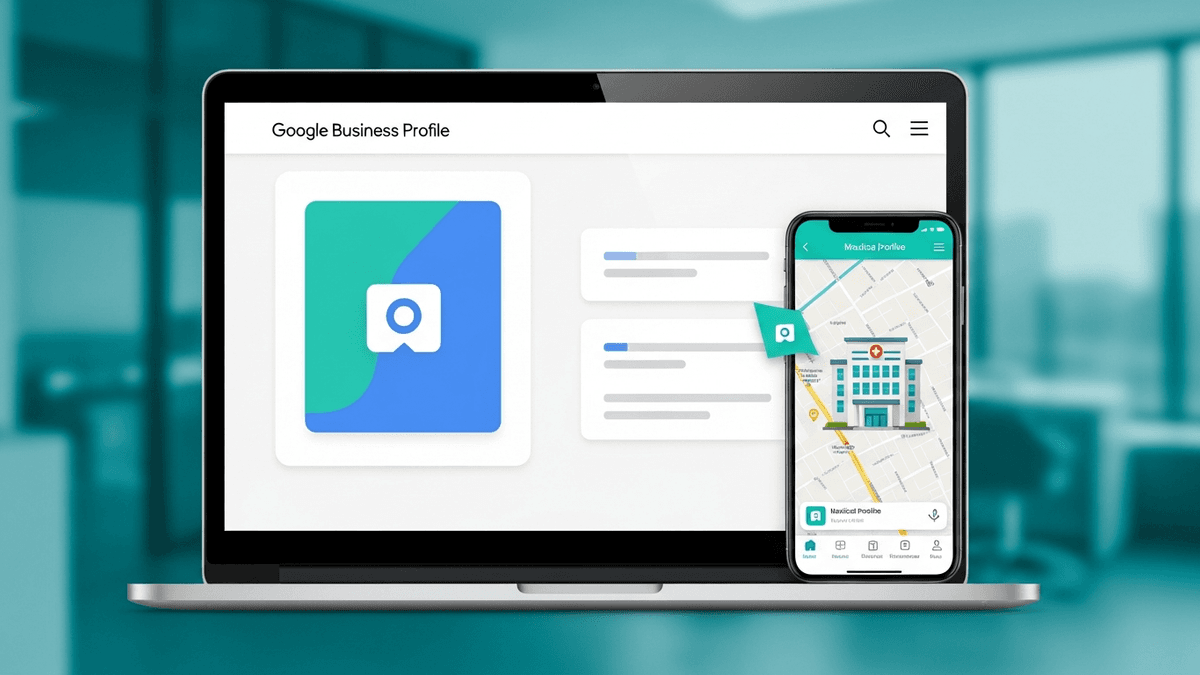
Pick the most specific primary category that still matches how you bill and chart. Fill services in patient language, not internal department codes. Post hours your front desk can defend when someone shows up at 4:58 pm. Holiday closures are not a marketing flex; they are a trust signal.
Official reference: Google publishes verification and business information in their Business Profile Help Center.
Reviews hit the same rating floor whether the tab says directory or map

Stars are not vanity. They are triage for strangers. When a rating drifts under 4.0 stars, online conversion can crater by up to 60%. Fix the chairside experience and the phone tree before you buy more clicks—directory or otherwise.
For how stars change choices in plain language, see how online reviews affect patient choice. The work is boring. So is reconciling vitals before you order a pressor.
Owned site speed and booking still close the visit
Paid search can buy placement short term, but when ads stop, visibility drops. Mature SEO often drags blended cost per acquisition down toward $35 while implant-focused ads can sit closer to $150–$300 on a twelve-month horizon. That is why we like a hybrid, with ad spend paid directly to Google—not folded into an agency line item where nobody can audit the split.
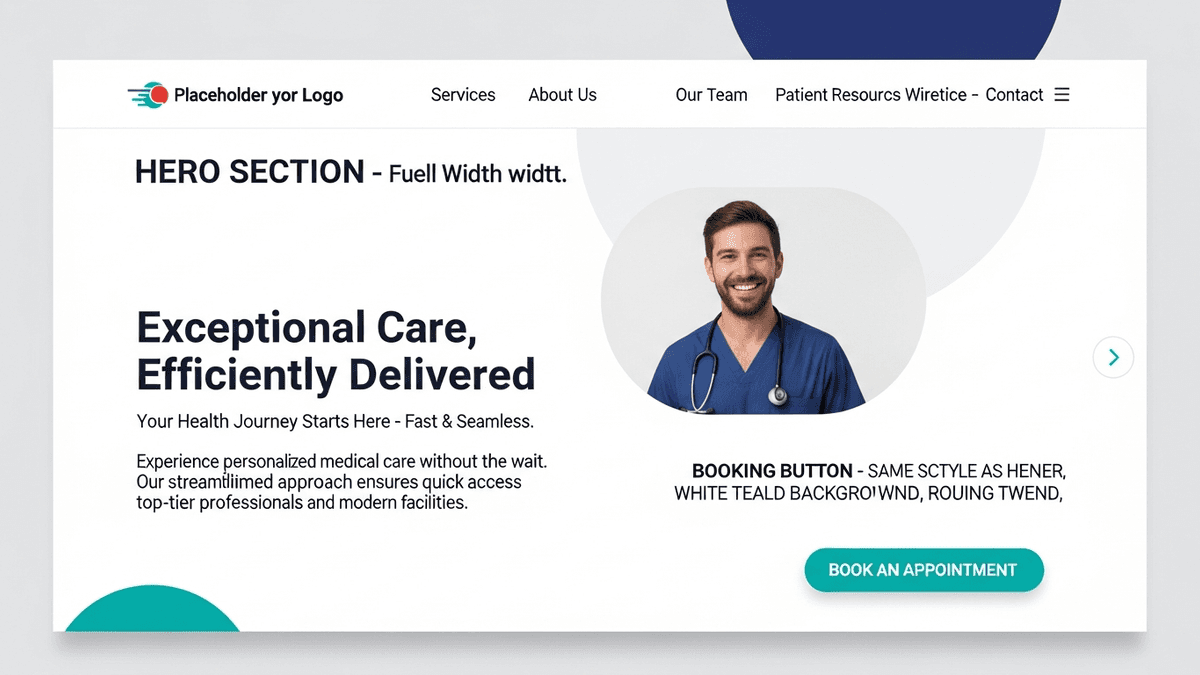
Slow sites still bounce hard. A three-second load can push roughly 40% of visitors away. If you want the build checklist before you pour traffic on top, read the 2026 doctor website checklist for solo providers.
When we want you to do the free triage before another directory SEO retainer

That is the bar. If you have not claimed the profile, merged obvious duplicates, or looked at mobile load time, spend thirty minutes there before you sign anything. Technical fixes should go live on about a 14-day onboarding cadence once work is real—signing a directory package first rarely substitutes for that triage.
We make money when work is real, not when you are guessing in the dark. If you want the process spelled out, read how it works.
Straight answers

Is a Healthgrades alternative just another profile site?
Not if you mean a strategy that does not outsource your entire digital front door to a rented profile. The durable layer is still your Google Business Profile, consistent NAP, and a fast site that can book.
Should we pay for premium directory placement before fixing Google Maps?
Usually no. Fix duplicate pins, wrong hours, and verification first—otherwise directory spend tends to leak budget.
Do doctor reviews and patient reviews need the same hygiene as local SEO?
Yes. Sub-4.0 stars is a danger zone for conversion. Fix operations, then market—same rule on maps or directories.
How does hybrid SEO compare to ads for appointment economics?
Mature SEO often drags blended CPA toward about $35 on a twelve-month horizon while implant-focused ads can sit closer to $150–$300. Hybrid wins for most clinics we run across 412 scaled campaigns.
What breaks first when the website is slow?
Patience. A three-second load can push roughly 40% of visitors away before they ever see your friendly bio photo.
When should we rebuild the site instead of buying more directory SEO?
If the site is five-plus years old and mobile is shaky, rebuild before you pour budget into traffic you will lose to bounce.
How fast can technical fixes go live after we sign?
Expect onboarding and technical fixes on about a 14-day launch cadence from kickoff, then compounding lift over the following quarters.
Google publishes a calm overview of how search fits together in the SEO Starter Guide. Schema.org documents provider types such as Physician when you are ready to wire structured data with a developer who actually reads the spec.
We have been at this since 2016 across 412 clinics with a 92% retention rate because we treat doctors like partners, not billing codes. Ad spend stays on Google's invoice—not buried in ours. Go finish your charting. If the listings layer still looks haunted after the free fixes, book a discovery call on pricing.