

Diagnosis: treat the telehealth website like a pre-procedure timeout, not a brochure appendix.
If you need the broad medical SEO frame first, read increase patient volume with owned digital presence. This page stays in the telehealth website cluster: same intent as telehealth website for doctors and build telehealth practice online searches that mean “make the virtual front door work,” not “buy another stock photo of a stethoscope.”
Virtual visit pages are the first screen, not the footer link
Patients do not dig for “telehealth” in a dropdown menu the way your IT vendor imagines. They land from search, insurance, or a text reminder, and they need a single page that answers: who is seen, what software you use, what to do when the feed drops, and how to start on a phone.
Call that page what people type. If your cluster includes virtual visit pages, mirror the language in the H1 and a plain first paragraph. The algorithm is not your attending, but it does care whether the click matches the promise.
For a wider site audit list, keep the 2026 doctor website checklist open in another tab. It is the same digital triage lens, just not only about video.
Build telehealth practice online with an owned booking path, not a maze
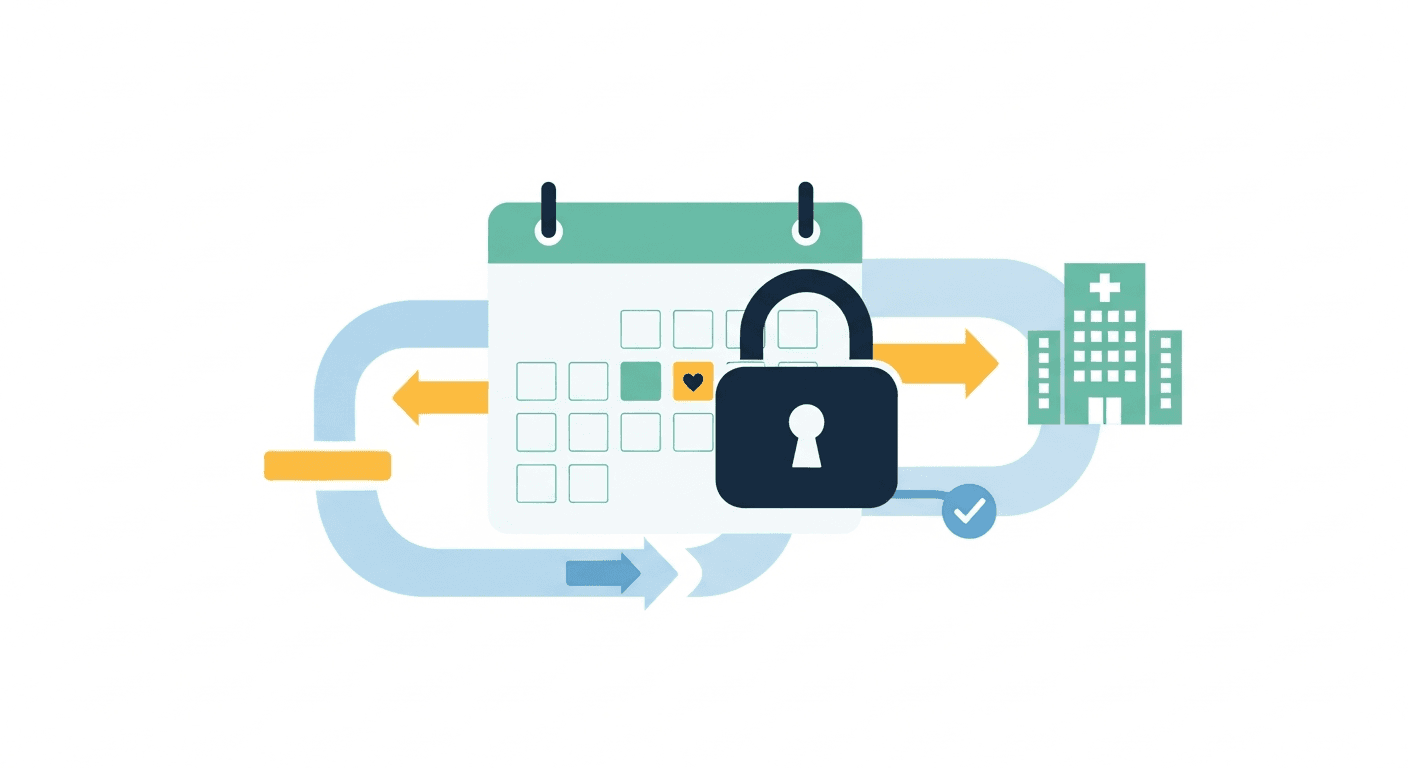
Marketplaces can fill slots. They also rent you the relationship. If you are serious about how to find telehealth patients who stay in your panel, the site has to hand off to scheduling you control, with data you own, and a front desk script that does not sound like it is refilling a printer.
Our hot take from the field: if your EHR or platform cannot hand a modern online booking experience to people under forty, you are not losing patients to “bad marketing.” You are losing them to a clunky phone tree. Fix the pipeline before you fund a retainer.
We have seen the same telemedicine practice setup story: three widgets stacked on a WordPress page, each with a different login, none of which talk to the schedule. That is digital plaque. It narrows the pipe the same way gunk narrows a cath lab until someone finally sweeps the case to the OR.
Telehealth marketing still has to show the math on CPAs
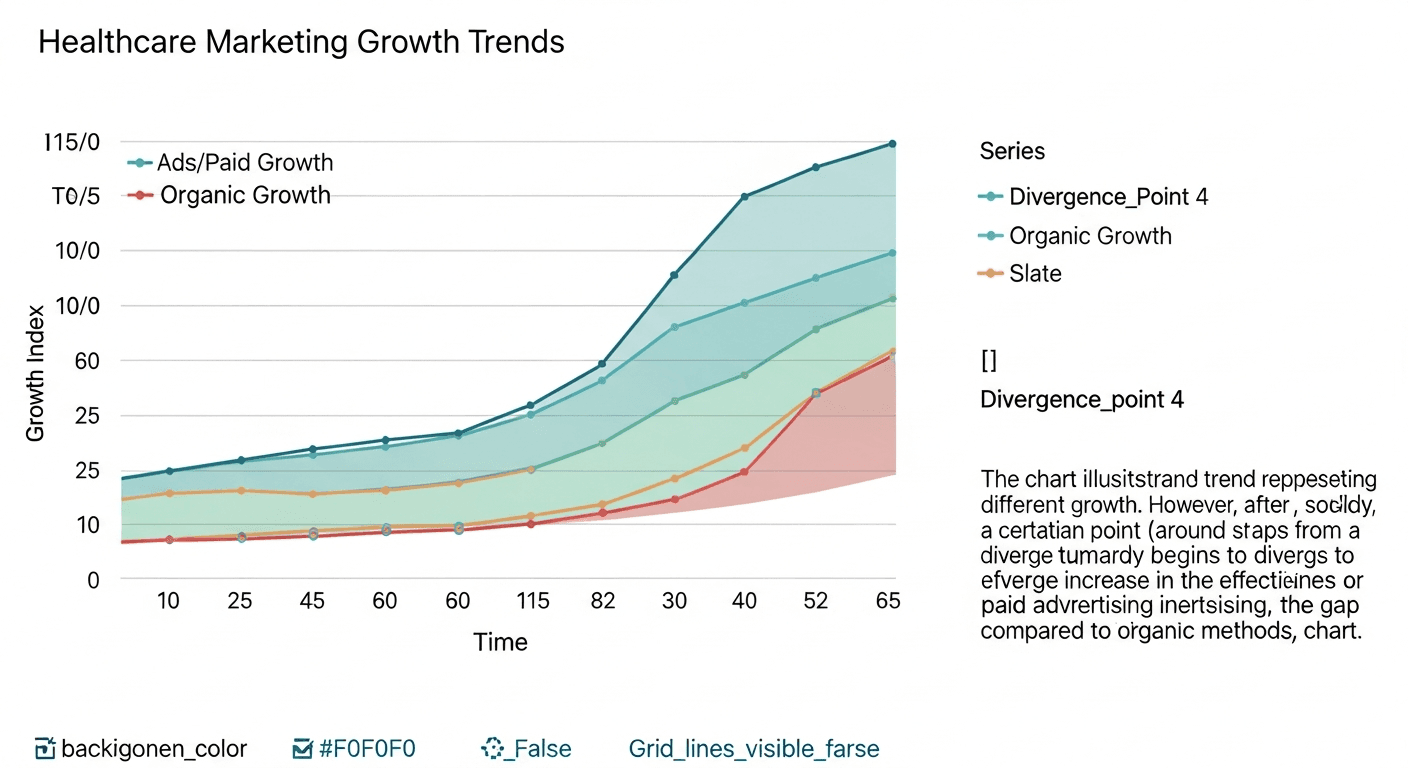
Telehealth marketing is not a separate internet. It is the same honest split: paid search buys tomorrow’s visits, organic work compounds. On a twelve-month horizon, we still see mature SEO drag blended cost per acquisition toward about $35 in categories we run at scale, while single-procedure ad CPAs in competitive markets can sit closer to $150–$300. Your specialty may differ, but the shape of the curve does not.
Ad spend belongs on its own invoice. We keep it out of the agency line item so you can see what the traffic cost versus what the work cost. If someone bundles it, ask what they are skimming.
If you are hybrid, telehealth marketing for doctors should point virtual intent to clean visit pages while local demand still flows through the map layer. We go deep on the map side in local SEO for doctors.
Site speed is still the digital waiting room, video or not

Monday morning, late 2023, a multi-location ortho clinic called because intake broke over the weekend. Not a tragedy novel, just a real panic: patients could not get through, and the telehealth links pointed at an old subdomain. Dev was on it fast because slow digital triage still loses consults the same way a backed-up waiting room does.
Let us look at the math you can feel in reporting: a slow page that crosses about three seconds can waste roughly 40% of visitors before they even open the video client. That is four out of ten people leaving while your MA is green-rooming the next visit.
Google’s public guidance on performance expectations lives in resources like web.dev Web Vitals. Use it when an agency shows you a dashboard full of impressions but empty chairs.
HIPAA, intake, and PHI on your telehealth website
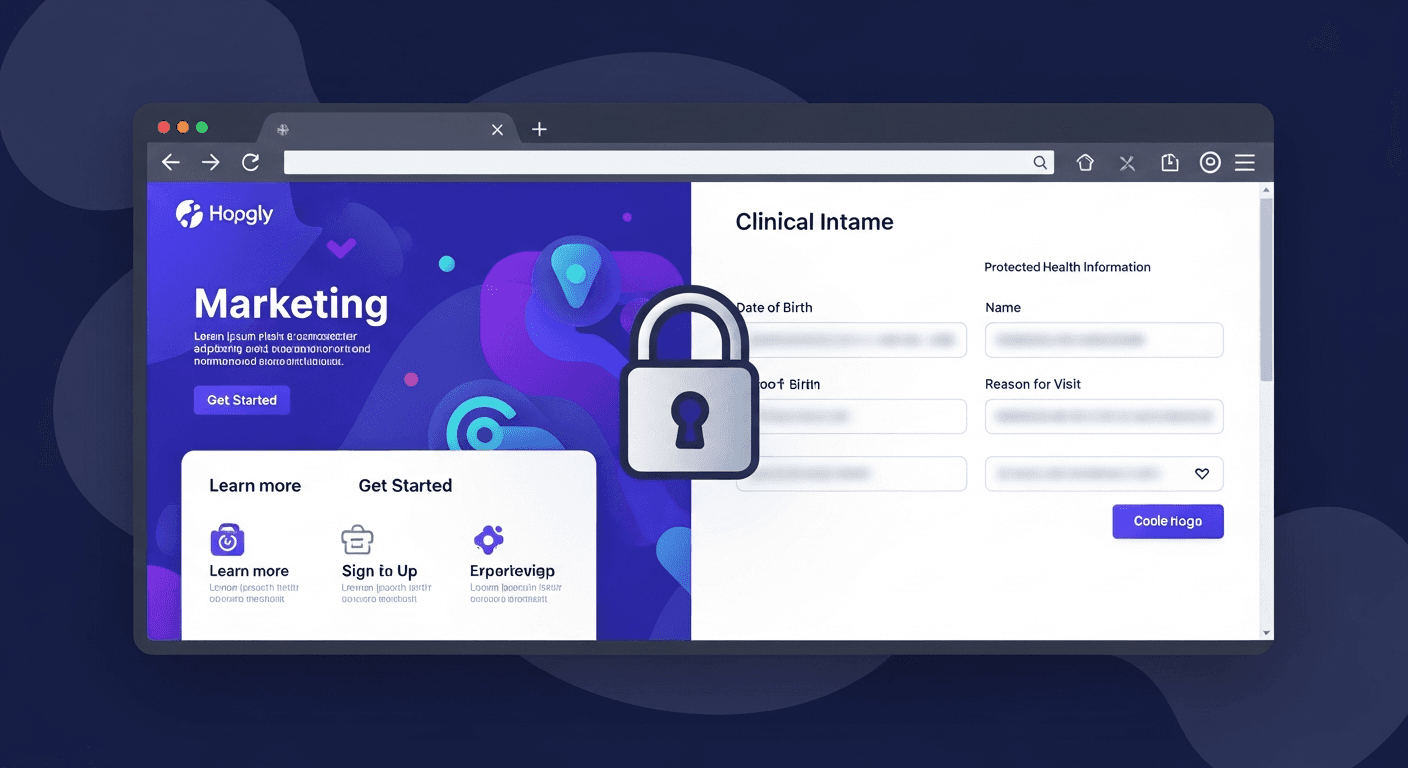
Do not DIY HIPAA plumbing on a lunch break. Hooking a cute contact form to your personal inbox for chief complaints is how clinics become a cautionary tale. Keep marketing forms lightweight. Route clinical intake through the stack your compliance officer actually blessed.
The U.S. Department of Health and Human Services publishes plain-language HIPAA resources for professionals at HHS HIPAA for Professionals. Read before you let a vendor “just embed this iframe.”
Structured data can help clarify entities when it is accurate. See schema.org Physician for the machine-readable basics, then let your legal reviewer argue about what belongs on public pages versus behind login.
When we want you to fix the platform handoff before paying us

A specialized clinic once showed us a competitor quote around $3,000 per month for a bundled package that was mostly a shared template and a thin ad buy. We separated true ad spend from the retainer on paper, rebuilt the funnel for organic, and cut their acquisition cost dramatically. Same lesson here: if your virtual care website builder phase never finished, paying for traffic is decoration.
If your telehealth vendor login still goes to the wrong subdomain, or your front desk has to email PDF instructions for Zoom like it is 2011, finish that surgery before marketing anesthesia. We would rather take your money when the plumbing holds pressure.
Read how it works before you book time. If the basics are not honest yet, we will say so.
Straight answers

What should a telehealth website do first?
Explain virtual visits in patient language, surface scheduling or triage above the fold on mobile, and keep PHI out of marketing forms.
Is telehealth marketing different from local SEO?
Hybrid clinics still need clean map profiles; pure telehealth needs trustworthy visit pages. Same funnel discipline, different front door.
How fast should the site load?
Fast enough that patients are not staring at a white screen while the visit clock ticks. Three seconds is already a crowded waiting room.
Can I use one contact form for everything?
Keep marketing separate from clinical intake. PHI belongs in signed workflows, not the same textarea as “general questions.”
Should I run ads before fixing the site?
Ads amplify what is already there. Fix bounce and booking first, then scale spend so you are not buying abandons.
When is a rebuild justified?
At roughly five-plus years on brittle mobile, or when telehealth still lives in PDFs and screenshots. Rebuild the waiting room before you chase rankings.
When should we skip a retainer?
When you have not fixed obvious booking breaks or hybrid map hygiene. Spend should not ship before triage.
Google still publishes a sober overview of how search fits together in the SEO Starter Guide. Pair it with your HIPAA counsel before you change forms.
We have run campaigns across 412 clinics since 2016 with a 92% retention rate because we tell the truth when the plumbing is leaking. Go finish your charting. If the telehealth website still drops calls after you fix the obvious handoffs, book a discovery call on pricing.